How can churches effectively nurture spiritual growth and develop committed disciples in an ever-changing world? Understanding various discipleship models is crucial for fostering an environment where faith flourishes. By exploring different approaches,ministries can better equip believers to grow into faithful followers,ensuring their growth is both meaningful and impactful.
Understanding the Foundations of Effective Discipleship Models
Exploring effective Discipleship Models
In today’s complex spiritual landscape, effective discipleship is more crucial than ever. Discipleship models help to cultivate an environment where believers can deepen their faith and develop as faithful followers of Christ.Understanding the foundational principles behind these models can transform how ministry leaders engage their congregations and foster spiritual growth.
One of the primary models utilized in ministry discipleship is the life-on-life discipleship model,where spiritual mentors engage in direct,personal relationships with their disciples. This model emphasizes the significance of personal interaction and shared experiences,aligning closely with the way Jesus interacted with His disciples—through teaching,modeling,and personal investment. Through these intimate relationships, disciples not only learn doctrinal truths but also observe the Christian life in practice, promoting holistic growth in a supportive environment.
Another effective approach is the family discipleship model, which recognizes that spiritual growth often begins in the home. Families are encouraged to engage in collective worship, Bible study, and discussions about faith. This model emphasizes the role of parents and guardians as primary disciple-makers, fostering a community where spiritual practices are shared intergenerationally. When churches support families with resources and training, they help cultivate a culture where faith is regularly integrated into daily life, promoting continuity and depth in discipleship efforts.
Additionally, the classroom discipleship model provides structured learning opportunities, such as Bible studies and workshops, that can cater to various spiritual maturity levels within the congregation. While this model may have a more formal approach, it still plays a crucial role in discipleship by providing foundational biblical knowledge. By combining the knowledge gained in these classroom settings with practical application in everyday life, ministry leaders can equip congregants to live out their faith effectively.diversifying the approaches to discipleship allows ministry leaders to address the unique needs of their congregation. By recognizing the strengths of life-on-life, family, and classroom models, churches can create a robust framework for developing faithful followers of christ who are equipped to navigate their spiritual journeys with confidence and purpose.
The Role of Intentional Relationships in Spiritual Growth
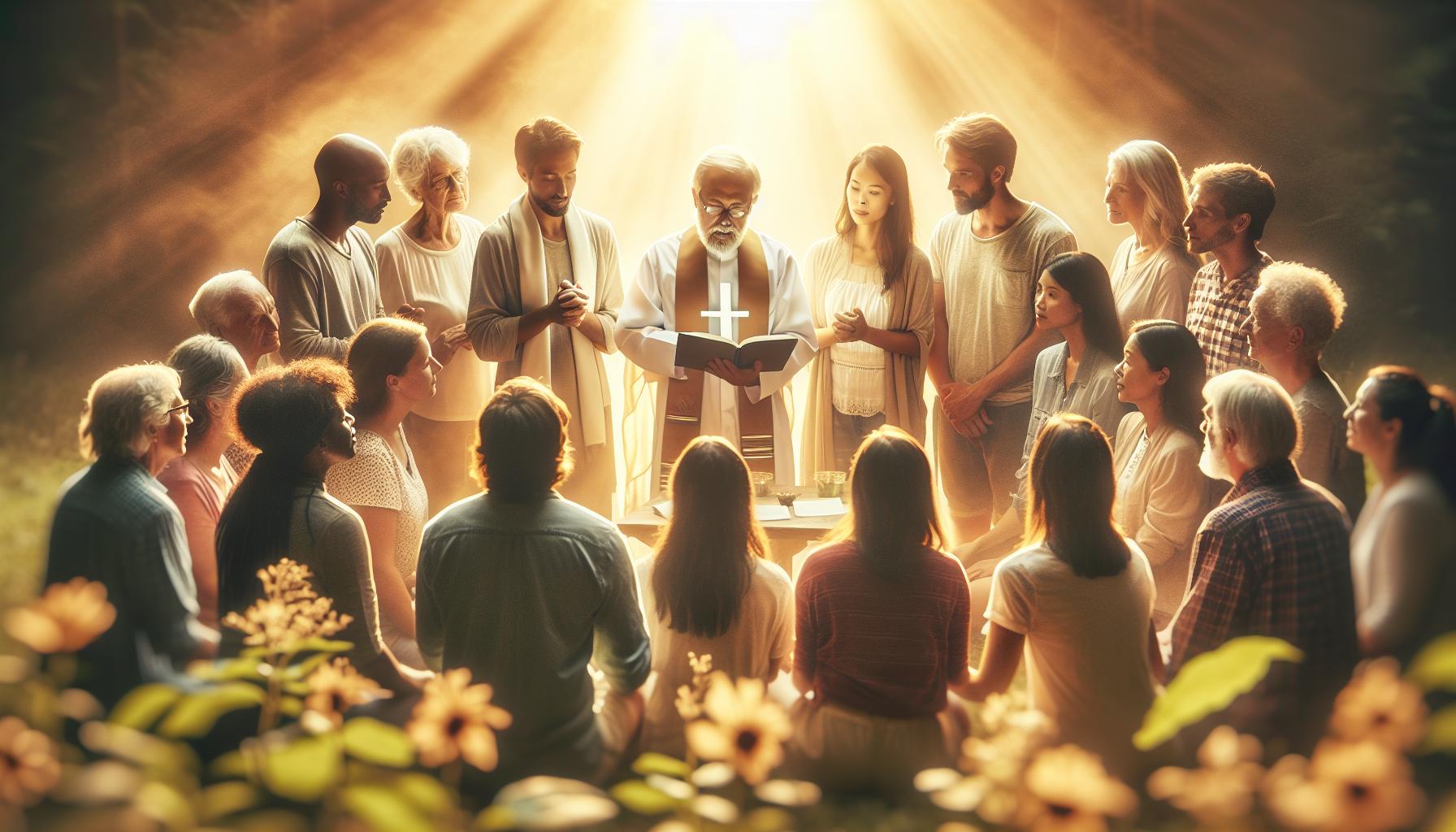
Meaningful connections play a transformative role in our spiritual journeys, acting as catalysts for growth and understanding. In the landscape of ministry discipleship, intentional relationships are not merely beneficial; they are essential for cultivating faithful followers who embody the principles of their faith in daily life. Through engagement in authentic relationships, individuals can explore their spirituality, ask challenging questions, and grow in their understanding of the divine purpose.
Building a Foundation of Trust
Intentional relationships are characterized by mutual respect, open interaction, and a commitment to shared spiritual goals. This foundation fosters a safe environment where disciples can express doubts, discuss experiences, and seek guidance. The following elements contribute to building such relationships:
- Active Listening: Taking the time to truly hear one another allows for deeper connections and understanding.
- Vulnerability: Sharing personal struggles and victories nurtures trust and encourages others to do the same.
- Consistency: Regular engagement ensures accountability and reinforces commitment to spiritual growth.
When someone feels heard and understood,they are more likely to open up about their spiritual journey. As a notable example, a small group meeting focused on Bible study can evolve into a profound sharing of life experiences, leading to powerful revelations about faith and purpose.
Nurturing Growth Through Accountability
Intentional relationships serve as a framework for accountability, encouraging individuals to take practical steps in their spiritual paths. By establishing partnerships, disciples can motivate one another, share resources, and pray collectively. This kind of supportive system is fundamental in a ministry discipleship model where the goal is to grow faithful followers of Christ.
| Accountability Strategies | Examples of Implementation |
|---|---|
| Regular Check-Ins | Schedule bi-weekly meetings or phone calls to discuss spiritual progress and challenges. |
| Shared Reading Plans | Select a book or scripture passage to read and reflect on collectively. |
| Prayer Partners | Pair up to pray for each other’s intentions and spiritual growth goals. |
Through these strategies, relationships become dynamic tools for growth, propelling followers toward a deeper understanding of their faith and GodS will for their lives.In the journey of ministry discipleship, creating intentionally nurturing relationships can significantly enhance spiritual growth. By not only sharing the same beliefs but also actively participating in each other’s advancement, disciples become equipped to face life’s challenges with confidence and grace, truly embodying their roles as faithful followers.
Practical Strategies for Nurturing Faithful Followers

Creating a culture of Discipleship
To cultivate a vibrant community of faithful followers, it’s essential to establish a culture where discipleship is prioritized. This begins by integrating discipleship within the fabric of the church life. Encourage small groups where members can share their journeys, ask challenging questions, and hold each other accountable. This peer support not only fosters deeper relationships but also enhances spiritual growth through collective experiences.
- Regular Meetings: Schedule consistent gatherings for Bible study and prayer,fostering a sense of rhythm and dedication.
- Mentorship Programs: Pair newer believers with mature Christians to guide them in their faith walks, ensuring personalized support.
- Community Service: Engage in outreach projects that encourage followers to live out their faith practically and collaboratively.
Utilizing Resources for Growth
Leverage the wealth of resources available in today’s digital age to enhance your discipleship model. Websites such as Discipleship ministries provide rich materials that can be employed in various church contexts. Core Discipleship offers free resources dedicated to equipping believers with the tools necessary for effective discipleship.
| Resource | Benefit | Implementation |
|---|---|---|
| Discipleship Ministries | Comprehensive training and materials | Incorporate into sermon series and small groups |
| Core Discipleship | Free, proven discipleship resources | Access training sessions and workshops for members |
Encouraging Active Participation
Fostering active participation is vital in nurturing a community of faithful followers. Provide various opportunities for church members to engage in discipleship activities, whether through service projects, Bible studies, or mentoring. Allow congregants to take ownership of their discipleship journey by encouraging them to lead discussions or initiate outreach missions.
In addition to organizational activities, promote personal discipleship habits, such as daily Bible reading and prayerful reflection. Equip members with journals or online platforms where they can document their thoughts and prayers, creating a personal space for spiritual growth. By intertwining various modes of engagement—both communal and personal—churches can aid individuals in becoming devoted disciples who not only grow in their faith but also inspire others to do the same.
Embracing Diversity in Ministry Discipleship approaches

In a world increasingly marked by cultural interchange and social diversity, churches are presented with a unique opportunity to enrich their ministry discipleship approaches. Varied backgrounds, experiences, and perspectives can not only deepen faith but also enhance the community aspect of discipleship. Embracing diversity in ministry discipleship is not merely a trend; rather, it’s a transformative practice that allows for more holistic spiritual growth.
the Power of Inclusivity
When churches commit to incorporating diverse voices and practices into their discipleship models, they create a vibrant tapestry of faith expression. This inclusivity enables every member to see themselves reflected in their spiritual community, fostering a sense of belonging and acceptance. Here are several advantages of embracing diversity in ministry discipleship:
- Enhanced Learning: Exposure to different perspectives can lead to deeper theological understanding and richer discussions.
- Community Building: Diverse groups foster a spirit of cooperation and understanding, creating a supportive environment where all members feel valued.
- Broader Outreach: Ministries that reflect and resonate with a variety of cultural backgrounds can be more effective in outreach, as they can connect with a wider audience.
- Innovative Approaches: Diverse teams frequently enough bring varied skills and ideas,leading to creative solutions and improved ministry practices.
Practical Steps for Implementation
Integrating diversity within ministry discipleship requires intentionality and action. Here are actionable steps for churches looking to enhance their discipleship models:
| Step | Description |
|---|---|
| Assess Current Practices | Evaluate your existing discipleship methods to identify areas where diversity is lacking and coudl be incorporated. |
| Create Inclusive Materials | Develop study guides, discussion questions, and resources that incorporate diverse theological perspectives and cultural contexts. |
| Engage Diverse Leaders | invite leaders from different backgrounds to share their experiences and insights in teaching and leading discipleship groups. |
| Promote Intercultural Events | Organize events that celebrate various cultures, encouraging fellowship and understanding among congregants. |
incorporating these strategies into ministry discipleship, particularly within the context of “Ministry Discipleship: Ministry Discipleship Models—Grow Faithful Followers,” can yield profound benefits not only for individual growth but also for the health of the church community.As congregants learn from one another and share their diverse experiences, they cultivate an environment ripe for spiritual growth, making their journey of faith both impactful and inclusive.
enhancing Community Engagement Through Discipleship
Empowering communities Through Discipleship
In a world increasingly driven by the need for connection, discipleship can serve as a powerful vehicle for enhancing community engagement. When individuals commit to the principles of Ministry Discipleship, they not only cultivate their own spiritual growth but also inspire and empower their surrounding communities. This synergistic relationship fosters a spirit of collaboration, where each member actively participates in the well-being and development of others, reaffirming the intrinsic value of each individual within the group.
Building Relationships for Lasting Change
Effective community engagement rooted in discipleship involves establishing meaningful relationships. This can be achieved through structured ministry models that promote inclusivity and active participation. For instance,small groups can be organized around common interests or needs,such as food security or family support services. These groups provide platforms for individuals to share their experiences, learn from one another, and collaboratively address local challenges. To facilitate this process, consider the following actionable steps:
- Identify community needs through surveys or informal gatherings.
- Organize discipleship groups focused on relevant issues.
- Encourage open discussions and collaborative problem-solving.
- Connect with local organizations to enhance support and resources.
Creating a Culture of Service
A significant aspect of Ministry discipleship is nurturing a culture of service within communities. When disciples are encouraged to extend their service beyond the walls of the church or ministry, they contribute to the broader community. This outreach not only strengthens social ties but also showcases the church’s commitment to holistic ministry. practical examples include organizing community service days where congregants volunteer at local shelters or engage in neighborhood clean-ups. Such initiatives not only benefit the community but also instill a sense of ownership and pride among members.
| Potential Service Projects | Community Impact |
|---|---|
| Food drives | Addresses food insecurity |
| tutoring programs | Supports local youth education |
| Health fairs | Improves public health awareness |
By instilling these values and practices through Ministry Discipleship, communities can experience profound, sustained engagement. Each individual’s contribution—whether through time, talents, or resources—plays a crucial role in manifesting a supportive and thriving environment for all, reaffirming the importance of collective effort in pursuing community goals.
Overcoming Challenges in Developing Discipleship Programs
Many churches and organizations face significant obstacles when developing effective discipleship programs. These challenges often include a lack of resources, differing expectations from church members, and varied levels of spiritual maturity among participants. However, by identifying these hurdles early and strategizing around them, ministry leaders can create dynamic discipleship models that truly foster growth and deepen faith.
Identifying Common Challenges
Understanding the specific barriers to effective ministry discipleship is crucial for finding solutions. Here are some prevalent issues:
- Resource Limitations: Financial constraints and limited staffing can hinder the implementation of comprehensive discipleship programs.
- One-Size-Fits-All Approach: A lack of tailored strategies can alienate members at different stages of their faith journey.
- Engagement and Commitment: Achieving consistent participation in discipleship activities can be daunting, especially in a culture of busyness.
- Measurement of Effectiveness: Difficulty in assessing spiritual growth and program impact can lead to uncertainty and discouragement.
Strategies to Overcome Discipleship Program Challenges
To combat the challenges listed above, consider implementing the following strategies:
- Resource Sharing: Collaborate with other ministries or local churches to pool resources and expertise, maximizing the impact of your discipleship efforts.
- Customizable Programs: Develop different pathways for participants—such as beginners, intermediates, and advanced learners—to ensure that everyone has access to appropriate resources.
- Flexible Scheduling: Offer various meeting times and formats (in-person, online, hybrid) to accommodate different lifestyles and commitments.
- Regular Feedback Loops: Incorporate surveys and personal check-ins to gauge participant satisfaction and adjust programs accordingly.
Real-World Examples
Churches that have successfully navigated these challenges often share a few common practices:
| Church | Challenge Overcome | Discipleship Model |
|---|---|---|
| Grace Community Church | Limited Resources | Networked Discipleship Groups |
| Faith Connection | One-Size-Fits-All | customized Learning Paths |
| Unity in Christ | Engagement Issues | Flexible Format Classes |
By thoughtfully addressing the multifaceted challenges of developing ministry discipleship programs, churches can empower faithful followers to grow in their faith journeys effectively.Recognizing these barriers is the first step toward creating lasting impact in the lives of participants.
Integrating Scripture and Prayer in daily Discipleship Practices
Embracing the Power of Scripture and Prayer in Daily Life
Integrating Scripture and prayer into daily discipleship practices can profoundly transform how believers live out their faith. When individuals are steeped in the Word of God, they are better equipped to navigate life’s challenges and triumphs. A robust prayer life coupled with regular engagement with Scripture invites spiritual growth and deeper connections with God. According to Philippians 4:6-7, we are encouraged to let our requests be made known to God through prayer, which fosters a sense of peace amidst anxiety [[1]].
Practical Steps to Integrate Scripture and Prayer
To knit together Scripture and prayer effectively, consider the following actionable steps:
- Daily Devotional Time: Set aside a specific time each day for Scripture reading and prayer. This can be in the morning to set a positive tone for the day or in the evening for reflection.
- Scripture Memorization: Memorize verses that resonate with your life circumstances. This allows for easier integration of God’s Word into your daily thoughts and prayers.
- Journaling: Keep a journal to write down prayers and insights gained from Scripture. Reflecting on these can provide clarity and encouragement.
- Community Involvement: engage with a discipleship group or Bible study where you can share prayers and insights with others,enhancing collective growth.
Examples of Scripture-Prayer Integration
Consider using specific Scripture passages as prompts for prayer. For example, after reading 1 Thessalonians 5:16-18, which encourages believers to “rejoice always, pray continually, give thanks in all circumstances,” take time to reflect on areas in your life where you can express gratitude. Such practices reinforce the themes of gratitude and persistence in prayer,vital components of ministry discipleship models.
| Scripture | Prayer Focus |
|---|---|
| Philippians 4:6-7 | Peace of mind in stressful situations. |
| 1 Thessalonians 5:16-18 | Gratitude in all aspects of life. |
| James 5:16 | Power of prayers among community. |
By incorporating these strategies into daily life, believers can cultivate a deeper relationship with God, thereby exemplifying the foundation of Ministry Discipleship: Ministry Discipleship Models—Grow Faithful Followers. As individuals commit to these practices, they not only grow in their personal faith but also inspire others to pursue their spiritual journeys with vigor.
Celebrating the Journey: Stories of Transformative Discipleship
Transformational Journeys in Discipleship
Every follower of Christ has a unique journey, frequently enough marked by moments of profound change brought about through effective ministry discipleship models. These models create vibrant communities where individuals not only learn but also experience life-changing growth. Whether through life-on-life interactions, family-centered gatherings, or more structured classroom settings, the stories of those who engage in these discipleship practices illustrate the power of intentional relationships.
- Life-on-Life Discipleship: This model emphasizes personal relationships where more mature believers come alongside newer disciples. One striking story is of a young man named David, who, through consistent mentoring, found the courage to confront his doubts and ultimately deepen his faith. His mentor’s patience and love provided a blueprint for David’s own journey of mentoring others.
- Family Discipleship: Engaging entire families in the discipleship process fosters an environment of spiritual growth that reflects biblical values in daily life.the Johnson family, for instance, transformed their home into a place of learning and worship. Sharing stories around the dinner table and praying together not only strengthened their bonds but also impacted their community as they reached out to neighbors with kindness and service.
- Classroom Discipleship: This model provides structured learning but can also evolve into transformational experiences.For example, a series of classes on the teachings of Jesus led a group of participants to embark on mission trips, where they grew together in faith and service, forming enduring relationships that extended beyond the classroom walls.
Real-Life Examples of Discipleship Outcomes
The effectiveness of ministry discipleship models can be measured not only in numbers but also in the depth of relationships formed and the lasting impacts on individuals’ lives. Below is a table highlighting various discipleship outcomes observed across different ministry settings:
| Discipleship model | Key Outcome | Testimonial |
|---|---|---|
| Life-on-Life | Personal Mentorship | “I found hope and purpose through my mentor’s guidance.” – Sarah |
| Family Discipleship | Community Impact | “Our family’s faith journey has changed our neighborhood.” – The Johnsons |
| Classroom Discipleship | Practical Application | “The class inspired me to serve others in my community.” – Mark |
These narratives confirm that ministry discipleship models not only grow faithful followers but also foster transformative relationships within and beyond the church. Each story serves as a powerful reminder of the impact that intentional, relational, and educational approaches to discipleship can have on individuals and communities alike. As ministries embrace diverse models, they create pathways for deeper connections and lasting change, showcasing the beauty of the discipleship journey.
Frequently Asked Questions
What is Ministry Discipleship: Ministry Discipleship Models—Grow Faithful Followers?
Ministry Discipleship refers to intentional processes within Christian ministry aimed at cultivating growth and maturity in believers. The models emphasize how to nurture *faithful followers* through various approaches, promoting deeper relationships with God and one another.
Understanding Ministry Discipleship Models helps churches effectively strategize for spiritual growth. By applying these models, ministries can create pathways for individuals to become *disciples* who actively follow Christ, serving their community and fulfilling the Great Commission.
How can I implement Ministry Discipleship models in my church?
To implement Ministry Discipleship models, start by evaluating your current discipleship strategies. Incorporate *small groups*, mentorship programs, and curriculum designed for spiritual growth to help nurture committed followers.
Using a model like *Relational Discipleship* involves engaging members in personal relationships, while *Programmatic Discipleship* focuses on structured learning environments. Each model can be tailored to fit your church’s unique context, ultimately helping members grow in faith.
Why does Ministry Discipleship matter?
Ministry Discipleship is vital as it creates a foundation for spiritual growth and community engagement within the church. It emphasizes supportive environments where believers can flourish in their faith.
When churches prioritize discipleship, they effectively cultivate an *environment of growth* that not only nurtures individuals but also strengthens the entire congregation. The result is a united body of believers committed to loving god and serving others.
Can I adapt existing programs for Ministry Discipleship?
Yes, adapting existing programs for ministry Discipleship is both possible and often necessary. Assess your current programs and identify areas where *discipleship* elements can be incorporated.
For instance, if you have a Sunday school program, consider integrating *mentorship opportunities* or *Bible study* that focuses on application.By doing this, you can align existing resources with discipleship goals and foster effective spiritual growth.
What are some effective discipleship models?
Some effective discipleship models include *Relational Discipleship*, *Group discipleship*, and *One-on-One Mentorship*. Each model emphasizes different aspects of nurturing faithful followers.
Relational discipleship focuses on building relationships amongst members, while Group Discipleship provides a communal learning experience. Each model can help foster a sense of belonging and identify pathways for personal and communal growth in faith.
How do I measure the effectiveness of discipleship models?
You can measure the effectiveness of discipleship models by assessing both participant engagement and spiritual growth outcomes. Regular surveys and feedback can help understand the impact.
In addition, tracking *spiritual development metrics*, like attendance in programs and changes in personal practices (e.g.,prayer and Bible reading),can be beneficial. Encouraging feedback can also provide insight into individual experiences, guiding necessary adjustments to your ministries.
Why is personal involvement vital in Ministry Discipleship?
Personal involvement is crucial in Ministry Discipleship because relationships foster growth.Individuals are more likely to engage when they feel connected and supported by mentors or peers.
Being involved also allows leaders and participants to share *life experiences*, which can deepen understanding and create accountability. As an inevitable result, personal investments will create a vibrant and dynamic faith community.
In Retrospect
effective ministry discipleship models are essential for cultivating faithful followers of Christ. These models emphasize the importance of intentional relationships, biblical teaching, and practical application of faith in daily life. by fostering environments where believers can grow spiritually and engage with one another, churches can better fulfill the Great Commission and support their congregants in their spiritual journeys.
Recognizing the challenges that come with discipleship is vital; though, this journey offers immense rewards, including a deeper connection to God and a more profound sense of community. We encourage you to explore the various resources available, such as Core Discipleship’s free training tools and practical guides for establishing discipleship ministries. as you embark on this path, remember that each step takes you closer to nurturing a vibrant faith that not only transforms lives but ultimately glorifies God. Embrace the journey and keep seeking opportunities to grow and disciple others in your community.