Are your ministry lessons falling flat, leaving learners disengaged and uninspired? Effective ministry teaching is crucial for fostering spiritual growth and community connection. This article shares essential tips to engage and equip your audience, transforming your approach into an interactive and impactful experience that nurtures faith and understanding.
Understanding the heart of Ministry Teaching
The essence of effective ministry teaching goes beyond merely imparting knowledge; it involves engaging hearts and transforming lives. Successful ministry educators understand that teaching is a relational and spiritual endeavor, requiring a deep connection with their learners. Just as jesus modeled teaching through parables and personal engagement, modern educators can follow suit by adopting strategies that not only inform but also inspire and empower those they teach.
Building Relationships
At the core of ministry teaching is the cultivation of meaningful relationships. Here are a few practical approaches:
- Active Listening: Create an environment where learners feel heard and valued. Engage in conversations, ask probing questions, and show genuine interest in their life experiences.
- Personal Storytelling: Share your own journey and experiences,and also those of others,to make lessons relatable and resonate on a personal level.
- Mentoring: Develop one-on-one relationships with learners where you can provide guidance and support tailored to their specific spiritual journeys.
Thes strategies not only foster trust but also encourage active participation and openness during teaching sessions.
Equipping Through Practical Submission
Another vital component of ministry teaching involves equipping learners with practical tools and insights they can apply in their daily lives. This can include:
- Interactive Workshops: Host regular workshops where learners can practice new skills in a safe environment, such as prayer techniques or community service initiatives.
- Resource Sharing: Provide access to books, articles, and online courses that offer deeper studies of the subjects being taught.
- Service Projects: Encourage participation in local outreach programs, allowing learners to put their faith into action through direct engagement with the community.
Each of these approaches not only enriches the learning experience but also reinforces the application of biblical principles within everyday contexts, enabling learners to integrate faith into their life practices.
Feedback and Growth
a culture of feedback is essential for both teachers and learners to flourish.One effective method to implement this is through ongoing assessments that help in identifying areas for advancement and growth. Consider using a simple table to track progress and feedback:
| Feedback Aspect | Strengths | Areas for Improvement |
|---|---|---|
| Engagement Techniques | Interactive discussions | Increase use of multimedia |
| Practical Application | service projects | More structured follow-up |
| Personal Connection | Open-door policy | Regular check-ins |
Encouraging feedback not only empowers learners to express their thoughts but also emphasizes a shared commitment to growth and learning. By understanding and implementing these principles,ministry educators can significantly enhance their teaching effectiveness,fostering an environment that truly engages and equips learners for their spiritual journeys.
Building Relationships: The Foundation of Effective Learning

Building strong relationships in ministry education is crucial for fostering an environment conducive to effective learning. Establishing trust and respect not only enhances dialog but also deepens engagement among learners. When individuals feel valued, they are more likely to participate actively and absorb the teachings presented.This relational foundation can transform a customary educational framework into a vibrant community of learners eager to grow both personally and spiritually.
Strategies for Building Relationships
To initiate and sustain meaningful connections within ministry teaching, consider implementing the following strategies:
- Active Listening: Show genuine interest in learners’ thoughts and feelings. This can be achieved through open dialogues and reflective questioning that encourage participants to express themselves freely.
- Personalized Engagement: Tailor your approach to meet the individual needs of your learners. Understanding diverse backgrounds and perspectives can help in creating a more inclusive atmosphere.
- Regular Check-ins: Schedule informal meetings or discussions to touch base on learners’ progress and challenges. This reinforces your support and commitment to their growth.
- Encourage Collaboration: Foster team activities that allow learners to work together on projects or discussions. This builds camaraderie and a sense of belonging among participants.
Creating an inviting space where learners feel safe to share their experiences and insights is essential. As they engage in ministry learning together, they develop relationships that extend beyond the classroom. Such connections are instrumental in facilitating deeper discussions and promoting a richer understanding of the material.
Measuring the Impact of Relationship Building
Evaluating the outcomes of relationship-building efforts can also aid in refining your approach. Consider using a simple feedback mechanism,such as a survey,to gauge learner satisfaction and perceived connection levels. Below is an illustrative example of how you might structure feedback:
| Feedback Criterion | Rating Scale (1-5) |
|---|---|
| Feeling of Inclusiveness | |
| Openness of Communication | |
| Support from Peers and Instructors | |
| Willingness to Share Ideas |
Through active relationship building and regular assessment, educators can equip learners not just with knowledge, but with a strong community framework that supports ongoing growth, embodying the spirit of the “Ministry Teaching: Ministry Teaching Tips—Engage and Equip Learners” philosophy.
crafting Engaging Lessons That Inspire and Transform
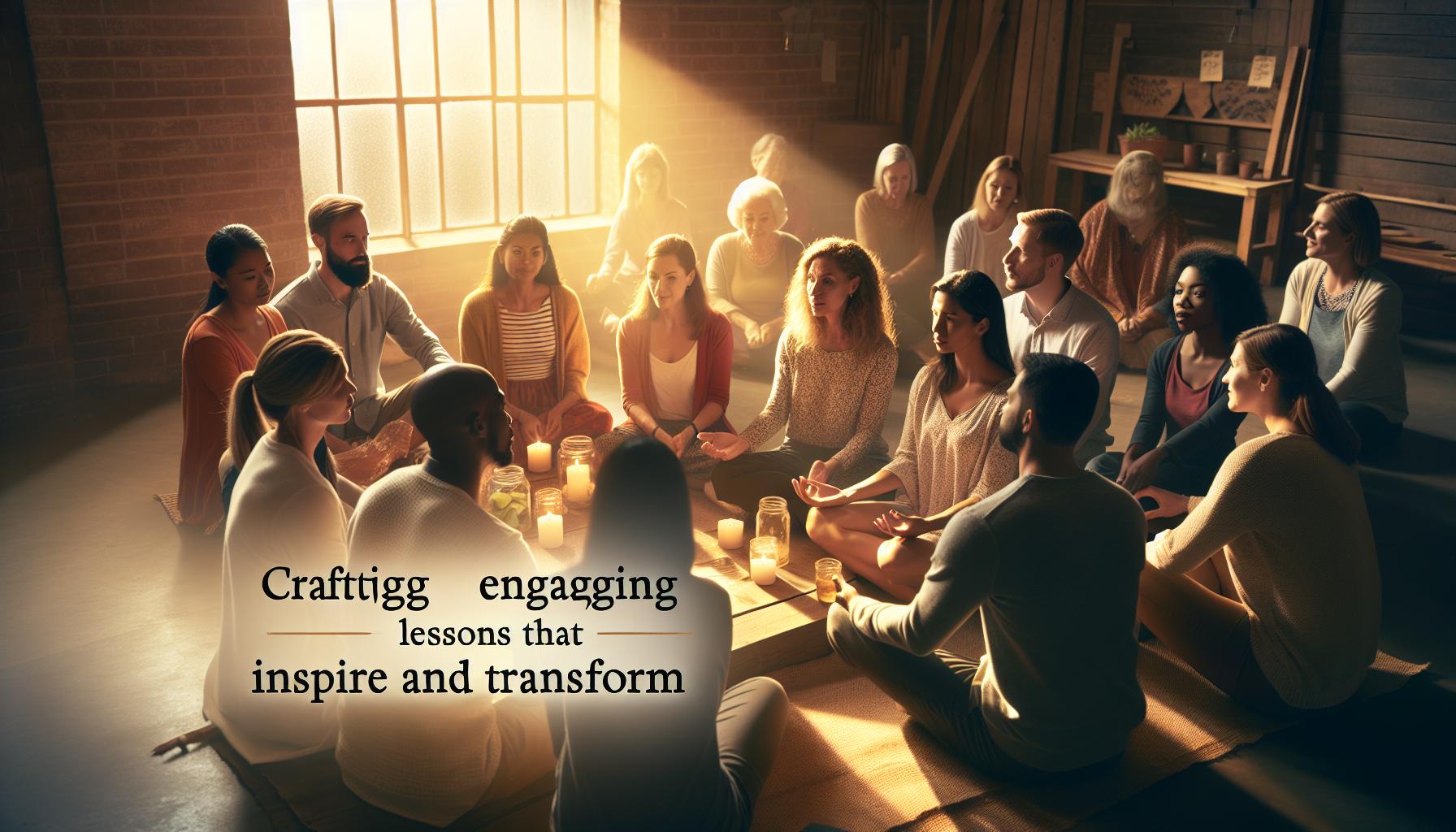
did you know that effective teaching methods can ignite a passion for learning that resonates far beyond the classroom? In ministry teaching, engaging lessons are crucial not just for imparting knowledge, but also for inspiring learners to apply their understanding in real-world contexts. By crafting lessons that resonate with students’ lives and experiences, educators can create transformative moments that encourage personal and spiritual growth.
Building Connection Through Relevance
One of the core strategies in ministry teaching is ensuring that lessons are relevant to the learners’ lives. When students see the connection between biblical teachings and their daily experiences, their engagement levels soar. Here are some practical steps to enhance relevance:
- Use Real-Life examples: Integrate stories that learners can connect with, whether they’re current events or personal testimonies that align with the lesson’s theme.
- Encourage Personal Reflection: Design activities that prompt students to reflect on their own experiences considering scriptural teachings. This can deepen their understanding.
- Include Interactive Discussions: Facilitate open dialogues about current cultural issues and how they relate to faith, allowing for diverse perspectives and deeper engagement.
Incorporating Diverse Learning Styles
Every learner absorbs information differently. In ministry teaching, recognizing and accommodating different learning styles also enhances credibility and engagement. Consider incorporating a variety of teaching methods:
- visual Aids: Use images, videos, and infographics to present information visually, catering to visual learners.
- Auditory Engagement: Incorporate music, spoken word, or discussions for learners who benefit from listening.
- Kinesthetic Activities: Create activities that require movement or hands-on tasks to engage learners who learn best through doing.
Feedback and Adaptation
Another essential element of engaging ministry teaching is the cycle of feedback and continuous improvement. Creating a feedback mechanism allows learners to express what works for them and what doesn’t. This not only improves lessons but also empowers learners to take ownership of their education.
| Feedback Method | Purpose |
|---|---|
| Surveys | Gather insights on lesson effectiveness and areas of improvement. |
| Reflection Journals | Encourage students to document their thoughts and feelings about lessons. |
| Informal Check-ins | Create a safe space for learners to express their thoughts during or after lessons. |
the essence of ministry teaching lies in its ability to make lessons engaging and transformative. By connecting relevance to real-life experiences, catering to diverse learning styles, and fostering an environment where feedback is welcomed, educators will not only engage their learners but also equip them for meaningful participation in their faith journeys.
Equipping Learners: Practical tools and Resources
In today’s fast-paced world, educators and ministry leaders strive to create environments that not only impart knowledge but also foster engagement among learners. The importance of equipping learners with the right tools and resources cannot be overstated. in ministry teaching, leveraging a variety of practical tools can significantly enhance the learning experience, making it more interactive and impactful.
Interactive Learning Tools
Utilizing technology and interactive resources can transform lessons into engaging experiences. Here are some valuable tools to consider:
- Presentation Software: Tools like Prezi or Canva allow for dynamic and visually appealing presentations that keep learners engaged.
- Polling and Feedback Apps: Platforms such as Mentimeter or Poll Everywhere enable instant feedback and foster participation, making learners feel valued and involved.
- Digital Collaboration: Tools like Google Classroom or Padlet facilitate group discussions and brainstorming sessions, encouraging a communal approach to learning.
Resourceful Materials
Incorporating a variety of materials can cater to different learning styles and enhance the depth of ministry topics.Below is a simple guide to various resources:
| Resource Type | Examples | Purpose |
|---|---|---|
| Books | “The Purpose Driven Life,” “Crazy Love” | Deepen theological understanding and personal reflection |
| Videos | Documentaries,Sermons | Visual learning and storytelling |
| Podcasts | “The Bible for Normal People” | On-the-go learning and diverse perspectives |
Activity-Based Learning
Incorporating activities that align with your ministry teaching not only makes the learning process enjoyable but also reinforces retention. Consider the following strategies:
- Role-Playing: Create scenarios for learners to act out biblical events, enhancing empathy and understanding.
- group Projects: Encourage learners to collaborate on community service or outreach projects that underpin the teachings.
- Creative Arts: Incorporate music, art, or drama to express learnings in option forms, catering to a range of talents.
By integrating these practical tools and resources into your ministry teaching, you can create an engaging, equipped, and empowered learning environment that resonates with your audience. Emphasizing diverse methods and materials allows for a extensive approach to understanding and applying ministry teachings effectively.
Embracing Diversity in Learning Styles and Needs
In today’s diverse learning environments, understanding and addressing the myriad of learning styles and needs can significantly enhance the effectiveness of ministry teaching. Engaging learners means recognizing that each individual brings a unique background, viewpoint, and approach to absorbing information. By embracing this diversity, ministry educators can create a more inclusive and effective teaching atmosphere.
Understanding Different Learning styles
Recognizing that learners absorb information in various ways is crucial. the primary learning styles include:
- Visual Learners: Those who learn best through images, diagrams, and charts.
- Auditory Learners: Learners who grasp concepts better through listening to discussions, lectures, and audio materials.
- Kinesthetic Learners: Individuals who thrive on hands-on experience and physical engagement.
- Reading/Writing Learners: Those who prefer to learn through reading texts and writing notes.
Incorporating these styles into ministry teaching can involve using a mix of multimedia presentations, group discussions, role-playing activities, and written materials. For instance, integrating a short video about a biblical concept can appeal to visual learners, while facilitating a group discussion can cater to auditory learners.
Adapting to Individual Needs
Equally crucial is the adaptation to individual needs, which may include varying levels of comprehension, language barriers, or learning disabilities. An effective teaching strategy involves:
- Differentiated Instruction: Tailoring lessons to accommodate different abilities within the same classroom. This could mean providing additional resources or modifying assignments.
- Collaborative Learning: Encouraging peer support where learners can help each other, leveraging the strength of diverse skill sets.
- formative Assessment: Regularly evaluating understanding through quizzes or informal feedback to adjust teaching methods accordingly.
For instance, when discussing a complex biblical passage, instead of a singular approach, consider offering complete textual analysis for advanced learners while providing simplified summaries or visual aids for those needing additional support.
Real-World Applications in Ministry Teaching
A practical application of these principles can be seen in various ministry programs where leaders consciously integrate diversity into their curriculum.
| Activity | description | Targeted Learning Style |
|---|---|---|
| Interactive Bible Study | Group discussions using multimedia resources. | Visual, Auditory |
| Service Projects | Hands-on community involvement related to biblical teachings. | Kinesthetic |
| Reflection Journals | Encouraging writing about personal insights and lessons learned. | Reading/Writing |
By implementing these strategies within their ministry, educators can foster an environment where every learner feels valued and empowered, ultimately leading to a more enriching spiritual education experience. Integrating varying teaching methods not only enhances engagement but also deepens comprehension, making the learning journey more meaningful for all.
Encouraging Participation: Fostering an Interactive Environment
In any educational setting, fostering an interactive environment can significantly enhance engagement and retention of information. When learners actively participate in discussions, share their experiences, and connect with the material, they become more invested in their learning journey. Here’s how to encourage participation in ministry teaching, making every session impactful and memorable.
Creating a Welcoming Atmosphere
Establishing an environment where learners feel safe and valued is crucial. Here are some effective strategies:
- Build Relationships: Take time to know your learners personally. When participants feel recognized and respected, they are more likely to express their thoughts and questions.
- Encourage Inclusivity: Create opportunities for all voices to be heard. Use small group discussions or pair-share activities for learners to express their ideas in a less intimidating setting.
- Utilize Technology: Incorporate interactive tools such as polls, quizzes, or group chats to engage participants in real-time and gather instant feedback.
Incorporating Interactive Activities
To further encourage participation, engaging activities can transform a traditional lesson into a dynamic learning experience. Consider the following methods:
- Role-Playing: Allow learners to step into different roles to explore biblical stories or ministry scenarios. This not only enhances understanding but fosters empathy and peer connections.
- Case Studies: Present real-world ministry situations for discussion. this approach helps learners apply theory to practice and encourages critical thinking.
- Creative Expression: Encourage participants to express their understanding through arts, such as drawing or storytelling, enabling diverse forms of participation.
Feedback and Reflection
Encouraging ongoing feedback is key to sustaining interactive participation.Implement regular check-ins where participants can express their thoughts on the teaching methods and content.This creates a two-way dialogue and shows learners that their opinions matter. To illustrate this, consider using a simple feedback table:
| Feedback Area | Suggestions for Improvement | Last Implemented Changes |
|---|---|---|
| Engagement Levels | More interactive discussions | Last session |
| Content Relevance | Incorporate modern issues | This month |
| Teaching Methods | Use of multimedia resources | Last quarter |
Such transparency not only improves the learning experience but also instills a sense of ownership among the participants. By consistently prioritizing interaction in your ministry teaching framework, you will equip learners not just with knowledge but also with the confidence to apply it in real-life contexts.
Reflection and Feedback: Key Ingredients for Growth
Engaging learners in ministry teaching is not just about delivering content; it’s also about fostering an environment where reflection and feedback play a crucial role in spiritual and educational growth. Emphasizing these components can significantly enhance the effectiveness of your teaching, creating a space for learners not only to absorb information but to contemplate and apply it in their lives.
The Power of Reflection
Reflection is a transformative process that encourages learners to pause and think deeply about the lessons they’ve encountered. By integrating reflective practices into your ministry teaching, you create avenues for personal application and spiritual connection. Here are a few strategies to incorporate reflection effectively:
- Journaling: Encourage learners to keep a journal where they can write down thoughts, questions, and revelations experienced during sessions.
- Group Discussions: Facilitate small group discussions that prompt participants to share their reflections on the material, fostering a sense of community.
- Creative Expression: Allow learners to express their reflections through art, music, or poetry, enabling diverse modes of understanding and engagement.
By providing reflective opportunities, you empower learners to connect the teachings of the ministry to their personal narratives, making the lessons more vivid and meaningful.
The Importance of Feedback
Feedback is equally essential in the ministry teaching landscape. It acts as a compass, guiding both instructors and learners towards improvement and deeper understanding. A few approaches to cultivate constructive feedback include:
- Surveys and Questionnaires: Distribute simple feedback forms at the end of lessons or sessions to gauge what resonated with learners and what areas could be enhanced.
- One-on-One Conversations: Engage in informal chats with learners to discuss their thoughts about the teaching methods,content delivery,or personal growth.
- Peer Reviews: Foster an environment where learners can provide feedback to each other, allowing for mutual growth and expanding perspectives.
Feedback encourages open dialogue and reinforces the understanding that learning is a collaborative process. Establishing a culture of giving and receiving feedback paves the way for continual improvement and enrichment of the ministry educational experience.
Creating a feedback Loop
To maximize the benefits of reflection and feedback,it can be helpful to establish a feedback loop. This ongoing cycle strengthens the ministry teaching process and reinforces learning outcomes.
| Step | Description |
|---|---|
| 1. Reflection | Participants reflect on the lesson, identifying key takeaways and personal applications. |
| 2. Feedback Collection | Gather feedback through surveys, group discussions, or one-on-one conversations. |
| 3. Analyze Feedback | Review collected feedback to identify trends,strengths,and improvement areas. |
| 4. Implement Changes | Adjust teaching methods and content based on analysis, addressing concerns and enhancing learning. |
| 5. Repeat | Go back to reflection, creating a continuous improvement cycle. |
Establishing this structured approach allows for continuous evaluation and adaptation, ensuring that ministry teaching remains effective, relevant, and engaging for all learners involved. By prioritizing reflection and feedback,you create a thriving educational environment where everyone is encouraged to grow in their faith and understanding.
Nurturing Spiritual Growth Through Teaching Practices
Engaging learners in a ministry setting is not merely about delivering information; it’s about fostering a transformative experience that nurtures spiritual growth. Teaching practices that prioritize interaction and connection can deepen understanding and encourage personal reflection, vital components for those seeking to grow spiritually within their faith communities.
Fostering a Supportive Environment
Creating an atmosphere of trust and openness is essential for nurturing spiritual growth. Encourage dialogue during sessions where participants feel safe to share their thoughts and experiences. Incorporate methods such as:
- Group Discussions: Facilitate small groups to discuss scripture or theological topics, allowing learners to express their insights and questions.
- Active Listening: Teach the importance of listening well to others’ perspectives, as this can lead to deeper connections and understanding.
These practices not only enhance learning but also build a sense of community that is crucial for spiritual deepening.
Integrating Experiential Learning
Another effective approach is experiential learning, which allows learners to apply teachings in practical ways. Consider incorporating activities such as:
- Service Projects: Organize community service or outreach programs that align with the teachings,enabling learners to live out their faith.
- Retreats and Reflection Days: Facilitate retreats that focus on meditation, prayer, and personal growth, allowing individuals to explore their spiritual journey away from daily distractions.
These experiences can provide powerful opportunities for personal and communal growth, encouraging learners to internalize teachings more profoundly.
Utilizing Varied Teaching Methods
Lastly, adopting a variety of teaching methods can cater to different learning styles and enhance engagement. Consider using:
- Multimedia Resources: Leverage videos, podcasts, and music that resonate with your teachings to stimulate varied sensory experiences.
- Interactive Workshops: Conduct workshops that invite learners to engage hands-on with the material and explore their beliefs creatively.
By diversifying your approach, you can better reach and impact your audience, channeling their spiritual journeys in meaningful ways that align with ministry teaching objectives.
| Teaching Method | Description | Benefits |
|---|---|---|
| Group Discussions | Facilitated small group conversations on faith topics | Encourages sharing, builds community |
| Service Projects | Hands-on community engagement | Practical application of faith, promotes service |
| Retreats | Focused time for reflection away from daily life | Deepens spiritual insight and personal growth |
| Multimedia Resources | use of videos and music to supplement teaching | Engages different learning preferences |
Faq
What is Ministry Teaching and why is it critically important?
Ministry Teaching refers to the practice of sharing spiritual insights and teachings to help others grow in their faith. It’s important because it empowers congregants and equips them to live out their beliefs effectively.
Good ministry teaching not only fosters a deeper understanding of biblical principles but also encourages believers to apply these teachings in their daily lives. By engaging and challenging learners, educators can cultivate a vibrant community centered on faith and action.
How can I engage learners during Ministry Teaching?
Engagement in Ministry Teaching can be achieved through interactive activities, discussions, and relevant examples. By making your lessons relatable and participative, you can hold learners’ attention and foster a deeper understanding.
Incorporating elements such as role-playing, group discussions, or multimedia can transform your teaching into an enriching experience. Remember, using real-life applications of biblical concepts makes learning more impactful. For practical tips on facilitation, explore more teaching tips here.
Why does effective Ministry Teaching matter?
effective Ministry teaching matters because it shapes the growth of individuals within the faith community. By providing clear teaching tips, you help equip learners to make informed decisions about their spiritual journey.
When ministry leaders focus on engaging and equipping learners, they foster a robust learning environment that supports spiritual development. This leads to vibrant discussions, greater community involvement, and a deeper commitment to living out the faith.
Can I use technology to enhance my Ministry Teaching?
Absolutely! Utilizing technology can significantly enhance your Ministry Teaching by making lessons more engaging and accessible. Tools like presentation software, online forums, and social media can foster interaction and broaden your reach.
For example, consider using online videos or podcasts as supplementary materials to reinforce your teachings. additionally, digital platforms enable you to connect with a wider audience, making it easier to share spiritual insights and resources.
What are some practical tips for equipping learners?
To equip learners effectively, focus on providing them with resources and opportunities for application. This includes offering study materials, mentoring, and practical assignments that encourage personal reflection and community involvement.
Implementing small group discussions can also foster accountability and deeper engagement. By supporting learners with tools to explore their faith, you guide them in experiencing a vibrant spiritual walk.
How can I tailor my Ministry Teaching to different age groups?
Tailoring your Ministry Teaching to various age groups involves understanding their developmental needs and learning styles. Each age group, from children to seniors, requires specific approaches to be effectively engaged.
For instance,using visual aids and interactive activities works well for children,while adults may benefit from discussions grounded in real-life applications.Always aim to make your lessons relevant and relatable to their experiences.
What are some challenges in Ministry Teaching and how can I overcome them?
Challenges in Ministry Teaching may include disengaged learners,differing levels of understanding,and time constraints. Address these issues by fostering an inclusive environment where everyone feels valued and encouraged to participate.
Incorporating feedback and adapting your teaching strategies can also help address these challenges. Regularly assessing the needs of your learners ensures that your ministry teachings remain relevant and impactful.
How can prayer enhance my Ministry Teaching?
Incorporating prayer into your Ministry Teaching can significantly enhance the experience by inviting God’s presence and guidance. Prayer sets a spiritual tone, helping learners connect with the teachings on a deeper level.
Encouraging participants to pray before and during discussions fosters a sense of community and invites collaboration and engagement. This spiritual practice enriches the learning environment, allowing deeper insights and transformations.
In Retrospect
In wrapping up our exploration of effective ministry teaching, it’s clear that engaging and equipping learners is a vital part of fostering spiritual growth within our communities. Remember, the heart of effective teaching lies in understanding your audience—meet them where they are and gently guide them towards deeper truths. Embrace creativity in your methods, whether through interactive discussions, storytelling, or practical applications of Scripture.
As you implement these tips, be encouraged that every step you take in teaching not only enriches the minds of your learners but also nurtures their hearts. Your journey is a collaboration with the Holy Spirit,who empowers you to change lives. Continue to seek wisdom, lean on your community for support, and remain open to learning alongside your participants.
we invite you to explore further, as ther are numerous resources and communities that can enhance your teaching experience. share your insights, connect with fellow educators, and let’s grow together in this fulfilling calling to teach and inspire!