
In a rapidly changing world, how do we equip ministry learners to effectively engage their communities? Emphasizing innovative teaching methods is crucial to empower these individuals, fostering both spiritual growth and practical skills. By exploring diverse pedagogical strategies, we can enhance their ability to serve and lead with confidence and compassion.
Understanding the Diverse Learning Needs of Ministry Students
Recognizing Varied Learning Styles
Understanding that students in ministry come from diverse educational backgrounds and possess unique learning styles is crucial for effective teaching.Whether they are auditory, visual, or kinesthetic learners, recognizing these differences allows instructors to tailor their teaching methods accordingly. For example, incorporating visual aids, such as infographics or videos, can considerably enhance comprehension for visual learners, while discussion-based lessons are notably beneficial for those who learn through auditory means. Engaging with students in a way that acknowledges these varying preferences ensures that all learners can access and absorb the material effectively.
Practical Submission of Knowledge
In the realm of pastoral education,it’s vital for students to not only grasp theoretical concepts but also to apply them in real-world contexts. This can be achieved through experiential learning opportunities where students are placed in ministry settings. Actions such as organizing community service events or participating in internships encourage hands-on involvement, reinforcing the teachings from the classroom. such practical experiences allow students to confront real challenges, fostering critical thinking and problem-solving skills essential for their future roles in ministry.
Creating an Inclusive Learning Environment
An inclusive learning environment is essential in ministry education,as it promotes a sense of belonging among diverse student groups. This can be accomplished through varied teaching strategies that reflect the cultural and personal backgrounds of ministry learners. Incorporating group activities that encourage collaboration can help to build community and empathy among students. Moreover, integrating diverse theological perspectives and experiences into the curriculum enriches discussions and broadens students’ understanding of global ministry challenges.
| Learning Style | Teaching Method | Practical Example |
|---|---|---|
| Visual | Use of infographics and video content | Creating visual presentations of biblical narratives |
| Auditory | Discussion-based learning | Facilitating group discussions on sermon messages |
| Kinesthetic | Hands-on activities and role-playing | Conducting mock counseling sessions |
Emphasizing these diverse learning needs highlights a holistic approach to teaching that not only equips students with knowledge but also empowers them to grow and thrive within their future ministries. By applying effective teaching methods that resonate with varied learning preferences, educators can enhance the overall educational experiance for ministry students, fundamentally enriching their planning for future leadership roles.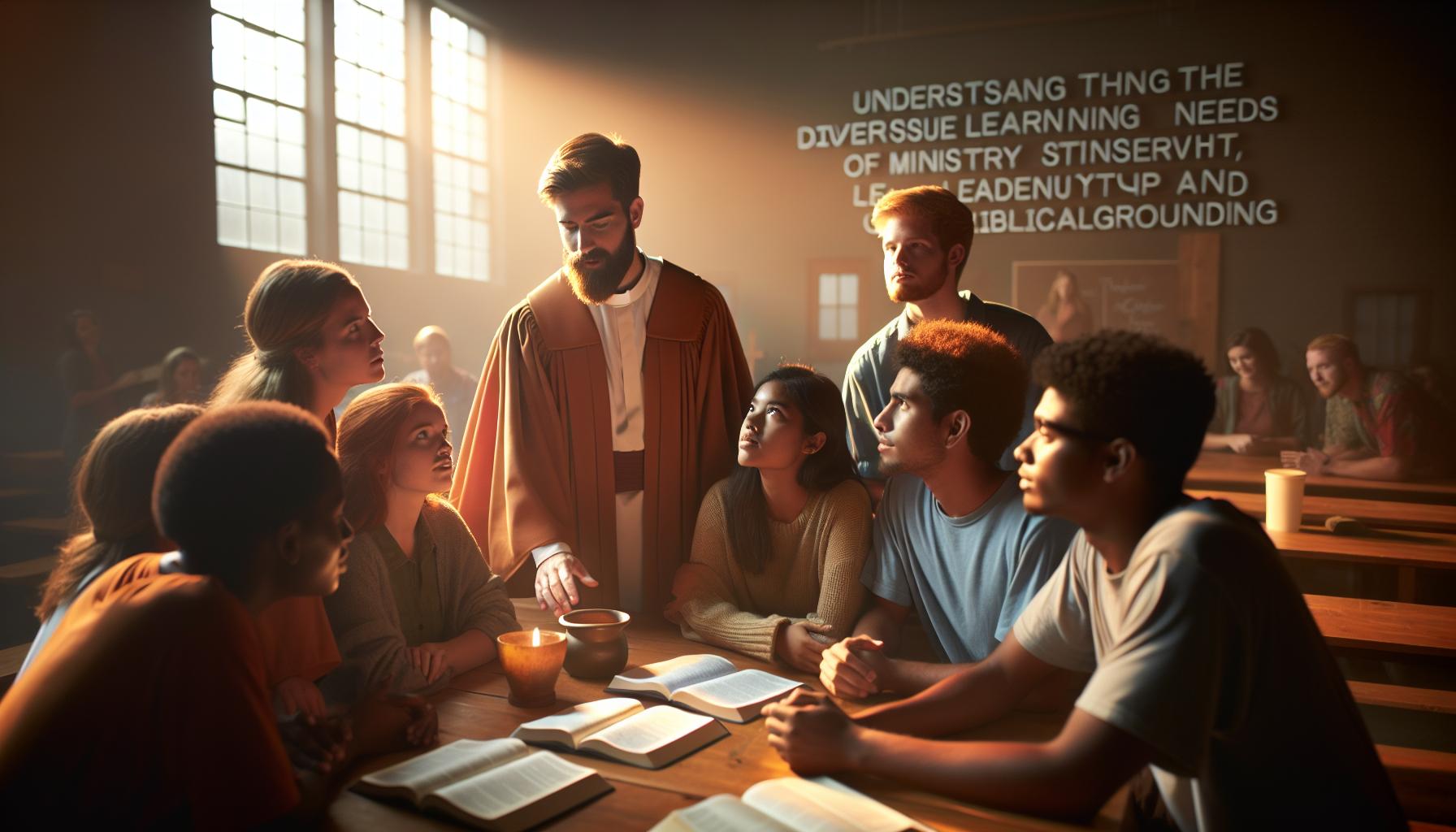
Innovative Teaching Approaches: Engaging Hearts and Minds
In the ever-evolving landscape of education, engaging learners requires more than just customary lecturing; it demands innovative approaches that resonate emotionally and intellectually. By incorporating interactive and dynamic teaching methods, educators can create a vibrant learning environment that captivates students, fostering a sense of ownership over their educational journey. These methods not only enhance comprehension but also empower ministry learners to connect deeply with the content.
Active Learning: Sparking Engagement
Active learning transforms the classroom into a hub of exploration and revelation.This approach encourages students to participate fully, shifting the focus from passive reception of facts to active engagement. strategies such as group discussions, peer teaching, and problem-solving activities cultivate a collaborative atmosphere where students can challenge ideas and learn from each other. One effective method within this model is Project-Based Learning (PBL), where students tackle real-world problems through collaborative projects, promoting critical thinking and teamwork.
Flipped Classroom: Reversing Traditional Models
The flipped classroom model represents a radical shift in how content is delivered and consumed. By having students learn new material at home—ofen through videos or online resources—class time is freed up for deeper discussions and practical applications. This method not only allows learners to engage with content at their own pace but also maximizes face-to-face interaction during class hours, making learning more personalized. As ministry learners work through the material independently, they arrive prepared for substantive engagement during in-class activities.
Integrating Technology: Enhancing Learning Experiences
Technology plays a crucial role in modern teaching methodologies. Tools such as educational apps, interactive simulations, and online forums enhance engagement and provide diverse ways for learners to interact with content. For instance, using platforms that facilitate peer feedback or collaborative writing fosters a sense of community and allows students to learn from one another. Additionally, incorporating multimedia elements, such as videos and podcasts, can cater to various learning styles, making education more inclusive.
| Innovative method | Description | Benefits |
|---|---|---|
| Active Learning | Interactive activities that promote student participation. | Enhances retention and critical thinking. |
| Flipped Classroom | Students study content at home, engage in activities in class. | Increases engagement and allows personalized learning. |
| Technology Integration | Using digital tools and platforms for collaboration and learning. | Cater to diverse learning styles and foster interaction. |
These innovative teaching methods represent a shift towards a more student-centered approach. By utilizing these strategies, educators can better equip and empower ministry learners, enabling them to thrive in both their academic pursuits and their personal growth.In doing so, we transform the educational experience into a meaningful journey that prepares students for the challenges and opportunities ahead.

Practical Strategies for Effective Ministry Training
Engagement through Active Participation
One of the most effective strategies for ministry training lies in active involvement. Adults and learners—nonetheless of age—retain information better when they are engaged in the process. This can be achieved through interactive activities such as group discussions, role-playing, or case studies that reflect real-life situations. Consider incorporating methods that align with the Theory of Multiple Intelligences, ensuring that teaching caters to diverse learning styles within your ministry environment. Such as, some learners may benefit from visual aids, while others might excel through hands-on activities.
- group Discussions: Encourage participants to share their thoughts, fostering a sense of community and collective learning.
- Role-Playing: Simulate real-world scenarios where learners can practice skills directly applicable to ministry tasks.
- Case Studies: Analyze specific ministry challenges and work through potential solutions as a team.
Utilizing Feedback Mechanisms
Feeding information back into the learning loop is crucial for reinforcing concepts and skills. Implement structured feedback mechanisms where participants can share their experiences with the tasks learned. Regular check-ins can help assess understanding and highlight areas needing further exploration. Feedback can be as simple as a rapid survey or a more involved group review session that encourages constructive dialog within the team.
| Feedback Type | Description |
|---|---|
| Anonymous Surveys | Gather honest insights about the training effectiveness and areas for improvement. |
| Group Reviews | facilitate open discussions where everyone reflects on what they have learned and share practical applications. |
Integrating Technology and Resources
In today’s digital age, leveraging technology can enhance ministry training significantly. Use multimedia resources, such as videos and online platforms for distant learning, to broaden access and understanding. Tools like interactive quizzes and online forums can keep participants engaged and allow for continual learning outside traditional training sessions. By utilizing these resources, ministry leaders can ensure that their teaching methods are not only current but also tailored to fit the needs of modern learners.
By embracing these practical strategies,ministry training can become a transformative experience that equips and empowers learners to thrive in their roles,making the teachings and methodologies both relevant and impactful.
The Role of Mentorship in Ministry Education
The Transformative Power of Mentorship in Ministry Education
Mentorship stands as a crucial pillar in the realm of ministry education, offering a dynamic blend of guidance, experience, and spiritual nourishment. Effective mentorship goes beyond merely imparting knowledge; it involves fostering a safe environment where ministry learners can explore their faith, develop their skills, and gain confidence in their calling. Through intentional relationships, seasoned ministers can share invaluable lessons from their journeys, emphasizing the importance of practical application alongside theoretical learning.
- empathy and Understanding: Mentor relationships allow for deep exploration of personal faith struggles and triumphs, creating a setting steeped in empathy.
- Accountability: Each mentorship connection establishes a sense of obligation; mentees benefit from regular check-ins, fostering their growth and diligence.
- Skill Progress: Through hands-on experiences and constructive feedback, mentors help learners cultivate essential ministry skills, from preaching to counseling.
Practical Steps for Effective Mentorship
To harness the full potential of mentorship in ministry education, both mentors and mentees should embrace specific actionable strategies. First, mentors should set clear expectations and goals with their mentees—this could involve laying out a roadmap for spiritual growth or outlining key skills to develop. Regularly scheduled meetings (whether in person or virtual) can ensure ongoing interaction and progress tracking. Additionally, creating opportunities for mentees to engage in real-world ministry tasks enhances their learning experience and enables the application of theoretical concepts learned through structured courses or workshops.
| Strategy | Description |
|---|---|
| Set Clear objectives | Discuss and outline specific growth areas and goals during the initial meetings. |
| Encourage Participation | Assign mentees real responsibilities in ministry tasks to apply their learning. |
| Provide constructive Feedback | Engage in regular discussions about performance and areas for improvement. |
| Foster Community | Encourage connections between mentees and other ministry leaders for broader learning. |
Integrating mentorship effectively within the framework of teaching methods equips individuals not only with knowledge but also with the practical skills and spiritual depth necessary to thrive in ministry contexts. by prioritizing the role of mentorship, ministry education can foster a new generation of leaders ready to navigate the complexities of faith and community service.
Incorporating Technology to Enhance Learning Experiences
Empowering Learning Through Technology
In today’s fast-paced world, the integration of technology in education is not just a trend; it is an essential strategy for cultivating an engaging learning environment. Innovative tools such as interactive whiteboards, educational apps, and online platforms are reshaping how students absorb and interact with knowledge.As an example,the use of podcasting tools can greatly enhance student engagement,allowing learners to revisit lectures and materials at their own pace,reinforcing comprehension of critical content [[1]].
Harnessing the Power of Immersive Technologies
A significant advancement in educational technology is the rise of immersive tools such as augmented reality (AR) and virtual reality (VR). These technologies provide students with unique, hands-on learning experiences that enrich traditional curriculum. Imagine a biology lesson where students can virtually explore the human body or a history class that transports them back to ancient civilizations. By incorporating these cutting-edge technologies, educators can cater to diverse learning styles and needs, making complex subjects more accessible and engaging [[2]].
Strategies for Effective Implementation
To successfully integrate technology into the classroom, educators can follow several actionable steps:
- Assess Learning Objectives: Clearly define what you want your students to achieve with the use of technology.
- Choose the Right Tools: Select tools that align with your objectives and are user-friendly to maximize adoption among students.
- Provide Training: Offer training sessions for students and teachers to ensure everyone is pleasant using new technologies.
- Solicit Feedback: Regularly gather student feedback on technology usage to make necessary adjustments and improve the learning experience.
Real-World Examples
Schools around the globe are already reaping the benefits of technology-enhanced learning. As a notable example, a recent initiative in a Chicago-based school district saw a significant increase in student participation and understanding after implementing VR simulations in science classes. Similarly, a pilot program in Denver used podcasting to help students develop their communication skills, leading to improved overall performance. These examples highlight that when technology is thoughtfully integrated, it can profoundly impact student empowerment and engagement [[3]].
By embracing technology, educators not only equip students with essential skills for the future but also transform the learning landscape into a dynamic, interactive experience that inspires creativity and fosters deeper understanding.
Cultivating a Transformative Classroom Environment
creating a classroom where conversion thrives involves more than just innovative teaching methods; it requires a holistic approach that fosters an environment conducive to learning and personal growth. Research has shown that classrooms lacking engagement tend to underperform, whereas environments that promote interaction and collaboration empower students to take charge of their learning journeys.In the context of “Teaching: Teaching Methods to Equip and empower Ministry Learners,” cultivating this transformative space is crucial.
Building Relationships
One of the foundational elements of a transformative classroom is the relationships built between educators and learners. establishing trust and mutual respect allows students to feel safe and valued, which in turn encourages participation and openness.Consider practical strategies such as:
- Connecting Personally: Take time to learn about your students’ backgrounds,interests,and aspirations,integrating these insights into teaching.
- Encouraging Peer Support: Facilitate opportunities for students to collaborate and support each other, enhancing their collective learning experience.
- Active Listening: Practice active listening during discussions to ensure students feel heard and understood.
Creating Engaging Learning Experiences
Engagement is pivotal in transforming a standard classroom into a dynamic learning hub. Incorporating varied instructional techniques that align with “Teaching: Teaching Methods to Equip and Empower Ministry Learners” can increase student involvement. Examples include:
- Problem-Based Learning: Present real-world problems for students to solve collaboratively, fostering critical thinking and teamwork.
- Interactive Technologies: Utilize tools such as interactive whiteboards or classroom response systems to make lessons more engaging.
- Multimedia Resources: Integrate videos, podcasts, or online articles that relate to ministry topics, keeping content fresh and relevant.
fostering a Growth Mindset
Encouraging a growth mindset within the classroom cultivates resilience and persistence among ministry learners. Emphasizing the value of effort and learning from mistakes helps students embrace challenges. Ways to promote this mindset include:
- Constructive Feedback: Provide timely, specific feedback that focuses on improvement rather than just correctness.
- Celebrating Growth: Recognize and celebrate individual and group achievements, reinforcing the idea that progress is valuable.
- modeling Learning: Share your own learning experiences, including setbacks and successes, to demonstrate that growth is a lifelong journey.
| strategy | Description | Benefits |
|---|---|---|
| Connecting personally | Engage with students’ personal interests and backgrounds | Builds trust and makes learning relatable |
| Problem-Based Learning | Students work on real-world problems | Enhances critical thinking and teamwork skills |
| Constructive Feedback | Provide specific guidance focused on growth | Encourages a growth mindset and continuous improvement |
Assessing and Adapting teaching Methods for Growth
Transforming Learning Through Tailored Approaches
In a dynamic learning environment, the ability to assess and adapt teaching methods is crucial for fostering growth and engagement among ministry learners. By recognizing that each learner has unique needs,instructors can implement a variety of strategies to enhance understanding and retention of information. This flexible approach not only enhances the learning experience but also empowers learners to take ownership of their educational journey.
- Embrace Diverse Teaching Styles: One effective method is to utilize multiple teaching strategies that cater to different learning preferences. For example, visual learners may benefit from diagrams or videos, while kinesthetic learners thrive through hands-on activities. Incorporating a balanced mix can lead to improved outcomes.
- Continuous Assessment: Regularly evaluating learners’ progress through quizzes, discussions, and feedback sessions allows instructors to identify areas needing adjustment. Implementing formative assessments can provide instant insights,enabling timely modifications to lesson plans.
- Adaptable Resources: Use a variety of teaching materials—such as online resources, textbooks, and interactive tools—to meet learners where they are. This not only addresses diverse needs but also keeps the curriculum engaging and relevant.
- Encourage Collaboration: Promoting group work and peer learning creates a supportive environment where learners can share insights and strategies. Collaborative projects can also help learners develop essential interpersonal skills, enriching their educational experience.
Feedback Loops as Catalysts for Improvement
Creating robust feedback mechanisms is essential for refining teaching methodologies.Establishing a culture where learners feel comfortable sharing their experiences leads to valuable insights that can drive effective changes in teaching approaches.Such as, after completing a module, instructors might conduct an anonymous survey to gauge the effectiveness of different methods utilized. The results can be analyzed and used to adjust future lessons, creating a responsive educational environment.
| Feedback Method | Purpose | Action |
|---|---|---|
| Surveys | Collect learner insights on teaching methods | Adjust strategies based on results |
| One-on-One Meetings | Provide personalized feedback opportunities | Adapt individual learning plans |
| Peer Reviews | Encourage constructive criticism | Incorporate new ideas into curriculum |
Utilizing these assessment techniques ensures that teaching is not a static practice but a dynamic,evolving process.Adapting teaching methods in response to feedback not only equips ministry learners with the skills they need but also empowers them to engage more meaningfully with the content, ultimately leading to holistic growth in their educational journey.
Building Community and Connection Among Ministry Learners
Creating Bonds Through shared Experience
building a community among ministry learners is not merely about gathering individuals; it’s about fostering deep connections that enhance learning and spiritual growth. Ministry learners thrive in environments where collaboration, trust, and understanding are paramount.When these individuals share their journeys, challenges, and insights, they create a rich tapestry of support that strengthens their commitment to their ministry efforts. One effective method is the implementation of peer-led discussions and group projects that encourage participants to share their unique perspectives and life experiences. this collaborative approach enriches the learning process and cultivates lasting friendships.
engaging Activities for Connection
To effectively build community, consider integrating engaging activities that allow learners to connect on both professional and personal levels. Here are some practical ideas:
- Retreats and Workshops: Organizing retreats focused on spiritual reflection and team-building can facilitate intimate discussions and strengthen bonds among participants.
- Service Projects: Working together on service projects not only benefits the wider community but also solidifies relationships as learners collaborate towards a common goal.
- Mentorship Programs: Pairing experienced ministry leaders with learners can provide guidance and create a deeper sense of community through shared learning experiences.
Utilizing Technology for Connection
In today’s digital age, maintaining connections among ministry learners can also be enhanced through technology. Utilizing platforms for virtual meetings and social media can keep the community engaged beyond regular gatherings. Consider creating a dedicated online space where learners can share resources, ask questions, and offer support.
| Technology Tools | Purpose |
|---|---|
| Facebook Groups | For community discussions and resource sharing. |
| Zoom | To host virtual meetings and workshops. |
| Slack | For ongoing collaboration and support. |
By actively engaging in these methods, ministry trainers can effectively utilize their teaching strategies aimed at equipping and empowering ministry learners. Building a solid community not only enhances the educational experience but also fosters a supportive network that encourages spiritual growth and leadership development.
FAQ
What is ‘Teaching: Teaching Methods to Equip and Empower Ministry Learners’?
‘Teaching: Teaching Methods to Equip and Empower Ministry Learners’ is an approach focused on equipping individuals for effective ministry through practical methodologies. This includes engaging storytelling, interactive learning, and various teaching methods designed to enhance understanding and application of spiritual teachings.
These methods aim to strengthen both the teacher and learner’s experience, fostering a deeper connection to the content being taught.By emphasizing participatory techniques, ministry leaders can inspire growth and motivation among their learners. To explore more about effective strategies, visit this article on effective teaching methods.
How can I engage learners using effective teaching methods?
Engaging learners can be achieved through techniques like interactive activities, group discussions, and relatable storytelling. These methods cater to various learning styles, enabling participants to connect with the material more personally and meaningfully.
Incorporating physical movement and visual aids can enhance understanding and retention. Such as, using multimedia resources or real-life applications can help cement concepts in learners’ minds. Engaging activities allow learners to explore and apply what they have learned actively.
Why does storytelling matter in ministry teaching?
Storytelling is a powerful tool in ministry teaching as it makes lessons relatable and memorable. Through stories, complex spiritual truths are simplified, allowing learners to grasp and reflect on key messages.
By weaving narratives that resonate with personal experiences, educators can foster empathy and understanding. Biblical stories, as an example, illustrate moral and ethical lessons, empowering learners to see their relevance in today’s context.
Can I adapt traditional teaching methods for ministry learners?
Yes, adapting traditional teaching methods for ministry contexts is not only possible but frequently enough necessary. By integrating contemporary techniques, you can make teachings more relevant and engaging for your audience.
Methods such as collaborative projects,multimedia presentations,and experiential learning can enrich traditional frameworks. These adaptations cater to the diverse needs of ministry learners, facilitating deeper connections to the content.
What are some key teaching methods to empower ministry learners?
Key teaching methods include interactive learning, hands-on activities, peer collaboration, and multimedia use. These approaches empower learners by making them active participants in the learning process.
For example,facilitating group discussions can foster a sense of community,while multimedia presentations can cater to visual learners.Utilizing various methods ensures inclusivity, addressing different learning preferences effectively.
How can I assess the effectiveness of my teaching methods in ministry?
Evaluating the effectiveness of teaching methods can be done through feedback, observations, and learner assessments. Collecting insights from learners helps identify what works and where improvements are needed.
Surveys or informal discussions can provide valuable feedback on the learning experience. Additionally, observing how well learners engage with and retain information allows educators to fine-tune their approach for better outcomes.
What techniques promote active participation among ministry learners?
Techniques that promote active participation include group activities, role-playing, and open discussions. These methods encourage learners to express their thoughts and collaborate with others, fostering a dynamic learning environment.
Involving learners in decision-making processes about their learning can also boost engagement. Techniques like brainstorming sessions or collaborative problem-solving prompt learners to take ownership of their education.
Future Outlook
the journey of equipping and empowering ministry learners is both a profound calling and a challenging endeavor.By embracing effective teaching methods such as active learning, experiential learning, and collaborative strategies, educators can create an environment that not only imparts knowledge but also cultivates spiritual growth and community among learners. as you implement these methods, remember to maintain a balance between theological depth and accessibility, ensuring that every learner feels valued and capable.
We encourage you to continue exploring these approaches in your ministry context,adapting them to meet the unique needs of your learners. Each step you take in this journey strengthens not only your teaching but also the faith of those you guide.Together,let us transform the way we teach,fostering an atmosphere of growth,understanding,and empowerment in ministry.