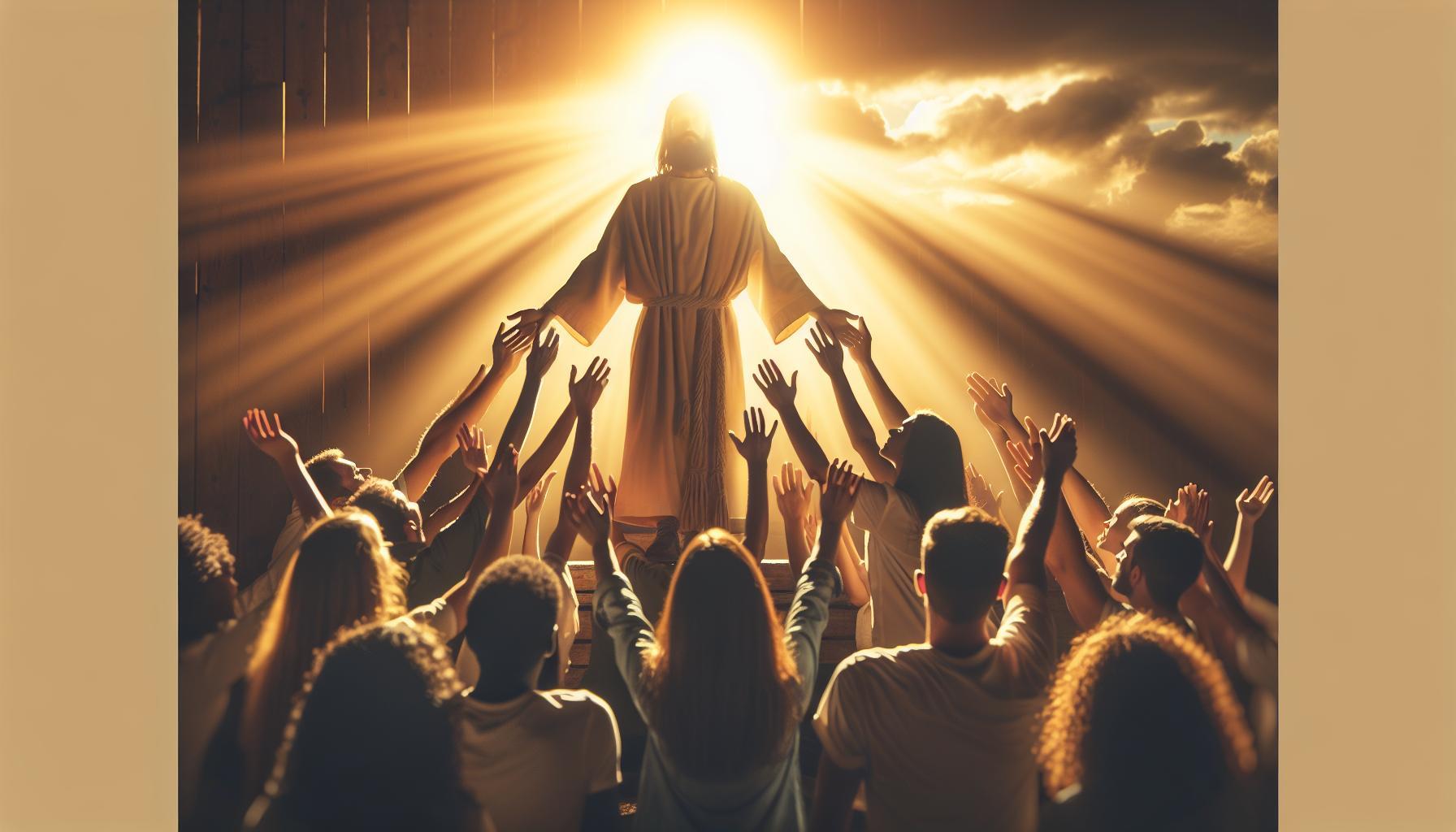
When did paul embark on his transformative journey of ministry? Understanding the timeline of PaulS early years not only sheds light on his evolution as a leader but also offers crucial insights for today’s faith-driven individuals. Discover the pivotal moments that shaped his mission and the timeless lessons we can learn from his unparalleled commitment and passion.
The Early Life of Paul: Context Before the Mission Begins
Setting the Stage for Paul’s Change
Before embarking on his transformative mission that influenced countless lives, Paul—originally known as Saul—was deeply entrenched in the cultural and religious milieu of first-century Judea. born into a devout Jewish family in Tarsus, he was well-versed in the teachings of Judaism and the intricacies of the Law. His early life laid a complex foundation for the immense change he would eventually undergo. Understanding this background is crucial too grasping the notable impact of his ministry,elaborately documented in the timeline of his life and leadership.
- Education: Paul’s upbringing afforded him a rigorous education. He studied under the esteemed rabbi Gamaliel, which provided him wiht profound knowledge of Jewish law and philosophy, equipping him with the arguments crucial for his future debates and writings.
- Roman Citizenship: His status as a Roman citizen granted him unique privileges, including protection under Roman law, allowing him to travel freely and preach the gospel far beyond the confines of judea.
- Zealous Persecution: Initially, Saul was zealous in his pursuit to eradicate what he perceived as heresy. His role in the persecution of early Christians left a stark contrast to the figure he would later become, emphasizing the dramatic nature of his conversion.
The Social and Political Climate
During Paul’s formative years, the region was marked by social upheaval and political tension. The Roman Empire’s presence established a complex relationship between the Jewish population and their occupiers, leading to various movements and factions within Jewish society, such as the Pharisees and Sadducees. paul’s initial alignment with these groups provided him insights into the Jewish legal system and its divergence from emerging Christian doctrines. This context not only shaped his worldview but also established the social challenges he would encounter during his missionary work.
As Saul transitioned from being a staunch opponent of Christians to one of Christianity’s foremost advocates, the skills and knowledge he acquired during this time became invaluable. His ability to navigate both jewish and Roman customs would allow him to effectively communicate and spread the message of Christ across diverse cultures, a key theme in understanding the timeline of his ministry and leadership lessons learned throughout his journey.
Table: Milestones in Paul’s Early Life
| Milestone | Date/Period | Significance |
|---|---|---|
| Birth in Tarsus | c. 5 AD | Born into a multicultural background. |
| Education under Gamaliel | c. 20-30 AD | Strengthened understanding of Jewish law. |
| Persecution of Christians | c. 30-33 AD | Established early reputation as a zealous Pharisee. |
| Conversion on the Road to Damascus | c. 33 AD | Crucial turning point leading to a new mission. |
The Road to Damascus: The Start of a Transformational Journey

The dramatic transformation of Paul, once known as Saul of Tarsus, marks one of the most pivotal turning points in the history of Christianity.His journey to Damascus is not just a biblical event; it serves as an archetype for personal change, showcasing how moments of profound revelation can set the stage for a destiny shaped by faith and mission.
A Life-Crisis Encounter
Saul was a fervent persecutor of Christians, driven by a zealous commitment to his interpretation of judaism. His journey to Damascus was originally intended to further this persecution,yet it became the backdrop for his profound spiritual encounter. This transformative moment is often described as a divine intervention that altered the course of his life. In a flash of light and a voice that resonated deeply within him, Saul was confronted with the truth he had been resisting. This serves as a powerful reminder that our greatest adversities can be catalysts for lasting change.
The Shattering of Old Beliefs
Upon hearing the voice of Jesus asking, “Saul, why are you persecuting me?” Saul was forced to question everything he believed. This crucial moment encapsulates significant leadership lessons,notably regarding the need to be open to new perspectives.Amid the rigid frameworks we often build around our beliefs, it is crucial to remain pliable to revision and growth. Leaders, much like saul, may find themselves facing a moment when they must confront their biases and embrace new pathways.
- Self-Reflection: Take an inventory of your own beliefs. Are they rooted in truth or simply inherited?
- Openness to Change: Embrace moments of uncertainty. They often lead to the greatest growth.
- seeking guidance: Just as Saul was directed by Ananias, seek mentors who can guide you through transitions.
Table: Key Elements of Paul’s Transformation
| Element | Description |
|---|---|
| Encounter | Experience of divine intervention on the road to Damascus. |
| Realization | Understanding his prior actions were misguided. |
| Blindness | Physical blindness symbolized a new spiritual insight. |
| Commissioning | His transformation lead him to become a leader and evangelist. |
Saul’s journey is not just a story of conversion but also an enlightening guide on when Paul started his ministry, illustrating that true leadership stems from humility, receptivity, and the willingness to redefine one’s mission. Each element of his experience presents lessons that resonate even today, urging us to consider how we can embrace transformative opportunities in our own lives.
Key Milestones in Paul’s Ministry: A Timeline of Impact

Paul’s transformative ministry journey reshaped the landscape of early Christianity, leading to a multitude of churches and widespread doctrine dissemination. Understanding the pivotal moments in this journey provides insights not only into his life but also into the potential for leadership and impact in the modern-day church.
Timeline of Key Milestones
To appreciate Paul’s ministry fully, it’s essential to visualize key moments that marked his path. The timeline below encapsulates these significant events, highlighting both the historical context and the profound spiritual implications.
| Year | Event | Description |
|---|---|---|
| AD 33 | Conversion on the Road to damascus | Paul, then known as Saul, experiences a dramatic conversion that redirects his life from persecutor of Christians to a prominent Apostle. |
| AD 35 | First Missionary Journey | Paul, alongside Barnabas, embarks on his first journey, spreading the Gospel across Cyprus and parts of modern Turkey. |
| AD 49 | Council of Jerusalem | Paul participates in this key meeting where early church leaders address the inclusion of Gentiles in Christianity, advocating for their acceptance without the burden of Jewish law. |
| AD 50-52 | Second Missionary Journey | In a significant expansion of his outreach, Paul travels through Macedonia and Greece, founding important churches in Philippi, Thessalonica, and Corinth. |
| AD 63 | Writing of the Prison Epistles | during his imprisonment, Paul pens influential letters including Ephesians, Philippians, and Colossians, shaping Christian doctrine and community life. |
| AD 67 | Martyrdom | Paul is believed to have been martyred in Rome, closing the chapter on a life dedicated to preaching and teaching Christ’s message. |
Leadership Lessons from Paul’s Journey
Within these milestones lie invaluable leadership lessons that can inspire contemporary leaders. For instance, Paul’s initial transformation serves as a compelling reminder that true leadership often arises from personal change. His ability to adapt and embrace new cultures during his missionary journeys shows the importance of being relevant and approachable in ministry, an essential lesson for today’s church leaders.
Utilizing his experiences, modern leaders can also emulate Paul’s willingness to confront challenges—like during the Council of jerusalem—signifying that transparency and dialog can strengthen communities that might be divided by beliefs or practices. By examining Paul’s life and ministry timeline, current and aspiring leaders can glean insights on resilience, adaptability, and the significance of building inclusive communities that resonate with the essence of Christian teachings.
Lessons from Paul’s Leadership Style: Guiding Others with Grace
Did you know that Paul, originally known as Saul of Tarsus, transformed from a fierce persecutor of Christians to one of the most pivotal figures in early Christianity? His remarkable journey provides profound insights into leadership, especially in how he guided others with grace. As we explore the lessons from Paul’s leadership style,we witness the power of compassion,patience,and adaptability,which remain relevant for leaders today.
Empathy and Understanding
One of Paul’s most striking characteristics was his ability to empathize with those he led. He understood the struggles and backgrounds of the communities he encountered, allowing him to communicate effectively and connect on a personal level. As a notable example, during his visits to diffrent cities, he frequently enough tailored his messages to resonate with the local culture. This adaptability is crucial for any leader wishing to foster trust and loyalty among their team.
- Active listening: Paul practiced active listening, ensuring he understood both verbal and non-verbal cues.
- Cultural relevance: He engaged with different cultures, using familiar references and symbols to bridge the gap.
By adopting a similar approach, modern leaders can cultivate a supportive environment that encourages open dialogue and respects diverse perspectives.
Mentorship and Encouragement
Paul’s leadership was not limited to instructions; he actively mentored emerging leaders like Timothy and Titus, providing them with guidance and encouragement. His letters often included personal recommendations and affirmations, showcasing his belief in uplifting others. By empowering those around him, Paul created a legacy of leadership that extended beyond his time.
To replicate this aspect of Paul’s leadership:
- Develop mentorship programs: Invest time in nurturing budding leaders within your institution.
- Celebrate achievements: Recognize and commend the efforts of your team members to boost morale.
By fostering a culture of mentorship and support, leaders can significantly influence their teams, driving both personal and organizational growth.
Grace in Adversity
Paul’s journey wasn’t devoid of challenges; he faced imprisonment, betrayal, and rejection. Yet, his reaction to these hardships embodied grace and resilience. He consistently responded to opposition with patience and understanding, often reiterating messages of love, faith, and forgiveness. This resilience is a vital lesson for leaders navigating their own challenges.Incorporating grace in difficult situations can involve:
- Maintaining composure: Stay calm and collected, even when tension runs high.
- offering solutions, not blame: Focus on resolution rather than pointing fingers during crises.
By embracing grace in the face of adversity,leaders not only enhance their credibility but also inspire their teams to face challenges with a positive outlook.
the timeline of Paul’s ministry illustrates not just the milestones of his journey but the enduring leadership lessons that emphasize guiding others with grace. Through empathy, mentorship, and resilience, modern leaders can create impactful and lasting changes within their organizations, resonating with the timeless teachings of Paul.
Challenges Faced by Paul: Navigating Ministry and Adversity
The journey of ministry is rarely straightforward, and the life of Paul serves as a testament to this reality. From his dramatic conversion to his relentless missionary work, Paul faced a multitude of challenges that tested his faith and resolve. His experiences offer profound lessons for anyone navigating the complexities of leadership and ministry today.
Overcoming Obstacles
Paul’s ministry was marked by significant hardship, which shaped his character and leadership style. Some of the primary challenges he faced included:
- Persecution: From the outset, Paul was a target of intense opposition. He was imprisoned several times and often faced threats to his life from both religious leaders and unfriendly political authorities. This adversity helped to strengthen his commitment and deepen his understanding of suffering as part of his mission.
- Personal Struggles: The Apostle Paul dealt with his own weaknesses and emotional turmoil,famously mentioning a “thorn in the flesh” that he sought to overcome. This personal conflict reminds leaders that even those who are called to serve can struggle internally.
- Cultural Barriers: Paul navigated diverse cultures during his missions, often addressing communities with radically different beliefs and customs. His ability to adapt his message to different audiences without compromising the core truths of Christianity is a crucial lesson in effective communication.
Building Resilience in Leadership
Resilience is a vital quality for any leader, especially those in ministry. Paul’s ability to bounce back from setbacks provides a roadmap for contemporary leaders. Here are some actionable insights derived from his experiences:
- embrace Suffering: View challenges as opportunities for spiritual growth. Each setback can lead to deeper insights and a more profound connection to your mission.
- Foster community Support: Paul often relied on the support of fellow missionaries and believers. Building a network can provide not only emotional but also practical support in times of need.
- Adapt and Learn: Paul’s willingness to engage with various cultures teaches us the importance of flexibility and ongoing learning in our approach to ministry and communication.
Lessons from Adversity
The trials Paul faced in his ministry are not just historical accounts; they serve as vital lessons for leaders today. Each experience brought him closer to understanding grace, perseverance, and the true meaning of leadership. As aspiring leaders reflect on Paul’s life and the question of when he started his ministry, it becomes clear that overcoming adversity can lead to a powerful testimony and profound influence.
Building Community: Paul’s Approach to Relationships and Leadership
When considering the role of effective leadership in building community,one cannot overlook the profound impact Paul had in his early ministry. his approach, characterized by authentic relationships and strategic connections, serves as a model for modern leaders aiming to foster a sense of belonging among diverse groups.
Fostering Genuine Connections
Paul understood that relationships are the bedrock of community building. his ministry was not merely about spreading teachings; it was about creating genuine connections with individuals from various backgrounds. By visiting different towns and cultivating relationships with the locals, he established a supportive network. This is evidenced by his letters to the various churches, which were frequently enough personalized and addressed specific issues faced by those communities.
- Personal Visits: Paul frequently traveled to strengthen his bonds with emerging leaders.
- Mentorship: He mentored individuals like Timothy and Titus,demonstrating the importance of investing in future leaders.
- Inclusivity: By welcoming people from different walks of life, Paul broke down barriers and emphasized the importance of unity.
Leadership Through Example
Paul’s leadership style was deeply rooted in the principles of servitude and compassion. He did not lead from an ivory tower; instead, he engaged in the communities he served. This kind of leadership fosters trust and loyalty, two critical components of community dynamics.As an example,in his letter to the Corinthians,Paul described his struggles and triumphs openly,which resonated with his audience and made them feel understood and supported. He exemplified vulnerability as a strength, showing future leaders that authenticity can cultivate deeper relationships.
Building Resilience in Communities
Paul’s ministry also included teaching communities how to navigate challenges together. By providing doctrinal guidance paired with practical advice, he empowered church members to support one another during difficult times. His emphasis on collective resilience is a critical lesson for anyone looking to nurture a strong community.
| Leadership Quality | Practical Application |
|---|---|
| Authenticity | Share personal stories to create relatability. |
| Servitude | Engage in community projects to build trust. |
| Inclusivity | Invite diverse voices into conversations. |
| Empowerment | Encourage mentorship programs within the group. |
Through his unwavering commitment to nurturing relationships, Paul laid a foundational framework that leaders today can emulate. The lessons derived from his ministry timeline not only illustrate the evolution of his outreach but also provide actionable insights for those aiming to cultivate more vibrant and cohesive communities.
The Legacy of Paul’s Ministry: Lasting Influences on Today’s Church
The Enduring Impact of Paul’s Apostolic Call
Did you know that Paul’s letters make up nearly a third of the New Testament? This profound influence demonstrates how his ministry continues to shape modern Christianity. The teachings and leadership principles derived from his journey offer practical examples for today’s church leaders and followers alike. Understanding when Paul started his ministry provides context for his transformative role in the early church and equips us to apply similar strategies in contemporary settings.
Keys to Effective Ministry
Paul’s ministry was characterized by resilience and adaptability, qualities that serve as a benchmark for current church movements. here are several essential lessons drawn from his apostolic activities:
- Contextualization of the Gospel: Paul tailored his message to resonate with diverse audiences, from the intellectuals of Athens to the humble communities of Galatia. This adaptability showcases the importance of relevance in communication today.
- Community Building: His emphasis on building relationships and fostering community among believers has great relevance for churches aiming to create inclusive environments in a fragmented world.
- Endurance in Adversity: Paul faced imprisonment, persecution, and personal loss yet remained steadfast. This relentless spirit can inspire modern congregations to embrace challenges as opportunities for growth.
Transformative leadership Model
Paul’s authentic leadership style models servant leadership, which has proven effective across centuries. He demonstrated humility, accountability, and mentorship, emphasizing the importance of empowering others. This approach can be particularly beneficial in today’s churches, where collaboration and inclusivity are critical for success.
To illustrate the effectiveness of Paul’s ministry style, consider the following table that highlights key aspects:
| Character Trait | Example from Paul’s Ministry | Application Today |
|---|---|---|
| Visionary Leadership | Strategic planning of missionary journeys | setting clear goals for community outreach |
| Courage to Confront | Addressing disputes within the church | Encouraging open dialogue on church challenges |
| Passionate Evangelism | Proclaiming the gospel in diverse cultures | Cultural engagement to make the gospel relatable |
Emulating Paul’s approach invites churches today to rethink their strategies and embrace a holistic vision that fosters transformation and impact. As you explore the lessons from “When Did Paul Start His Ministry? Timeline and Leadership lessons,” consider how these elements can be implemented in your community,ensuring that Paul’s legacy continues to inspire lasting change in our modern context.
Applying Paul’s Teachings: Practical Insights for Modern Leaders
Transformative Leadership: Lessons from Paul’s Journey
Throughout the evolution of his ministry, Paul navigated numerous challenges that illuminate principles of effective leadership still applicable today. Understanding *when Paul started his ministry* offers more than just a timeline; it provides rich insights into strategic planning, adaptability, and resilience that modern leaders can harness in their own paths.
- Emotional Intelligence and Empathy: Paul constantly engaged with diverse communities,displaying an acute awareness of their unique cultural contexts. Leaders today should cultivate emotional intelligence by actively listening and understanding the individual needs of their teams. Such as, a manager who regularly holds one-on-one check-ins can gauge morale and performance, akin to how Paul tailored his messages to resonate with different audiences.
- Vision and Adaptability: Paul’s mission evolved as circumstances changed—following the *Damascus Road experience*, he didn’t just adapt his message, he pivoted his entire approach to ministry. Modern leaders can learn to articulate a clear vision while being flexible enough to adapt to new challenges, much like businesses that shift their strategies in response to market trends.
- Building Strong Networks: Paul’s extensive travels and relationships were pivotal to spreading his message. His ability to create connections exemplifies the importance of networking in leadership. Leaders should actively cultivate relationships, as collaborations can pave the way for innovation and new opportunities.
Practical Steps Inspired by Paul’s Leadership
Take a moment to reflect on Paul’s methodologies and consider implementing the following actionable strategies in your leadership practice:
| Strategy | Application |
|---|---|
| Develop a Personal Mission Statement | Define your purpose as a leader, much like Paul established his mission to spread the Gospel. This clarity can guide your decisions and inspire your team. |
| Foster Inclusive Communication | Embrace dialogue with team members from different backgrounds, similar to paul’s approach with various cultural groups, ensuring everyone feels valued. |
| Identify Mentorship Opportunities | Just as Paul mentored Timothy, seek to invest time in developing leaders around you, creating a legacy of empowerment and guidance. |
| Embrace Conflict as Growth | Paul faced significant opposition,but he viewed it as a chance to refine his mission. Modern leaders should embrace challenges, using them as opportunities for team growth and innovation. |
In today’s rapidly evolving landscape, adopting these principles from Paul’s ministry not only enhances your leadership skill set but also fosters an environment where collaboration and understanding thrive.
Frequently asked questions
When Did Paul Start His Ministry? Timeline and Leadership Lessons
Paul began his ministry around 33-36 AD, approximately three years after his conversion. His journey started with a dramatic encounter with Jesus on the road to damascus, leading to a lifelong mission to spread the Gospel, teaching us vital leadership lessons along the way.
After his conversion, Paul spent some time in Arabia, which was crucial for his spiritual growth. This period was likely around three years, followed by a return to Damascus where he began preaching. His ministry formally started when he was commissioned by the church in Antioch during a pivotal moment of prayer and fasting, which is detailed in Acts 13:1-3. For an in-depth exploration of Paul’s leadership, see our related article on Paul’s Leadership Lessons.
What is the significance of paul’s ministry timeline?
Paul’s ministry timeline is significant as it highlights key events that shaped early Christianity. understanding this timeline provides insights into his transformative experiences and theological developments that influenced the spread of the Gospel.
Key moments, such as his missionary journeys, the establishment of churches, and theological debates reflected in his epistles, showcase his role as a foundational figure in Christianity. His journeys, particularly the first journey which started around 46 AD, were instrumental in spreading Christian teachings across the Roman Empire. This timeline serves as a framework for understanding both the historical context and the leadership qualities that Paul embodied.
Why does Paul’s leadership matter today?
Paul’s leadership matters today because it offers timeless lessons on resilience, faith, and community building. His approach to ministry emphasizes the importance of strong relationships and adaptability in pursuing a greater mission.
Paul faced numerous challenges, including imprisonment and persecution, yet he persevered in his mission. His letters highlight effective communication, mentoring, and the ability to confront difficult issues with grace. By studying Paul’s leadership style, modern leaders can draw valuable lessons on how to inspire and mobilize communities around a shared vision while remaining anchored in faith.
Can I find examples of Paul’s impact on early Christianity?
Yes, Paul profoundly impacted early Christianity through his extensive missionary work and writings. His letters to various churches formed the backbone of New Testament teachings, shaping Christian doctrine.
Examples of his impact include the establishment of multiple congregations in key cities such as Corinth, Ephesus, and Galatia. His ability to address diverse audiences, adapt his message, and encourage unity among believers contributed to the growth of Christianity. The theological insights found in his letters, including themes of grace and redemption, continue to resonate with and guide believers to this day.
What challenges did Paul face during his ministry?
Paul faced numerous challenges during his ministry, including persecution, imprisonment, and theological disputes. These obstacles shaped his resilience and commitment to his mission of preaching the Gospel.
He experienced shipwrecks, beatings, and imprisonment, yet he remained unwavering in his devotion to spread the message of Christ.His letters often addressed issues within the early church, showing how he confronted conflicts with grace while emphasizing the need for unity and love. These experiences underscore the importance of enduring faith and adaptability in overcoming difficulties, offering valuable lessons for leaders today.
What leadership lessons can we learn from Paul’s experiences?
We can learn several leadership lessons from Paul, including the importance of vision, resilience, and relational leadership. His journey illustrates how effective leaders adapt and inspire others despite challenges.
Paul demonstrated a visionary approach, guiding early Christians through complex issues with clarity and purpose. His emphasis on teamwork, as seen with his companions like Barnabas and Silas, showcases the value of investing in relationships. Additionally, his ability to listen and reflect on his experiences teaches leaders the significance of self-awareness and continual growth in their ministry.
Concluding Remarks
As we reflect on the pivotal moments of Paul’s ministry, it’s essential to recognize the profound impact his journey had on early Christianity and its teachings. From his dramatic conversion on the road to Damascus to his relentless pursuit of spreading the Gospel, Paul’s timeline is filled with lessons in resilience, leadership, and faith.
Throughout this exploration, we’ve seen how Paul’s commitment to the mission, even amidst adversity, serves as a powerful reminder for us today. His experiences encourage us to embrace our own challenges as opportunities for growth and to lead with purpose and passion.
We invite you to delve deeper into Paul’s life, examining how his example can inspire our actions and shape our faith communities. Whether you’re a budding leader or simply seeking to deepen your understanding, there’s always more to learn from Paul’s teachings and his unwavering dedication to God’s work.
Join us on this journey of discovery and let’s continue to seek wisdom together, as we explore the rich lessons that can transform our lives and guide our paths. Thank you for being a part of this exploration; we look forward to sharing more insights with you in the future!