
What prompted the transition from a grassroots movement to organized leadership within the early Christian community? Understanding the origins of official ministries in the church sheds light on vital theological developments and social dynamics. This exploration reveals how early Christians structured their faith, impacting worship and community life today.
The Origins of Ministry in the Early Church: A Historical Perspective
In the wake of the resurrection of Jesus, a transformational movement began that would eventually give rise to the structured ministries we recognise in today’s Church. The early followers were not only united by their shared faith but were also committed to spreading the teachings of Christ across diverse regions. Understanding the origins of ministry in this context provides crucial insights into how the formal structures we see now began to take shape.
The Role of Apostles and Their Influence
at the heart of the early Church were the apostles, who played a pivotal role in establishing foundational ministries. These individuals, chosen directly by Jesus, were tasked with spreading His message and nurturing the burgeoning Christian community. Initially, leadership was informal, largely stemming from the apostles’ persuasive preaching and miraculous acts, which drew adherents and solidified their authority.
As communities began to form, the need for organized leadership became evident.This spurred the selection of deacons, as described in Acts 6:1-7, allowing the apostles to focus on prayer and the ministry of the Word while ensuring that practical needs, such as the distribution of food, were met. This early division of labor is a critical insight into how ministry roles began to diversify, creating a prototype for future Church governance.
Emergence of Teaching and Pastoral Roles
As the Church grew, so too did the complexity of its functions. The initial gatherings of believers emphasized teaching and fellowship, which laid the groundwork for later pastoral roles. Church fathers like Ignatius of Antioch and Polycarp began to articulate more defined functions including teaching, shepherding congregations, and providing spiritual oversight.
The historical lens reveals several roles that began to formalize, including:
- Apostolic ministry: Focused on spreading the Gospel and establishing churches.
- Prophet and teacher: responsible for teaching Scripture and guiding ethical living.
- Elder: Provided spiritual oversight to entrusted congregations.
| Ministry Role | Function |
|---|---|
| Apostles | Founders and evangelists who spread the Gospel. |
| Deacons | Servants who assisted in practical tasks. |
| Teachers | Educators who nurtured believers in doctrine. |
| Pastors | Shepherds who provided spiritual care. |
These early developments highlight how the need for structure guided the evolution of Church ministries. The formalization of these roles helped not only to maintain order within congregations but also to ensure that the original mission of the Church—to foster community and evangelize the world—could be effectively managed and sustained. Understanding these historical dynamics encourages present-day believers to appreciate the roots of their faith and the foundational ministries that continue to impact Church life today.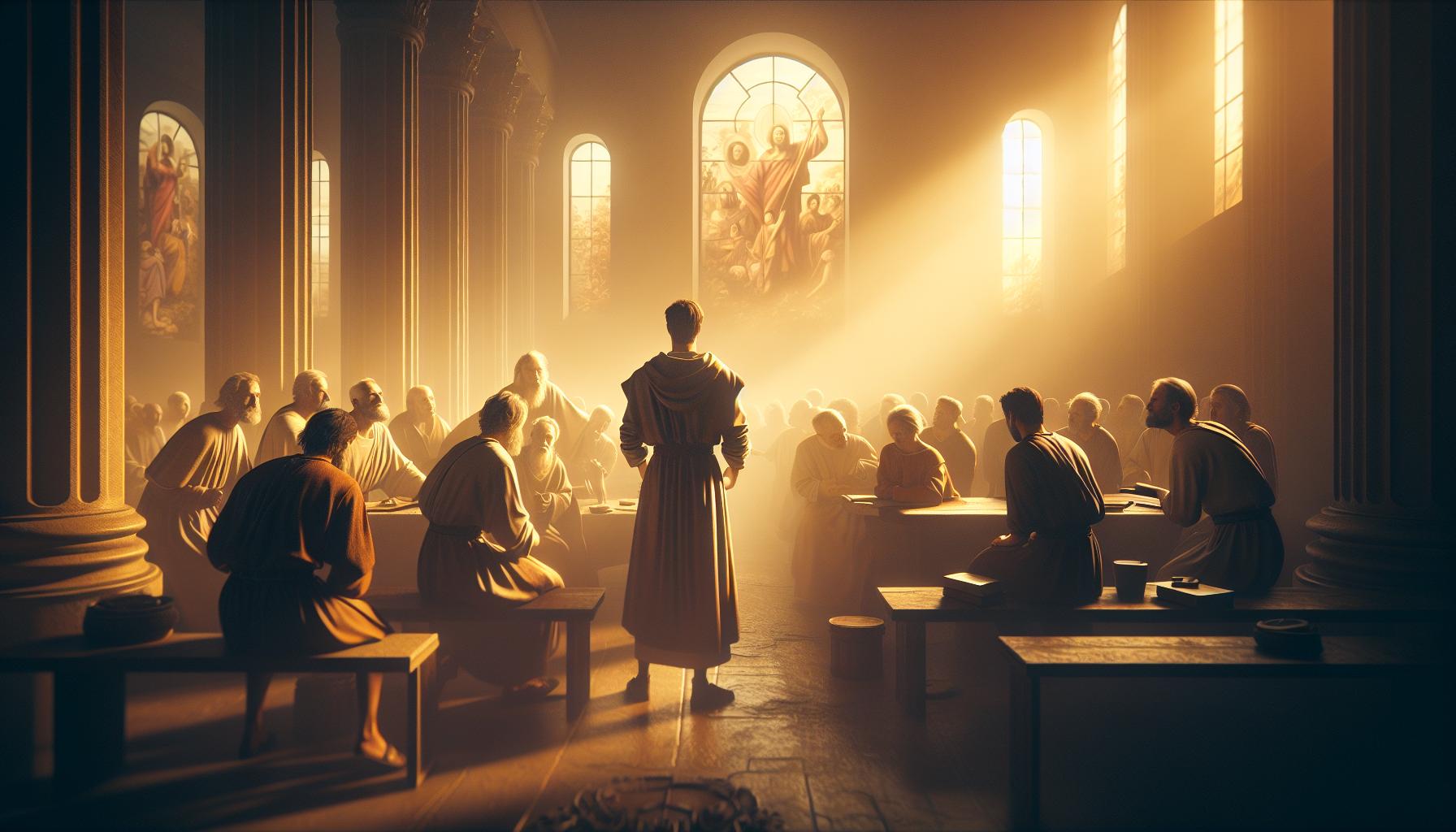
Key Figures who Shaped Official Ministries in Early Christianity
From the inception of christianity, several influential figures emerged who not only played pivotal roles in the formation of the Church but also helped establish what would become its official ministries.these early leaders provided theological guidance, addressed doctrinal disputes, and facilitated community association, laying the foundation for structured ecclesiastical governance.
Notable Leaders in Early Christianity
- Peter: Often regarded as the first leader of the Christian Church, Peter’s role is well-documented in the Book of Acts. His bold proclamations and significant acts, such as preaching on Pentecost, marked the early steps towards organized ministry.
- Paul: A central figure in the expansion of early Christianity, Paul was instrumental in spreading the Gospel to the Gentiles. His letters to various churches established guidelines for Christian living and ministry structure, which are still referenced today.
- Ignatius of Antioch: Known for his letters to various Christian communities, Ignatius emphasized the role of bishops as essential leaders within the Church, reinforcing the necessity for a hierarchical structure in official ministries.
- Clement of Rome: As one of the earliest popes, Clement’s letters addressed issues of church governance and unity, advocating for respect and obedience to the established ministry.
The Growth of Official Ministries
The transition from informal gatherings to structured ministries in the early Church was both organic and necessary. The Apostolic Fathers, including figures like Polycarp and Barnabas, contributed to this evolution by articulating the importance of maintaining doctrinal purity and fostering community cohesion. This period saw the establishment of key roles such as deacons and presbyters, who assisted in both spiritual and administrative tasks, ensuring the smooth operation of early Christian communities. Their writings provide insight into the priorities and practices that would form the bedrock of official Church ministries.
| Name | role | Contribution |
|---|---|---|
| Peter | Apostle | Established the early Church and preached to the first converts. |
| Paul | Apostle/Teacher | Wrote epistles that guided Christian communities and outlined church organization. |
| ignatius of antioch | Bishop | promoted the role of bishops as vital leaders in the Church. |
| Clement of Rome | Poпe | Addressed church unity and governance in his letters. |

The Role of Apostolic leadership in Establishing Church Functions
Apostolic leadership served as the bedrock upon which the early Church established its functions, guiding the believers through complex social, theological, and organizational challenges. The apostles were not merely spiritual leaders; they were catalysts for the Church’s formal structure. Their influence helped shape key aspects of ministry that are still relevant today. By studying the historical development of ministry roles, we can appreciate how the Church transitioned from small gatherings of believers to a structured community with defined responsibilities.
Foundations of Apostolic Leadership
The early apostles, including figures such as Peter and paul, played pivotal roles in communicating the teachings of Christ and addressing the needs of the growing Christian community. They recognized that as the number of believers increased, so too did the complexities of church management. This was a time when the Church had to address practical needs, as evidenced in Acts 6:1-7, where the apostles appointed deacons to manage food distribution among the widows. This decision not only ensured equitable care for members but also allowed the apostles to focus on prayer and the ministry of the Word, thereby setting a precedent for future church governance.
Establishing Official Ministries
As the early Church evolved, so too did the necessity for official ministries or roles within the community. Apostolic leadership directly influenced the establishment of these functions. Here are some of the key ministries that emerged:
- Apostles: Leaders who spread the Gospel and established new congregations.
- Prophets: Individuals who offered guidance and divine insight, frequently enough providing direction in times of uncertainty.
- Evangelists: Those dedicated to spreading the good news beyond existing church boundaries.
- Pastors and Teachers: Leaders responsible for spiritual care and doctrinal instruction within local congregations.
The official roles created during this time were essential for maintaining unity and purpose among diverse groups of believers. By delegating responsibilities, apostolic leadership not only streamlined operations but also empowered lay leaders and members, leading to sustained spiritual growth and community impact.
Real-World Applications of Early Apostolic Leadership
For modern churches looking to enhance their ministry structure,reflecting on the apostolic model can provide valuable insights. Here are actionable steps based on historical practices:
| Action | Description |
|---|---|
| Create Defined Roles | Establish specific ministry roles to address the needs of your congregation effectively, similar to the apostles appointing deacons. |
| Encourage Lay leadership | Empower members to take leadership roles in ministry, fostering a sense of ownership within the Church community. |
| Focus on Prayer and Teaching | Like the apostles, prioritize spiritual disciplines to ensure the health of the church body and its mission. |
By looking back at when the early Church began official ministries, we can glean lessons that resonate with contemporary church environments, generating growth and involvement akin to that of the apostolic age.
How Did Early Christians Define Ministries and Their Purposes?
the origins of official ministries in the early Christian church reveal a rich tapestry of purpose and intent aimed at fostering community and spiritual growth among believers. as the first followers of Christ sought to spread their faith, they recognized the importance of structured leadership roles to guide, educate, and support their communities.
Defining Ministries in the Early Church
Initially, ministries were not rigidly defined but rather emerged organically from the needs of the congregation. As communities formed around the teachings of Jesus, specific roles began to take shape, guided by the Holy Spirit. Key functions included:
- Apostles: Serving as foundational teachers and leaders, apostles took on the obligation of spreading the gospel and establishing new churches.
- Deacons: Appointed to handle charitable work and assist with the distribution of aid, deacons were crucial in ensuring that the practical needs of the community were met.
- Prophets: These individuals provided spiritual encouragement and guidance, often speaking on behalf of God to inspire the community.
- Teachers: As communities grew, the need for education expanded. Teachers emerged to help believers deepen their understanding of scripture and doctrine.
This organic development shows that the early church was less about formal titles and more focused on fulfilling various needs within the community. The adaptability of these roles allowed for a dynamic ministry that could address changing circumstances and challenges facing early Christians.
Purposes of Early Ministries
The primary purposes of ministries in the early church revolved around one central theme: nurturing a deep and vibrant faith within the community. For example:
| Ministry Role | Purpose |
|---|---|
| Apostles | To spread the message of Christ and establish new congregations. |
| Deacons | To serve the community by managing practical needs and charitable acts. |
| Prophets | To provide divine guidance and encouragement to believers. |
| Teachers | To educate and deepen the faith of new believers. |
The implications of this purposeful structuring of ministries were significant. By defining specific roles and responsibilities, early Christians could ensure that both the spiritual and practical needs of the community were met, thus promoting unity and growth.As the early church continued to evolve, these ministries laid the groundwork for future church structures we recognize today.
Through understanding when and how the early church began official ministries, we glimpse a movement that was not only focused on spiritual leadership but also deeply intertwined with service, education, and community support.
The Evolution of Ministry Roles Through the first Centuries
The early Christian community was vibrant and diverse, operating in a context where leadership roles began to take shape organically. As believers gathered to share teachings,support each other,and spread the faith,the structures of ministry evolved to meet the changing needs of these growing congregations.
Key developments in Ministry Roles
In the first few centuries, specific roles began to crystallize within the church, moving from informal gatherings to organized communities. This evolution was influenced by several key factors:
- Spiritual Gifts: The early church emphasized the importance of spiritual gifts, as outlined in Scriptures such as 1 Corinthians 12. Different members of the community took on various roles, from preaching to service, allowing a diverse range of leadership.
- Persecution and Martyrdom: The challenges faced by early Christians, including persecution, necessitated the development of stronger leadership to guide the faithful, ensure their safety, and maintain doctrinal purity.
- Apostolic Succession: As the apostles began to pass on their authority,the concept of apostolic succession became a cornerstone of leadership,establishing bishops and elders as vital figures in the community.
formalization of Leadership Structures
As the church grew, different positions emerged, reflecting the needs of its members and local contexts.The establishment of ordained ministries allowed earlier practices to coalesce into a formalized system of governance.
| Role | Description | Historical Significance |
|---|---|---|
| Bishops | Overseers of multiple congregations,responsible for teaching and safeguarding doctrine. | Played a pivotal role in unifying various congregations under a common faith. |
| Elders | Leaders within individual congregations focused on pastoral care and teaching. | Provided local guidance and support, fostering community within individual churches. |
| Deacons | Servants focused on practical matters, such as charity and administration. | Ensured that the needs of the community were met, allowing for growth and outreach. |
Through these roles,the early church not only maintained its identity but also adapted to the demands of its environment. As believers flocked together for fellowship and worship, these growing structures laid the groundwork for the rich diversity of ministry we see today. The discussion around when the early church began official ministries is critical for understanding the pathway of leadership and governance in Christianity, emphasizing a transition from charismatic leadership to an organized ministry system that would influence generations to come.
Challenges Faced by Early Ministries and Their Resilience
The early church was a vibrant yet tumultuous period, marked by an atmosphere of passion for faith and an unwavering commitment to community, despite facing formidable challenges. At a time when Christianity was misunderstood and frequently enough met with hostility, early ministries were tasked with establishing a foundation for the faith, navigating social, political, and theological obstacles that could easily have derailed their efforts.
Persecution and Opposition
One of the most significant challenges faced by early ministries was the persecution from Roman authorities and the surrounding pagan society. Followers of Christ were often viewed with suspicion and hostility, leading to systematic oppression.This turmoil created a context where early church leaders had to be astute in their leadership and resilient in their faith. The resilience manifested in various ways:
- Secret Worship: Early Christians often had to worship in clandestine settings to avoid detection.
- Strong Community Support: They formed tight-knit communities, providing mutual aid and encouragement to withstand external pressures.
- Artful Interaction: Leaders developed ways to communicate core tenets of the faith subtly to avoid conflicts while still spreading the message.
Theological Conflicts
Another layer of challenge involved the theological disputes that emerged as different interpretations of Christianity arose. Early ministries had to grapple with various teachings and ideas that threatened the unity of the doctrine. Key events highlighted their struggle to establish a cohesive belief system. This situation demanded determined leadership and an ability to engage in respectful and constructive dialog.
| Challenge | Response by early Ministries |
|---|---|
| Misinterpretations of Doctrine | Formation of creeds and councils to solidify essential beliefs. |
| Disconnection with the Hebrew Scriptures | Incorporation of the teachings of the old testament and the life of Jesus to validate their faith. |
| Encroaching Gnosticism | Active defence of the physical resurrection against spiritual interpretations. |
Adapting to Cultural Contexts
Beyond persecution and theology, early ministries demonstrated resilience in adapting to various cultural contexts without compromising core beliefs. As Christianity spread to different regions, it encountered a tapestry of cultures, traditions, and languages. Early leaders were tasked with interpreting the faith in ways that resonated with diverse audiences while staying true to its foundational truths.
They engaged in:
- Contextualization: Crafting messages that aligned with local customs to promote understanding.
- Inclusive Outreach: Actively involving local populations in ministry efforts, fostering a sense of belonging.
- Educational Strategies: Establishing schools and platforms to educate new believers on faith fundamentals.
Through these strategies, the early ministries not only survived but thrived, laying a rich groundwork for future generations. The examination of ‘When did The Early Church Begin Official Ministries? Historical View’ reveals that resilience defined the early ministry landscape, encapsulating both the struggles and the triumphs of those committed to the early Christian faith.
The Impact of Councils on Official Church ministry Structures
The establishment of councils within the early church marked a significant turning point in the development of official ministry structures. These councils were not merely gatherings for debate; they were pivotal in determining the direction and organization of church leadership and community practices, culminating in the formalization of roles and responsibilities that continue to influence church dynamics to this day.
Formation of Early Councils
The initial councils were convened to address conflicts and clarify doctrinal issues that arose as the church expanded. Church leaders gathered to resolve disputes and ensure a unified belief system, which was essential for maintaining the integrity of the faith in an increasingly diverse context. Some pivotal councils included:
- The Council of jerusalem (AD 50): Addressed the question of Gentile inclusion and the necessity of following mosaic Law.
- The First Council of Nicaea (AD 325): Convened by emperor Constantine, it dealt with the Arian controversy and led to the formulation of the nicene Creed.
- The Council of Chalcedon (AD 451): Focused on Christological debates, affirming the dual nature of Christ.
These councils not only resolved immediate issues but also transformed the landscape of church governance and established a precedent for future ecclesiastical authority.
Impact on Official Ministry Structures
As the authority of these councils solidified, so did their influence on the formation of official ministry roles within the church. By defining key doctrines and practices, councils facilitated the emergence of structured ministries that were essential for effective church operation. The implications of this structured approach included:
- Standardization of ministerial roles, such as deacons, bishops, and elders.
- Creating a hierarchy that necessitated formal training and ordination processes for church leaders.
- Establishing liturgical practices that were adhered to across different regions, ensuring a cohesive worship experience.
Through these developments, the early church transitioned from ad hoc leadership based on local needs to a more centralized authority that guided official ministries. This conversion laid the groundwork for the complex administrative frameworks seen in modern churches.
Real-World Examples of Council Influence
The teachings and standards set forth by these early councils still resonate within contemporary church practices. For instance,many denominations today follow liturgical formats that reflect early church models established during these crucial gatherings. Additionally, the concept of selection and ordination processes can trace its roots back to the early councils, demonstrating their lasting impact.
| Council | Year | Key Outcome |
|---|---|---|
| Council of Jerusalem | AD 50 | Gentile inclusion policy established. |
| First Council of Nicaea | AD 325 | Nicene Creed formulated. |
| Council of Chalcedon | AD 451 | Acknowledgment of Christ’s dual nature. |
In understanding the historical view of when the early church began official ministries, it becomes clear that these councils were integral in shaping not just church doctrine but also the structural framework that supports today’s church ministries.By acknowledging their profound influence, modern congregations can better appreciate the lineage of their governance and the continuity of faith that has been preserved through the ages.
Lessons from early Church Ministries for Today’s congregations
The early church was a dynamic movement characterized by an intense commitment to community, spirituality, and service, laying the groundwork for contemporary church practices. Examining milestones from the inception of formal ministries can profoundly impact today’s congregations, offering insights that remain relevant in our modern context.
Principles of community and Service
One of the hallmarks of the early church was its emphasis on community. The members often pooled their resources to support one another, reflecting the principles of Acts 2:44-45: “All the believers were together and had everything in common.” This spirit of unity and mutual support provides a powerful lesson for today’s churches.
- Foster Relationships: Develop small group ministries that cultivate connections among members, encouraging an environment where individuals feel valued and supported.
- Resource Sharing: Create initiatives where congregation members can contribute their skills, time, or material goods to help others in need within the community.
The Role of Leadership and Ordination
Leadership formation in the early church began with appointed figures, such as elders and deacons, who were tasked with guiding the community and overseeing ministries. As the question of “When did the early church begin official ministries?” suggests, this structure became essential for promoting orderly spiritual growth and accountability.
| Role | Responsibilities |
|---|---|
| Deacons | Serve the congregation by facilitating charitable efforts and managing logistical arrangements. |
| Elders | Provide spiritual oversight, lead teaching, and maintain doctrinal integrity. |
for modern congregations, the significance of defined roles can’t be overstated. Establishing clear pathways for leadership development and volunteering positions allows church members to engage meaningfully in ministry work, ensuring that the operation of the church reflects God’s intentions and the needs of the congregation.
Engagement through Mission and Outreach
The early church was also marked by active outreach efforts aimed at spreading the gospel, as seen in the missions of the Apostle Paul. The urgency and commitment to evangelism challenge today’s churches to engage in active mission work.
- Community Initiatives: Encourage participation in local outreach programs, creating partnerships with organizations that address social issues.
- Global Missions: Facilitate opportunities for congregation members to connect with missionaries or local leaders serving in other countries, exposing the church to diverse expressions of faith.
the early church’s commitment to community support, structured leadership, and active outreach provides a template for contemporary congregations. By reflecting on “When did the early church begin official ministries?” and the subsequent impacts on church life, modern believers can revitalize their missions and foster a more authentic, engaging community of faith.
Q&A
When Did The Early Church Begin Official Ministries? Historical View?
The early church began to establish official ministries around the first century AD, especially after the apostolic period. This was crucial for maintaining church order and addressing the needs of the growing Christian community.
Following the initial spread of Christianity,leaders like the apostles recognized the necessity for structured roles,such as deacons and elders,to help foster community and spiritual guidance. This development can be traced through early Church writings and the historical context of the early church.
What Were the Initial Roles in the Early Church Ministries?
In the early church,initial roles included apostles,deacons,and elders. These positions were vital for teaching, administering, and serving the community of believers.
The apostles were tasked with spreading the message of Christ, while deacons focused on social assistance within the congregation. As the church grew, elders emerged to guide spiritual practices and ensure sound doctrine, highlighting the early emphasis on community and discipleship.
Why Did the early Church Establish Ministries?
The early church established ministries to promote order, growth, and effective service within the community. By creating structured roles, the church was better equipped to respond to practical needs and spiritual guidance.
These ministries helped foster unity and organizational integrity in a diverse and expanding group of believers, ensuring that the core message of Christianity was effectively communicated.The focus on leadership roles can be seen as a response to both internal and external challenges facing the early Christians.
Can I Find Examples of Early Church Ministries in Scripture?
Yes, examples of early church ministries can be found in the New Testament, particularly in the Book of acts and the epistles.these texts detail the roles and responsibilities of church leaders.
As an example,Acts 6 describes the appointment of the first deacons to handle logistical needs,allowing the apostles to focus on prayer and ministry of the Word. Similarly, Paul’s letters discuss various roles within the church, emphasizing their importance for fostering spiritual growth and community cohesion.
How Did Early Church Ministries Influence Modern Christianity?
Early church ministries greatly influenced modern Christianity by laying the foundation for structured church governance and community service. Their practices set precedents for roles and organizational frameworks that are still relevant today.
Understanding these early ministries helps current believers appreciate their spiritual heritage and encourages ongoing service within their own church communities. The emphasis on both leadership and lay participation provides a model for contemporary ministry effectiveness.
What Challenges Did the Early church Face in Establishing Ministries?
The early church faced numerous challenges in establishing ministries, such as persecution, doctrinal disputes, and logistical issues. These hurdles tested the resolve and adaptability of church leaders and members.
Despite adversities, the early church’s commitment to its mission and its reliance on the Holy Spirit helped navigate these complexities. Correspondence between Paul and other leaders documents these struggles and highlights their importance in shaping a resilient community.
Why Dose Understanding the Early Church Ministries Matter Today?
Understanding early church ministries matters today as it provides insights into the roots of Christian practise and community organization. This historical view enhances our approach to ministry and service in contemporary settings.
By studying how the early church addressed needs and developed leadership, today’s believers can draw inspiration for their own communities.This knowledge is crucial for fostering a unified and effective body of Christ in today’s world.
Concluding Remarks
As we reflect on the establishment of official ministries in the early Church, we witness the dedication and resilience of those who laid the foundation for our faith. From the apostolic era to the formation of structured leadership, the journey has been rich with lessons on service, community, and spiritual growth.understanding this historical context not only deepens our thankfulness for the Church’s development but also inspires us to engage actively in our own communities today. As you continue to explore these themes, consider how you might contribute to the ministries around you, fostering a spirit of love and service that echoes the early Christians.
I encourage you to dive deeper into this fascinating topic, perhaps by reading more about the lives of early church leaders or engaging in discussions within your community. Together, we can learn from our history and apply those insights to navigate the challenges we face today, offering hope and support to one another as we walk this journey of faith.