Connecting with today’s youth, particularly Gen Z, presents unique challenges for ministry leaders. As this generation navigates a rapidly evolving digital landscape, understanding effective engagement strategies is crucial for fostering faith and community. This article explores essential approaches to youth ministry, ensuring relevance and resonance with the values and experiences of young people today.
Understanding the Heart of Youth Ministry: Why It Matters Today
In a world where the lines between digital and physical experiences blur, youth ministry has evolved into a crucial beacon for Generation Z and Generation Alpha. these generations are not merely seeking guidance; they are in desperate need of authentic connections and relevant spiritual conversations. Insights reveal that 63% of Gen Z states their faith is essential to their identity.This statistic underscores the importance of youth ministry as a vital space for young people to explore their beliefs and forge meaningful relationships with their peers and mentors.
To genuinely engage this demographic, youth ministries must adopt a holistic approach that resonates with their unique experiences and challenges. Emphasizing personal relationships, mentorship, and community-building initiatives can help in creating an environment where youth feel valued and understood. Here are some key strategies that illustrate why effective youth ministry matters today:
- Relational Engagement: building trust and authenticity through one-on-one mentorship can make a notable difference.When youth see adults genuinely invested in their lives, they are more likely to open up and engage.
- Utilizing Digital Platforms: Many young people are active on social media and digital platforms.By using tools like TikTok or Instagram for outreach, youth ministries can meet Gen Z where they spend much of their time, making scripture and fellowship accessible and appealing [2].
- Addressing Relevant Issues: Today’s youth face myriad societal issues,from mental health to social justice. Addressing these topics within the context of faith not only validates their experiences but also fosters deeper discussions [3].
Taking a proactive stance in youth ministry allows leaders to create a safe space for exploration and support,ensuring that young people do not navigate their faith journeys in isolation. With the right strategies outlined in resources like ‘What is Youth Ministry? Essential Strategies for Connecting with Gen Z’, ministries can ignite a transformative culture that nurtures spiritual growth and contributes positively to the broader community [1].
Building Authentic Relationships: Key to Engaging Gen Z
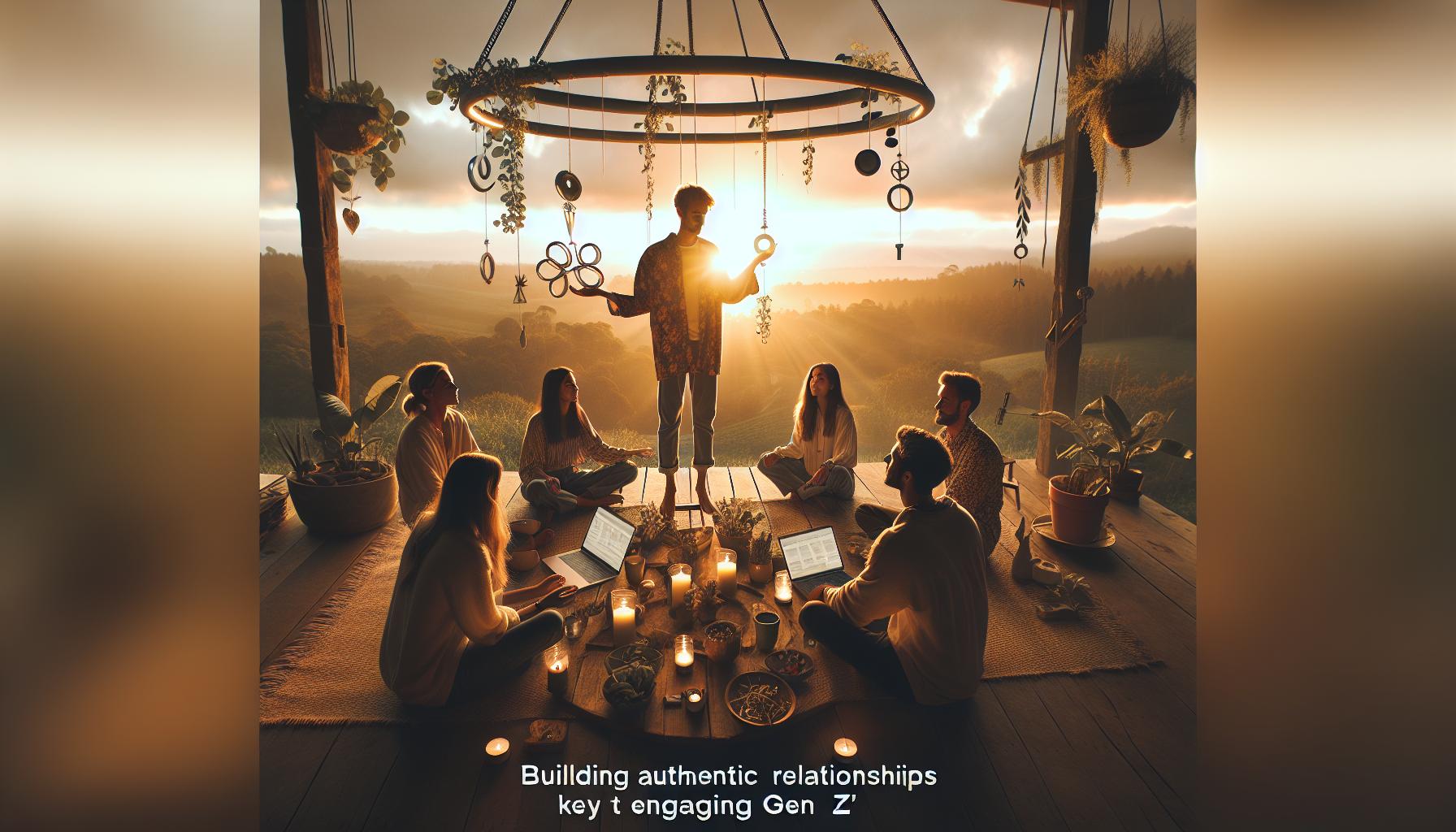
Understanding the Importance of Authentic Connections
Today’s youth, particularly those belonging to Generation Z, value authenticity in relationships more than any previous generation. They have grown up in an era of digital interactions where superficial connections are rampant, making them crave genuine engagement. Building authentic relationships isn’t just a strategy; it’s the foundation of effective youth ministry. When young people feel truly valued and understood, they become more open to exploring faith and spiritual growth.
Strategies for Cultivating Trust and Connection
To effectively engage Gen Z, youth ministries should employ several key strategies:
- Active Listening: Make it a priority to listen to their thoughts and concerns.this not only builds trust but also shows that their opinions are valued.
- Mentorship Programs: Pairing experienced mentors with youth can foster deeper connections. Mentors can provide guidance while sharing their own experiences, which resonates with Gen Z’s desire for relatable role models.
- Authentic Community Building: Create spaces where youth can connect comfortably and share their stories. Organizing small group discussions or community service projects can help establish bonds among participants.
Showing Up Consistently
Another critical factor is being present in their lives consistently.Regular interaction at various levels—be it through social media, school events, or community gatherings—demonstrates commitment. When youth ministers actively show up in both spiritual and everyday contexts, it reinforces a message of reliability and acceptance. This visibility also allows leaders to demonstrate authentic living,encouraging youth to embrace their true selves in a supportive environment.
| Strategy | Description | Impact on Gen Z |
|---|---|---|
| Active Listening | Prioritize understanding their thoughts and feelings. | builds trust and openness to spiritual discussions. |
| Mentorship | Create pairs of youth and experienced mentors. | Fosters deeper connections and relatable guidance. |
| Community Events | Organize social and service projects. | Encourages shared experiences and camaraderie. |
effective youth ministry aimed at connecting with Gen Z hinges on genuine,meaningful relationships. By listening actively, being present, and fostering a supportive community, youth ministers can cultivate an environment where young people feel empowered to express their faith authentically. This approach not only enhances engagement but also nurtures the next generation of spiritual leaders.
Crafting Relevant Messages: Speaking Their Language

Creating Authentic Connections Through Language
To effectively reach Gen Z,it is essential to communicate in a way that resonates with their experiences and values. This digital-native generation thrives on authenticity and relatability. Utilizing their language—slang, memes, and contemporary references—can definitely help bridge the gap between youth leaders and their audience. This is not merely about using trendy terms but about embedding messages within contexts familiar and meaningful to young people. This alignment not only enhances engagement but also fosters trust and community within youth ministry.
Utilize Modern Digital Tools
Incorporating platforms that Gen Z frequents can amplify yoru message’s relevance. Here are some tools that can definitely help:
- TikTok: Leverage short, engaging videos to present your messages in fun and relatable ways. This platform can be particularly effective for sharing testimonies,challenges,or even fast devotionals.
- Instagram Stories: Use polls, questions, and interactive features in stories to create conversations around faith topics that matter to them.
- Planning centre: This tool can definitely help organize events and communications, enabling youth leaders to streamline efforts and focus more on relational aspects of ministry
By using these platforms, youth leaders can craft messages that feel natural and engaging, ensuring that young people see their faith as both applicable and attractive.
Relating to Their Values
When discussing spiritual matters, it is vital to align your messages with the values that matter to Gen Z, such as inclusivity, diversity, and social justice. Highlighting themes related to community support, mental health awareness, and environmental stewardship can create a more relevant dialog. As an example, leaders can address current events or social issues during meetings and draw connections to relevant scripture or church teachings, thereby illustrating how faith intersects with their lives.
| Values of Gen Z | Potential Messaging Themes |
|---|---|
| Inclusivity | Emphasizing community and belonging |
| Diversity | Discussing god’s creation of all people |
| Social Justice | Focusing on service and activism |
| Mental Health | Offering support and resources |
Through this approach, youth leaders can engage both the heart and mind of Gen Z, ensuring that their ministry efforts resonate deeply and foster lasting connections.
Creating Safe Spaces: Encouraging Open Dialogue and Vulnerability

In youth ministry, the ability to cultivate an environment where young individuals feel agreeable sharing their thoughts and emotions is crucial. Studies show that students who feel heard and supported are more likely to engage deeply with their faith.Creating safe spaces not only invites dialogue but also fosters an atmosphere of trust and vulnerability, which is essential in connecting with gen Z. Young people today are navigating a complex world filled with challenges that can impact their spiritual well-being,making it imperative for youth leaders to prioritize open conversations.
To effectively encourage dialogue, youth pastors can implement regular Q&A sessions or open question nights, which serve as platforms where students can freely express their curiosities and fears regarding faith and life. these sessions can take various forms, from casual gatherings in coffee shop settings to structured meetings in church facilities, ensuring that each participant can speak openly about their perspectives. Here are some actionable strategies for facilitating these sessions:
- Establish Ground Rules: Ensure that all participants understand that respect and confidentiality are paramount. This sets the tone for open and honest dialogue.
- Utilize Active Listening: Encourage leaders to listen without interrupting, and to reflect back on what students say to validate their feelings. This not only demonstrates empathy but also encourages deeper sharing.
- Incorporate Interactive Elements: Use tools such as anonymous question boxes or digital apps where students can submit questions prior to meetings. This can definitely help shy individuals contribute without fear.
By prioritizing these strategies within the framework of youth ministry, leaders can create environments where young people feel empowered to engage in discussions about their faith. This not only cultivates personal growth but also builds a sense of community among students as they navigate their spiritual journeys together. The shared experiences during these dialogues can lead to deeper connections, aligning with the overarching goals discussed in the article on youth ministry strategies for connecting with Gen Z.
Utilizing Digital Platforms: Connecting Where They Are
In a world where digital interactions often outweigh face-to-face connections,the importance of utilizing digital platforms in youth ministry cannot be overstated. Today’s youth, particularly those from Generation Z and the emerging generation Alpha, are digital natives. Understanding their online habits provides a unique chance to engage them in ways that resonate with their daily experiences.
Embracing Digital Spaces
Recognizing where young people spend their time online is crucial for effective youth ministry. Platforms like Instagram, TikTok, and Snapchat have become essential avenues for connection. Here are some strategies to effectively engage with these platforms:
- Content Creation: Develop relevant and relatable content that speaks directly to youth experiences, using creative formats such as short videos, memes, and stories.
- Interactive Engagement: Utilize polls, Q&A sessions, and live streams to foster interaction and create a sense of community.
- Authenticity Matters: Encourage leaders and youth to share their own stories and testimonies, leading to genuine conversations that deepen connections.
Implementing Meaningful online Programs
beyond social media, digital platforms also allow for innovative program progress. Virtual Bible studies, Zoom hangouts, and online mentorship programs are effective ways to maintain engagement. When implementing these, consider the following:
- Schedule Adaptability: Offer sessions at varied times to accommodate young people’s busy lives.
- Gamification: Incorporate elements of gaming into discussions or programs to increase engagement and excitement.
| Platform | Engagement Strategy |
|---|---|
| Share visual content and stories to drive discussions. | |
| TikTok | Create fun, relatable content that reflects youth culture. |
| Zoom | host virtual meetings and interactive sessions. |
By effectively utilizing digital platforms, youth ministries can not only meet young people where they are but also cultivate lasting and meaningful connections that encourage spiritual growth and community involvement. It’s about transforming online interactions into meaningful discipleship opportunities.
Empowering Young Leaders: Fostering Ownership in Ministry
Building a Foundation of Trust and Responsibility
Young leaders thrive when they feel empowered and recognized as vital contributors to their community. In today’s youth ministry, fostering ownership among Gen Z is not just an option—it’s essential. This generation, born into a digital landscape yet craving genuine connections, seeks affirmation and a sense of purpose. By actively involving them in decision-making processes within the ministry, you’re not merely giving them tasks; you’re cultivating leaders with a strong commitment to their faith and community.
Practical Steps to Encourage Ownership:
- Involve youth in planning: Organize regular brainstorming sessions where young leaders can voice their ideas on youth activities and outreach programs. this not only validates their input but also helps them feel invested in the outcomes.
- Delegate responsibilities: Assign specific roles such as event coordinators or social media managers. When they have clear responsibilities,they develop a sense of accountability and leadership skills.
- Mentorship opportunities: Pair young leaders with experienced mentors in the ministry. This relationship can provide guidance and support while also allowing for the sharing of skills and knowledge.
Creating a Culture of Feedback
Another crucial aspect of empowering young leaders is establishing a culture of feedback.Providing constructive feedback helps them understand their strengths and areas for improvement, fostering a growth mindset. Encourage open dialogue where they can express their thoughts and feelings about the ministry’s direction and their roles within it.
Incorporating regular feedback sessions can enhance this culture, allowing young leaders to reflect on their experiences and share their insights. Such practices foster an environment where they feel valued and heard,crucial for sustaining their engagement and enthusiasm.
Celebrating Achievements and Milestones
Recognizing and celebrating the contributions of young leaders within the ministry serves as a powerful motivator. Whether it’s through simple shout-outs during meetings or organizing special events to acknowledge their efforts, celebrating achievements inspires continued dedication and instills a sense of belonging.
| Celebration Activity | Impact |
|---|---|
| Monthly recognition awards | Boosts confidence and morale |
| Highlighting stories in newsletters | Encourages others and builds community |
| Team outings to celebrate milestones | Strengthens relationships and bonds |
When promising young leaders see their hard work acknowledged, it further ignites their passion for ministry. Ultimately, empowering Gen Z within youth ministry is not just about providing a seat at the table; it’s about actively engaging them in shaping their spiritual journeys and the community around them.
Addressing Social Issues: Meeting Gen Z’s Concerns with Hope
Engaging with Gen Z’s Social Concerns
Today’s youth,particularly those from Generation Z,are more socially aware and vocal than ever before. With issues such as climate change, systemic inequality, and mental health crises at the forefront of their daily lives, it is crucial for ministries to recognise these concerns as foundational elements in their outreach.To effectively engage Gen Z, youth ministries need to incorporate these social issues into their mission, demonstrating that faith communities are not only spaces for worship but also platforms for advocacy and change.
To meet Gen Z’s concerns with hope, ministries can take a multifaceted approach:
- Education and Awareness: Organize workshops and discussion groups that focus on current social issues. this helps youth not only understand these concerns but also empowers them to take action.
- Community Engagement: Develop service opportunities that connect youth with their local communities—be it through environmental clean-ups, food drives, or support for marginalized groups. This fosters a sense of belonging and purpose.
- open Dialogue: Create spaces for honest conversations around faith and social justice. Allowing Gen Z to express their views on critical matters helps build trust and shows that their voices are valued.
- Partnerships: Collaborate with local organizations that focus on social justice and community service, providing Gen Z with resources and pathways to engage with the issues they care about.
Building Resilience through Faith
Youth ministries must also present faith as a source of resilience in the face of these daunting challenges. Incorporating spiritual practices, such as meditation, prayer, and community service, can help equip Gen Z with the inner strength needed to navigate their concerns. By intertwining discussions about faith with actionable strategies for addressing social issues, ministries can produce a comprehensive framework of support.
Moreover,sharing real-world examples of individuals or groups making a difference can inspire hope. Highlight stories of young activists who are driven by their faith to create change, reinforcing the notion that impactful work does not come solely from established institutions but can emerge from grassroots movements powered by faith-driven youth.By establishing a ministry that recognizes and actively addresses the complex social landscape faced by Generation Z, churches can foster an environment of empowerment, resilience, and hope. In doing so, they not only uphold the core tenets of their faith but also effectively align with the values that resonate deeply with this generation.
Celebrating Diversity: Embracing All Voices in Youth Ministry
Unlocking Potential Through Diverse Perspectives
Understanding the vibrancy and complexity of Gen Z is crucial for effective youth ministry. This generation thrives in a multicultural landscape where diverse voices contribute to community life. Celebrating diversity in youth ministry means recognizing and valuing the unique experiences and backgrounds of every individual. This approach not only fosters inclusivity but also enhances the learning environment,allowing each young person to feel acknowledged and empowered.
Actionable Strategies to Embrace Diversity
Incorporating diversity into your youth ministry can be approached through actionable strategies that engage all voices. Here are some effective methods:
- Themed Events: host events that celebrate various cultures, allowing participants to share their traditions and stories. These can include potluck dinners, cultural festivals, or interactive workshops.
- Story Sharing: Create spaces where youth can share personal narratives. this could be through storytelling nights or digital platforms where they express their journeys, making connections with one another.
- Inclusive Curriculum: Integrate lessons that reflect diverse experiences, incorporating material from wide-ranging cultural backgrounds. This helps Gen Z see their realities represented and valued.
Real-World Examples of Celebrating Diversity
Across the nation, youth ministries are successfully implementing diversity initiatives. For example,a youth group in California organized a “Cultural Exchange Night,” where members prepared customary dishes from their cultures and shared their histories. This initiative not only built understanding but also fostered respect and camaraderie among the youth. Similarly, integrating diversity-focused discussions in weekly meetings can stimulate critical thinking and empathy, essential traits in today’s interconnected world.
| Strategy | Description | Example |
|---|---|---|
| Themed Events | Events that highlight various cultures | Cultural potluck or festival |
| story Sharing | Spaces for personal narratives | Storytelling night |
| Inclusive Curriculum | Lessons reflecting diverse experiences | Workshops on global issues |
By embedding these practices within the framework of youth ministry, leaders can create an environment that not only connects with Gen Z but also champions the richness that diversity brings to faith communities.
FAQ
What is Youth Ministry? Essential Strategies for Connecting with Gen Z?
What is Youth Ministry? Youth ministry is a church-enabled initiative focused on fostering spiritual growth, community, and support for young people, particularly Generation Z. It aims to create meaningful relationships between youth and the church community.
At its core, youth ministry builds connections between the church and *young parishioners*, promoting an atmosphere where youth feel valued and heard. With strategies tailored for Generation Z, which thrives on authenticity and connection, effective youth ministry fosters discussions, engages activities, and makes faith relevant in their everyday lives.
Why does Youth Ministry matter for Gen Z?
Youth ministry matters for Gen Z as it addresses their unique spiritual,social,and emotional needs. This generation seeks *authentic connections* and relevant discussions related to their faith.
By providing a supportive community, youth ministry helps Gen Z navigate challenges such as mental health and peer pressure while reinforcing their faith. An engaging ministry also invites them to actively participate in church activities, creating a sense of belonging and spiritual growth.
How can I connect with Gen Z through Youth Ministry?
Connecting with Gen Z involves understanding their values and interests. Use *interactive methods* like social media, relatable teaching styles, and hands-on projects to engage them meaningfully.
Integrating technology and creating appealing content, such as videos and workshops, can help capture their attention. Active participation in discussions that matter to them shows you value their input, fostering a deeper relationship with the church community.
Can Youth ministry be effective in a digital age?
Yes, youth ministry can be highly effective in a digital age. Implementing *online platforms* and social media allows for greater outreach and connection with Gen Z, who are adept at navigating these environments.
Virtual events, live-streamed services, and online discussion forums enable youth to engage with their faith in diverse ways. Digital tools can also facilitate mentorship and peer support, integral to youth ministry efforts.
What strategies can enhance Youth Ministry engagement?
Enhancing engagement in youth ministry can be achieved through *active participation*, creative programs, and relatable content. Encourage youth to take leadership roles in planning activities and discussions.
Consider incorporating service projects and community involvement to help youth put their faith into action. such experiences not only promote spiritual growth but also create a stronger bond within the community.
How can I evaluate the effectiveness of Youth Ministry?
Evaluating the effectiveness of youth ministry involves seeking *feedback* from participants and measuring their spiritual development over time. Regular surveys and discussions can provide valuable insights into how well the ministry meets the needs of young people.
Tracking attendance,engagement in activities,and participation in church services are also key indicators. By focusing on continuous improvement based on this feedback, ministries can better serve their communities.
What roles do volunteers play in Youth Ministry?
Volunteers are crucial to youth ministry, serving as mentors, leaders, and facilitators. They bring diverse skills and experiences, enriching the program and helping youth feel connected to the church.
Encouraging volunteers to share their testimonies and engage with the youth fosters *authentic relationships* and effective mentoring. Their involvement helps bridge the gap between the church’s mission and the needs of the younger generation.
Wrapping Up
youth ministry is a vital avenue for nurturing the spiritual growth of Generation Z. By understanding their unique characteristics and fostering an environment of trust, we can effectively engage and disciple them. Essential strategies include the creation of volunteer systems that provide spiritual support for leaders, as well as implementing holistic approaches that resonate both online and in person. As we strive to connect with these young hearts and minds, let us remember the importance of authenticity and relational depth in our ministry efforts. We encourage you to explore these strategies further and see how they can transform your approach to youth ministry, fostering a safe and welcoming space for the next generation to grow in their faith. Reach out to others, share experiences, and continue to seek innovative ways to meet Gen Z where they are. Your ministry can make a lasting impact!