
Are your administrative tasks consuming valuable time that could be better spent on ministry work? Streamlining ministry administration is not just a luxury—it’s essential for fostering effective community engagement and spiritual growth. Discover practical hacks too optimize your workflow, enhance productivity, and create a more organized approach to your ministry efforts.
Embracing Technology: Tools to Elevate Ministry Efficiency
Did you know that the right technology can save ministries hours of administrative work each week? With the rapid advancement of digital tools, embracing technology is no longer optional—it’s essential for enhancing the efficiency of your ministry operations.
Optimizing Administrative Tasks with Digital Solutions
The realm of ministry administration can be overwhelming due to its myriad responsibilities, from scheduling events to managing communication. Thankfully, there are potent digital tools designed specifically to streamline these tasks. here are some categories of software that can transform your ministry:
- Church Management Software (ChMS): These platforms centralize member data, streamline event management, and support contribution tracking.Examples include Planning center and Breeze.
- Communication Tools: Apps like Slack and GroupMe facilitate easier communication among staff and volunteers, ensuring that important updates are shared in real time.
- Project Management tools: Utilize platforms like Trello or Asana to organize tasks and collaborations. Create boards for different ministry teams to monitor progress efficiently.
Maximizing Engagement Through Social Media and Content Creation
In today’s digital landscape, maintaining a vibrant online presence is crucial for reaching your community and beyond. Leveraging social media platforms like Facebook, Instagram, and twitter can dramatically increase your engagement. Combine your outreach efforts with content creation tools such as Canva for visually appealing graphics or Hootsuite for scheduling posts.
Here’s a simple table contrasting conventional communication methods with modern digital solutions in ministry administration:
| Traditional Methods | Digital Solutions |
|---|---|
| Printed newsletters | Email newsletters using Mailchimp |
| Phone trees | Text messaging services like Flocknote |
| Paper event sign-ups | Online registration through Eventbrite or Google Forms |
Empowering Volunteers with technology
One of the moast significant aspects of ministry is mobilizing volunteers effectively. Providing them with tools that aid in self-service can greatly enhance participation. As a notable example, platforms such as Planning Center Volunteer can definitely help volunteers select assignments based on their availability, reducing the administrative burden on leaders. Additionally,regular training sessions on these tools can empower your volunteers and foster a more engaged community.
By pinpointing the right technology tools and adopting them into your ministry administration practices, you pave the way for streamlined operations and enhanced engagement. as we continue to explore more ministry administration hacks, remember that the key to effective ministry lies in balancing personal connection and efficient management through technology.
Time Management strategies for Busy Ministry Leaders
Maximizing Efficiency: Time Management for Ministry Leaders
Effective time management is crucial for ministry leaders who juggle multiple responsibilities daily. With an array of tasks ranging from planning sermons to coordinating community outreach,implementing solid strategies can significantly enhance productivity and reduce stress. One vital approach is to prioritize tasks using the Eisenhower Matrix, which categorizes activities into four quadrants based on urgency and importance. By focusing on what truly matters, leaders can allocate their time more effectively, ensuring that essential tasks receive the attention they deserve.
Utilizing tools such as digital calendars and project management software can also streamline workflows. These resources allow ministry leaders to set reminders, create to-do lists, and track progress on ongoing projects.By integrating these tools into their daily routines,leaders can stay organized and maintain focus on their goals. As an example, dedicating specific time blocks in the calendar for administrative duties prevents last-minute scrambles and ensures that each task is completed efficiently.
Another practical strategy involves embracing the art of delegation. Ministry leaders often feel the need to handle every aspect of their work personally,but by empowering team members and volunteers to take ownership of specific tasks,they can free up considerable time. This not only fosters a collaborative environment but also allows leaders to focus on their core responsibilities. Regular team meetings to discuss roles and share updates can keep everyone aligned and motivated,ensuring that the ministry runs smoothly.
Table of Time Management Tools for Ministry Leaders
| Tool | description | Benefit |
|---|---|---|
| Google Calendar | Online calendar for scheduling events and reminders | Helps manage time effectively with color-coded categories |
| Trello | project management tool with boards and cards | Visual management of ongoing projects and tasks |
| asana | Task management tool for team collaboration | Facilitates delegation and tracking of tasks |
| Evernote | Note-taking app for capturing ideas and data | Organizes thoughts and resources in one accessible place |
Implementing these time management strategies will not only streamline processes but will also create a more efficient and fulfilling ministry environment. By prioritizing effectively, leveraging technology, and delegating wisely, busy ministry leaders can navigate their demanding roles with confidence and clarity, ultimately enhancing their leadership impact.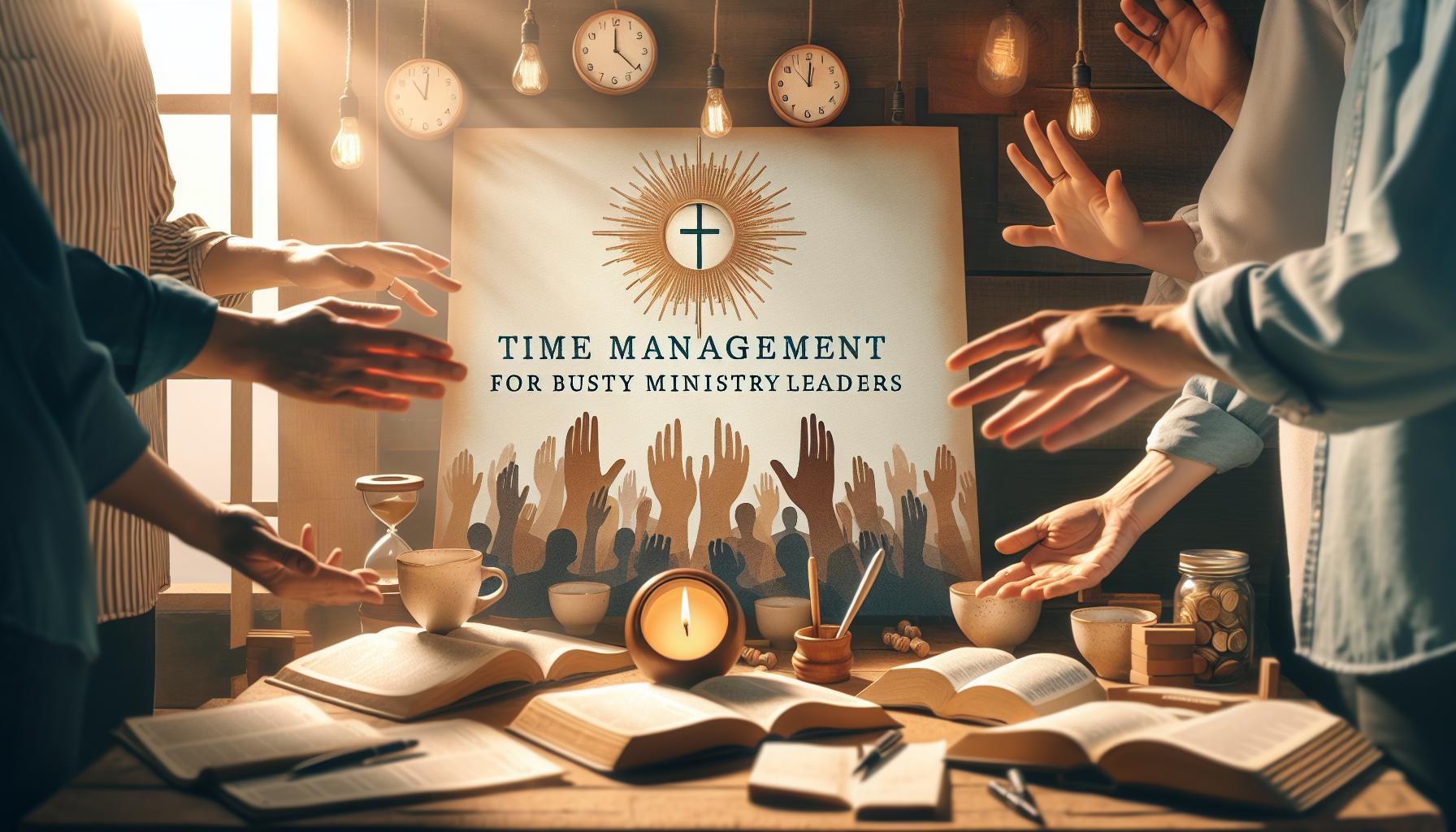
Building Stronger Teams: Communication Hacks for Ministry success
Communication is the lifeblood of any successful ministry, acting as the glue that binds teams together and aligns them toward a common mission. Implementing effective communication strategies can not only enhance relationships within your ministry but also streamline operations and improve overall performance. Whether you’re orchestrating a community event or managing daily operations, understanding how to communicate effectively can significantly impact your ministry’s success.
Practical Communication Hacks for Ministry Success
To foster a thriving team environment, consider these practical communication hacks:
- Regular Check-ins: Schedule weekly or bi-weekly meetings with your team. This provides a platform to discuss ongoing projects, address concerns, and celebrate successes. consistent check-ins build trust and encourage open dialogue.
- Utilize Digital Tools: Embrace technology by using platforms like Slack or Microsoft Teams for real-time communication. These tools keep conversations contextualized and easily accessible, enabling team members to stay informed and engaged.
- Set Clear Expectations: Clearly articulate roles,responsibilities,and deadlines. This clarity reduces misunderstandings and empowers team members to take ownership of their tasks.
- Encourage Feedback: Create an environment where team members feel pleasant providing and receiving feedback. Regularly ask for input on projects and processes,fostering a culture of mutual respect and continuous betterment.
Real-World Example: The Power of Transparency
A ministry struggling with volunteer retention implemented a obvious communication approach by sharing monthly performance metrics and personal stories about the impact of their work. By making information accessible and relatable, they saw a remarkable increase in volunteer engagement. Team members felt valued and informed, leading to a more dedicated workforce and improved morale.
Communication Styles Matter
Understanding that each team member has a preferred communication style is vital for effective collaboration. Encourage team members to share their styles—whether they prefer direct communication, detailed instructions, or a more informal approach. This insight allows teams to strategize their interactions, adapting their methods to suit diverse preferences.
To visualize the variety in communication styles, consider this simple table:
| Communication Style | Description | Best Practices |
|---|---|---|
| Direct | Prefers concise and straightforward messages. | Be clear and to the point. |
| Detailed | Likes thorough explanations and background information. | Provide context and data to support decisions. |
| Casual | Enjoys a relaxed, informal communication style. | Maintain a kind tone and encourage open conversation. |
Employing these communication strategies can transform your ministry administration. By optimizing how your team interacts, you pave the way for achieving greater efficiency and unity, essential for driving your ministry’s mission forward.
Streamlined Processes: How to Organize Your Administrative Work
Did you know that nearly 30% of an average workday is spent on administrative tasks? Streamlining your administrative processes can free up valuable time and resources, allowing ministries and organizations to focus on their core missions. Here’s how you can optimize your administrative work through effective association.
Embrace Digital Tools
In the digital age, leveraging technology is key to enhancing productivity. numerous software tools can definitely help manage administrative tasks more efficiently. Consider the following options:
- Project Management software: Tools like Trello or Asana help track tasks, deadlines, and team collaboration in real-time.
- document Management Systems: Use Google Drive or Dropbox for storing, organizing, and sharing vital documents securely.
- Time Management Applications: Tools such as Toggl or RescueTime can definitely help you analyze how time is spent, making it easier to identify areas for improvement.
By integrating these tools into your ministry administration processes, you can reduce redundant tasks and enhance communication.
Standardize Administrative Procedures
Having standard operating procedures (SOPs) in place can significantly streamline your administration work. By outlining structured processes for common tasks, you ensure everyone on your team knows exactly what to do, thus minimizing errors and improving efficiency.
Develop SOPs for:
- Document processing
- Event planning
- Meeting preparation and follow-up
Such as, if planning an event, have a checklist that includes every step from securing the venue to post-event evaluation. This checklist should be accessible to all team members involved in the process.
Evaluate and Optimize Workflows
Regularly reviewing your workflows can reveal bottlenecks and inefficiencies in your administrative processes. Use the following table to map out your current workflows and identify areas for optimization:
| Task | Current Process | Suggested Improvements |
|---|---|---|
| Meeting Scheduling | Email back and forth | Use scheduling tools like doodle or Calendly. |
| Document Approvals | Manual signatures | Implement e-signature solutions like DocuSign. |
| Communication | Email threads | Adopt team communication platforms like Slack or Microsoft Teams. |
By proactively assessing these frameworks and implementing the suggested changes, ministry administration teams can enhance their overall productivity and effectiveness, making significant strides toward achieving their goals.
Fundraising Made Easy: Tips for Effective Financial Management
Effective financial management is crucial when it comes to fundraising within any ministry or nonprofit organization. By adopting streamlined practices, such as those outlined in Ministry Administration: ministry Administration Hacks—Streamline Your Work, organizations can enhance their fundraising success and maintain better control over their finances. Here are some practical tips to help you manage your resources more effectively while maximizing your fundraising efforts.
Establish a Clear Budget
Creating a well-defined budget is foundational for any fundraising initiative. A clear budget helps you identify potential costs and allocate funds efficiently. Consider including:
- Projected costs for events, marketing, and administrative needs
- Income goals based on prior fundraising efforts
- Contingency funds for unexpected expenses
regularly reviewing and adjusting your budget can also align your financial strategy with evolving objectives, ensuring that your fundraising remains sustainable.
Track Your Progress
Utilize financial management tools or software that align with your fundraising objectives. Platforms like QuickBooks or EasyTithe can assist in tracking donations, expenditures, and overall financial health. Consider implementing the following:
- Set up a dashboard to monitor current fundraising progress against goals.
- Analyze expenditure reports to pinpoint areas for cost-saving.
- Regularly update board members and stakeholders with financial insights to maintain transparency.
Engage Your Supporters
Incorporating your community into your financial management strategy can yield significant dividends.Engaging supporters not only helps to promote your mission but also lays the groundwork for reliable funding. Some methods to foster engagement include:
- Offering various giving options, such as monthly donations or unique fundraising events.
- Creating promotional materials that outline how contributions will be utilized.
- Sharing success stories to demonstrate the impact of donations, enhancing donor trust and loyalty.
| Financial Management Tip | actionable Steps |
|---|---|
| Establish a Clear Budget | Identify costs, income goals, and set aside contingency funds. |
| Track Your Progress | Use financial tools, set up dashboards, and analyze reports. |
| Engage your Supporters | offer various giving options, create promotional materials, and share success stories. |
By implementing these financial management strategies, as inspired by Ministry Administration: Ministry Administration Hacks—Streamline your Work, your organization can not only simplify its fundraising processes but also create a sustainable model for future financial health and growth. This structured approach ensures that every dollar raised functions toward fulfilling your ministry’s mission effectively.
Volunteer Engagement: Maximizing Contributions with Minimal effort
Streamlining Volunteer Engagement for Maximum Impact
Engaging volunteers effectively is essential for any organization looking to maximize contributions while minimizing effort. Today’s volunteers are tech-savvy and expect a streamlined,efficient experience. By leveraging digital tools and strategies,organizations can modernize their approach to volunteer management,ensuring that their contributions are both impactful and satisfying.
Utilize technology to Simplify Processes
Integrating technology into volunteer management can reduce administrative burdens and enhance the volunteer experience. Consider utilizing online platforms for scheduling, training, and communication. This not only streamlines processes but also provides volunteers with the flexibility they expect. Some effective tools include:
- Online Registration: Use digital forms to eliminate paperwork and speed up the onboarding process.
- Communication Tools: Implement chat apps or mailing lists to keep volunteers informed and engaged.
- task Management Software: Assign tasks easily and track progress, ensuring everyone knows their responsibilities.
Establish Clear Roles and Expectations
One crucial aspect of maximizing volunteer contributions is defining clear roles and responsibilities. This clarity not only helps volunteers understand their impact but also encourages accountability. Create a simple guide that outlines the following elements:
| Role | Responsibilities | expected Outcomes |
|---|---|---|
| Volunteer Coordinator | Manage schedules, train volunteers | Optimize volunteer performance |
| Event Volunteer | Assist in event planning and execution | Ensure smooth event operation |
| Outreach volunteer | engage community and recruit new volunteers | Expand volunteer base |
By clarifying these roles, organizations can empower volunteers to take ownership of their contributions while fostering a sense of community and collaboration. When volunteers feel valued and clear about their impact, engagement and retention rates significantly improve.
encourage Feedback and Continuous Improvement
Lastly, establishing a culture of feedback is essential. Regularly soliciting input from volunteers about their experiences enables organizations to identify areas for improvement. Implement simple surveys after events or during regular check-ins to gather insights. This not only helps enhance the program but also makes volunteers feel heard and appreciated, ultimately leading to a more dedicated and effective volunteer team.By embracing these modern strategies highlighted in the context of ministry administration practices, organizations can significantly simplify their volunteer engagement efforts while maximizing the contributions of their volunteers.
Navigating Challenges: Practical Solutions for Common Ministry Hiccups
Every ministry faces its unique set of challenges that can seem daunting to both new and seasoned administrators. From managing volunteer schedules to ensuring effective communication, the intricacies involved in ministry work frequently enough lead to unexpected hiccups. Though, with the right strategies, these challenges can be navigated smoothly, allowing for a more impactful and streamlined operation.
Identifying Common Ministry Challenges
Being proactive in understanding the potential hurdles you may encounter can significantly reduce their impact. Here are some frequent challenges that ministries face:
- Volunteer Management: Coordinating schedules and tasks among volunteers can be complex, often leading to miscommunication and missed opportunities.
- Resource Allocation: Ensuring that resources such as time, funding, and supplies are utilized efficiently is crucial.
- Engagement and Retention: Keeping volunteers and attendees engaged over time requires strategic planning and creativity.
- Effective Communication: information silos and lack of clarity can hinder the growth and functioning of ministries.
Practical Solutions for Everyday Issues
To tackle the aforementioned challenges effectively, consider implementing the following practical solutions:
- Utilize Management Software: Implementing dedicated software solutions can dramatically improve volunteer coordination. Tools like Planning Center or Trello help in organizing schedules, tracking commitments, and ensuring everyone is on the same page.
- Establish Clear communication Channels: Use group messaging apps like Slack or WhatsApp to ensure team members can easily communicate, share updates, and troubleshoot issues as they arise.
- Create a Resource Inventory: Maintain a simple spreadsheet to keep track of available resources—this can definitely help with quick decision-making regarding project needs and fundraising initiatives.
- Feedback Mechanism: Create a structured feedback system where volunteers can share their experiences. This encourages improvement and enhances retention, as team members feel valued and heard.
Example Case: Streamlining Volunteer Coordination
A successful church experienced declining volunteer participation due to scheduling conflicts and lack of clear task assignments. To address this,they introduced a centralized scheduling platform which allowed volunteers to indicate their availability. Additionally, they set up bi-weekly meetings to provide updates and gather feedback. This approach not only increased participation but also fostered a sense of community among the volunteers.
table Summary of Solutions
| Challenge | Solution |
|---|---|
| Volunteer Management | Implement scheduling software |
| Resource allocation | Create a resource inventory |
| Engagement and retention | Establish feedback mechanisms |
| Effective Communication | Use dedicated communication channels |
By incorporating these solutions into your ministry administration framework, you can transform common challenges into opportunities for growth, ensuring that your operations run smoothly and effectively. Embracing technological tools and fostering a culture of open communication will arm your ministry with the agility to navigate any setbacks that may arise.
Creating a Lasting Impact: The Role of vision in Ministry Administration
The Power of Vision in Ministry Administration
Every successful ministry begins with a clear vision. Without a defined purpose or direction,efforts can become fragmented,diluting the impact intended by its administration. Vision serves as the guiding star, helping leaders prioritize actions, allocate resources effectively, and inspire their teams. This clear vision encapsulates the core mission, allowing every individual associated with the ministry to align their daily work with overarching goals. In this way, vision not only defines the ministry’s trajectory but also serves as a powerful motivator.
Aligning Efforts Through Clear Objectives
Creating a lasting impact in ministry administration requires translating the broad vision into specific, actionable objectives. By breaking down the overarching vision into smaller, measurable goals, leaders can establish clear paths for achievement. Here are some actionable strategies to implement vision effectively in your ministry:
- Regular Vision Workshops: Facilitate workshops to revisit and refine the ministry’s vision. This empowers team members to contribute their perspectives, further deepening engagement.
- SMART Goals: Develop Specific, Measurable, Achievable, Relevant, and Time-bound objectives that align with the vision. This framework ensures clarity and accountability.
- Feedback Loops: Create mechanisms for feedback where team members can communicate their experiences about how closely their work is aligning with the vision.
By regularly checking in on the ministry’s vision and objectives, leaders can ensure that administrative efforts remain streamlined and focused. For instance, a church that aims to double its community outreach efforts might set quarterly targets for volunteer recruitment, event participation, and event feedback. This approach helps maintain motivation and accountability for every member involved.
Engaging Stakeholders with a shared Vision
Effective ministry administration is not just about internal organization; it’s also about fostering relationships with stakeholders—congregation members, volunteers, and the larger community. Engaging these stakeholders around a common vision fortifies commitment and enthusiasm. Consider the following approaches:
- Communicative Transparency: Share the vision through newsletters, social media, and community meetings. Keeping stakeholders informed builds trust and buy-in.
- incorporating Feedback: actively seek input from your congregation on how the vision intersects with their needs and aspirations. This can drive greater involvement and investment in shared goals.
- Celebrating Milestones: Recognize and celebrate advancements towards vision-related goals, creating a sense of accomplishment and communal pride.
Creating a shared understanding of the vision ensures that everyone feels part of something greater. For example, if your ministry’s vision focuses on uplifting local families, consider hosting community forums where families can express their needs, making them active contributors to the ministry’s work.
Ultimately, vision drives clarity in ministry administration, ensuring that leaders and stakeholders move forward effectively. When everyone is aligned, and their efforts resonate with the shared vision, the ministry is set on a path to create a lasting impact in its community.
Faq
What is Ministry Administration: Ministry Administration Hacks—Streamline Your Work?
Ministry Administration: Ministry Administration Hacks—Streamline Your Work refers to practical strategies and tools that help streamline the administrative tasks of church leaders and staff. These hacks aim to enhance efficiency, reduce burnout, and focus more on ministry.
Effective ministry administration can transform how congregations manage programs, resources, and communication. By implementing smart strategies—like using management software or scheduling tools—church leaders can devote more time to spiritual care instead of bureaucratic tasks. Explore more on effective ministry management to enhance your understanding.
How can I streamline my ministry administration tasks?
You can streamline your ministry administration tasks by adopting digital tools, automating repetitive processes, and organizing information efficiently. Focus on resources that support your specific needs, whether it’s volunteer management or financial tracking.
for instance, using church management software can help with scheduling, attendance tracking, and communication with members. Consider setting aside regular time to assess what tasks can be automated, freeing you to engage more deeply in ministry work.
Why does effective ministry administration matter?
Effective ministry administration matters because it directly impacts your ability to serve your community. When administrative tasks are handled well, it allows leaders to spend more time on pastoral care and less on logistics.
This not only benefits church staff but also enriches the congregation’s experience. When administration is streamlined, members feel more connected and engaged, which ultimately supports the growth and health of the church body.
can I use technology to improve my ministry administration?
Absolutely! Utilizing technology is one of the best ways to improve your ministry administration. tools such as church management software,cloud storage,and communication platforms can simplify many tasks.
For example, project management tools enable teams to collaborate on events seamlessly. By integrating technology into your administrative practices, you can enhance productivity and ensure that everyone remains aligned on goals and responsibilities.
What are some common ministry administration hacks I can implement?
Some common ministry administration hacks include using calendar apps for scheduling, automating email communications, and employing online volunteer sign-up sheets. These tools can save time and reduce the stress of managing day-to-day operations.
As a notable example, integrating a calendar app with reminders can definitely help keep everyone informed about upcoming meetings and events, while automating reports can track volunteer hours effortlessly. Exploring these and other ministry hacks can enhance your overall efficiency.
How do I manage volunteer coordination effectively?
Managing volunteer coordination effectively involves clear communication, consistent scheduling, and recognition of their contributions. Utilize volunteer management software to keep track of schedules and contact information.
Additionally, establishing regular check-ins can foster strong relationships and ensure that volunteers feel valued. Recognizing their hard work through thankfulness events also leads to sustained engagement and commitment.
What resources are available for church administration support?
Various resources for church administration support include online courses, templates for forms, and community forums. many denominations also provide training materials tailored to specific administrative functions.
Furthermore, joining networks of other church administrators can offer practical insights and encouragement. Sharing experiences allows leaders to learn from one another and adopt different administrative best practices that resonate with their unique ministry context.
In conclusion
As we conclude our exploration of Ministry Administration Hacks, let’s reflect on the invaluable tools and strategies that can help streamline your work. We’ve uncovered practical tips to enhance communication, optimize time management, and foster collaboration within your ministry. By implementing these insights, you can alleviate some of the burdens that come with administrative tasks, allowing you to focus more on your calling and the mission of your ministry.
Remember, the journey of church administration can be challenging, but it is also a vital stewardship of the resources and peopel entrusted to you. Keep striving for efficiency and effectiveness in your work, and embrace the gift of creativity that God has given you in addressing these challenges.
We encourage you to explore these concepts further, share your experiences, and connect with others in ministry. Every small change you make can lead to significant improvements in your service. Together, let’s continue to grow in our commitment to serving with joy and purpose. Your role is crucial, and with the right tools, you can make a profound impact within your community.