Are you feeling overwhelmed in your ministry work, struggling to maintain your passion and effectiveness? Ministry retreats offer a vital possibility to step back, recharge, and gain fresh perspectives. These intentional breaks not only enhance personal well-being but also empower leaders to make a more significant impact in their communities.
The Importance of Taking Time Away: Why Ministry Retreats Matter

The Transformative power of Ministry Retreats
Many leaders in faith-based organizations underestimate the profound impact that taking time away can have on their ministry.In today’s fast-paced world, the demands of church leadership, community service, and pastoral care can be overwhelming. Ministry retreats provide a vital opportunity for leaders to step back, recharge their spirits, and refocus their vision. this intentional pause in routine not only fosters personal growth but also enhances the effectiveness of ministry efforts.
Why Ministry Retreats Are Essential
The benefits of participating in ministry retreats are multifaceted. Here are some compelling reasons to prioritize these vital experiences:
- Spiritual Renewal: Retreats create space for spiritual reflection and prayer, allowing leaders to reconnect with their mission and purpose.
- Community Building: Spending time with fellow ministry leaders fosters a sense of camaraderie, encourages networking, and builds support systems.
- Strategic Planning: Stepping away from daily distractions enables clearer thinking and innovative planning for future ministry initiatives.
- Personal Well-being: The mental and emotional benefits of a retreat can combat burnout, reduce stress, and improve overall job satisfaction.
Practical Steps for Leadership Impact
Incorporating regular ministry retreats into the calendar can transform an organization’s leadership approach. Here are actionable steps to consider:
| Step | Description |
|---|---|
| Identify Needs | Conduct surveys or hold discussions to understand what leaders hope to gain from a retreat. |
| Set Goals | Establish clear outcomes for the retreat,whether it’s spiritual renewal,planning,or team-building. |
| Choose a Location | Opt for a quiet, inspiring habitat that encourages reflection and interaction. |
| Engage a Guide | Consider bringing in a facilitator to lead sessions and provide structure. |
| Implement Follow-up | After the retreat, schedule follow-up meetings to ensure plans and insights are applied effectively. |
By fully embracing the value of ministry retreats, organizations can cultivate stronger, more resilient leaders who are better equipped to fulfill their calling. Exploring spiritual depth among peers can yield insights and rekindle passion, ultimately paving the way for a greater impact in the lives of their communities.
Crafting the Perfect Retreat: Key elements for a Meaningful Experience

Elements to consider for an Impactful Retreat
Creating a retreat aimed at fostering personal and collective growth requires thoughtful consideration of several key elements. Retreats designed for ministry should serve as a sanctuary for participants, enabling them to step away from daily pressures and focus on rejuvenation and spiritual enrichment. Here are pivotal components to consider:
- Purpose and Goals: Clearly define the intent of the retreat. Whether the focus is on spiritual renewal,strategic planning,or community building,having a well-articulated purpose will guide all activities and discussions.
- Location: Choose a serene and inspiring environment that complements the retreat’s purpose. Consider venues that offer natural beauty, quietness, and opportunities for reflection. Locations with a spiritual importance or past relevance can enhance the experience.
- Engaging Speakers: Incorporate educated speakers or facilitators who can lead discussions or workshops that resonate with the theme. Their insights can provided depth and provoke thought, encouraging participants to engage more meaningfully.
- Activities and Agenda: Balance structured activities with unstructured time for personal reflection. Incorporate a variety of formats—such as workshops, group discussions, prayer sessions, and outdoor activities—to cater to different learning styles. Make room for flexibility in the schedule to accommodate the group’s needs.
- Group Dynamics: Foster an environment where participants feel safe to share and connect. Use icebreakers and team-building exercises to enhance rapport. This teambuilding can lead to deeper discussions and a stronger sense of community throughout the retreat.
The Importance of Aftercare
Planning should also extend beyond the retreat itself. To amplify the retreat’s impact, implement post-retreat follow-ups. This could include:
| Post-Retreat Activity | Purpose |
|---|---|
| Group Debrief | Encourage participants to share insights and action steps gathered during the retreat. |
| Follow-Up Meetings | Provide accountability and space for further exploration of retreat themes and goals. |
| Resource Sharing | disseminate materials and resources discussed during the retreat to reinforce learning. |
| Continued Engagement | Regular check-ins or group discussions can keep the momentum going and build on connections made during the retreat. |
Equipping participants with resources and support post-retreat ensures that the insights gained will resonate far beyond the event itself. By carefully crafting a retreat experience, ministry leaders can help attendees recharge and refocus, ready to make a greater impact in their communities.
Finding God in Stillness: Spiritual Practices to Embrace During Your Retreat
Finding moments of stillness can profoundly enhance one’s spiritual journey, especially during ministry retreats designed to recharge and refocus for greater impact. Engaging in specific spiritual practices during these peaceful intervals allows for deeper connection with god, fostering a sense of tranquility and purpose that can be carried beyond the retreat experience.
Embracing Mindfulness and Meditation
One of the most effective ways to cultivate stillness is through mindfulness and meditation. These practices encourage individuals to ground themselves in the present moment, focusing on their breath and thoughts without judgment. By dedicating a few minutes each day to sit quietly,participants can create a sacred space for reflection and connection. This not only enhances spiritual clarity but also provides a respite from the frenetic pace of daily life. To get started,consider these simple steps:
- Find a quiet spot in your retreat setting.
- Close your eyes and take several deep, calming breaths.
- Focus on the sensation of your breath entering and leaving your body.
- Allow thoughts to come and go without engaging, gently returning to your breath.
Journaling as a Spiritual practice
Journaling can be an enlightening practice during ministry retreats. By putting thoughts and feelings into words, individuals can discover insights about their spiritual path and experiences. This practice encourages self-examination and a deeper understanding of one’s relationship with God. Here are ways to integrate journaling into your retreat:
- Reflective Questions: Begin each journaling session with open-ended questions, such as ”What is God teaching me in this moment?” or “What fears am I releasing?”
- Gratitude Lists: Write down things you are grateful for, fostering a spirit of thankfulness that cultivates joy and connection with God.
- Scripture Reflection: Choose a verse or passage to meditate on and write your interpretations and insights.
Nature Walks and Spiritual Connection
Connecting with nature can be profoundly healing and spiritually enriching. A quiet walk in a natural setting during your retreat allows participants to appreciate God’s creation and reflect on their own life’s journey. Integrating this practice into your time away can be invigorating.
- Take time to walk barefoot on grass or sand, experiencing the earth beneath you.
- Observe the beauty of the surroundings—trees, flowers, and wildlife—as a reminder of God’s presence.
- Use this time to pray or reflect on specific personal or community needs.
By incorporating these spiritual practices into your ministry retreat, you create a space conducive to finding God in stillness—a vital component for recharging and refocusing for greater impact within your ministry. Each approach serves as a tool,guiding you to nurture your spirit and deepen your connection with the divine.
Building Community: The Role of Connection and Fellowship in Retreats
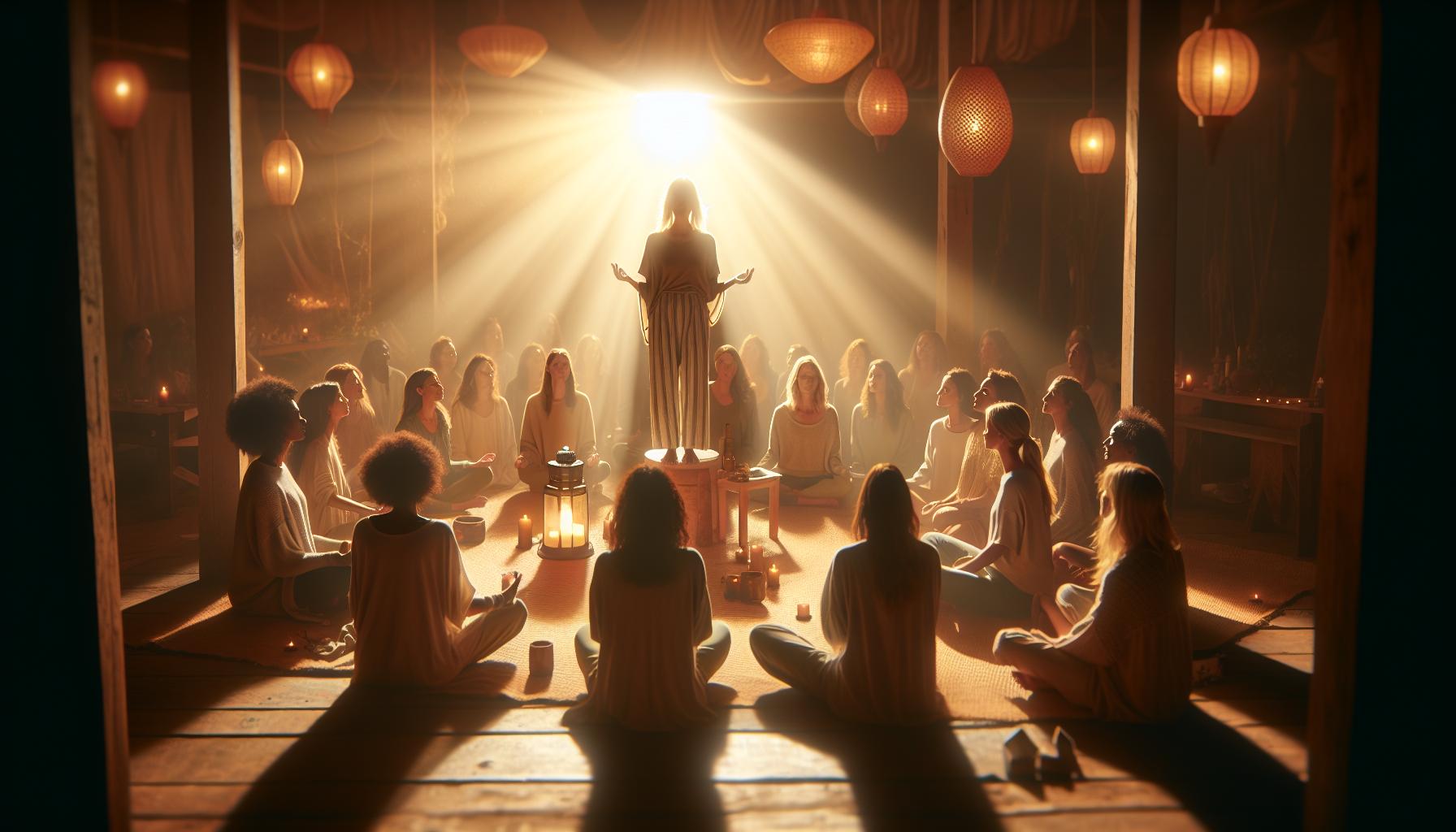
Creating Connections Through Shared Experiences
In the hustle and bustle of today’s ministry work, the value of connection often gets overshadowed by the urgent demands of daily responsibilities. Though,ministry retreats serve as a critical space for fostering genuine relationships among participants. These immersive experiences not only provide a break from routine but also pave the way for deeper fellowship as attendees share their stories, struggles, and joys. Retreats allow individuals to step back from their roles and reconnect with the essence of their mission, igniting relationships that can transform their spiritual journeys.
The Impact of Shared time and Reflection
Shared activities during retreats—whether they are workshops, discussions, or worship sessions—cultivate an environment of vulnerability and trust. This environment encourages participants to explore common challenges and celebrate victories together. Engaging in reflective practices, such as group prayer or meditation, helps foster a sense of unity, drawing everyone closer together. As connections deepen,participants often leave with a renewed sense of purpose and a powerful support network that extends beyond the retreat.
- Strengthens Relationships: Meaningful interactions lead to lasting bonds.
- Encourages Vulnerability: A safe space empowers sharing of experiences.
- Builds Community: Participants return to their ministries as a cohesive unit.
Actionable Steps to Enhance Connection
To maximize the benefits of fellowship during retreats, consider implementing the following strategies:
- Facilitated Group Activities: Include icebreakers and team-building exercises that promote interaction.
- Small Group Discussions: Break larger groups into smaller clusters for candid conversations and sharing.
- Post-Retreat Support: Create follow-up groups or dialog channels (e.g., WhatsApp or facebook groups) to continue the conversation.
By prioritizing connection and fellowship at ministry retreats, attendees not only recharge and refocus for greater impact but also build a robust community rooted in shared faith and mutual support. these relationships are invaluable, providing encouragement and collaboration well beyond the walls of the retreat space.
Setting Goals: How to Define Your Focus and Intentions
Engaging in purposeful goal setting is essential for anyone looking to amplify their impact, especially in a ministry setting. When you define your focus and intentions, you create a roadmap that guides you through the complexities of your mission and helps clarify the changes you wish to see. Take the time to reflect on what you want to achieve during your ministry retreats and beyond, as this clarity can lead to more intentional actions.
Understanding Your Intentions
Begin by asking yourself what truly matters in your ministry. This involves a deep dive into your core values and the overarching mission that drives your work. Consider these key questions:
- what are the primary challenges facing my community?
- which aspects of my ministry could benefit most from focused attention?
- What success looks like for me and my team at the end of this journey?
Writing down your responses can help solidify your focus. This process not only clarifies your intentions but also makes it easier to set specific, actionable goals that align with your vision.
Setting SMART Goals
Once you’ve identified your core intentions, translate them into specific goals using the SMART framework—meaning your goals should be Specific, Measurable, Achievable, Relevant, and Time-bound. This structured approach ensures that your aims are not just dreams but actionable pursuits that can be tracked and adjusted as necessary. Such as:
| Goal Aspect | Example |
|---|---|
| Specific | Increase community engagement through workshops. |
| Measurable | Host 5 workshops over the next 6 months. |
| Achievable | Utilize existing resources and volunteers. |
| Relevant | Aligns with our mission to foster community connections. |
| Time-bound | Complete by the end of the calendar year. |
Implementing the SMART criteria not only clarifies your intentions but also simplifies the tracking of progress, making adjustments as needed to stay aligned with your focus.
Creating an Action Plan
After solidifying your goals, the next step is to develop a practical action plan. Break down each goal into smaller tasks that can be spread across timelines. This step-by-step approach allows you to tackle larger objectives without feeling overwhelmed. Assign responsibilities to team members to foster accountability and keep the energy levels high. Consider regular check-ins during your ministry retreats to assess progress, share insights, and celebrate milestones.
by clearly defining your focus and intentions with actionable goals, you prepare yourself and your ministry for greater impact. The reflection and preparation time during retreats offer fertile ground for transforming ideas into reality, enabling your team to emerge revitalized and ready to engage meaningfully with your community.
Practical Tips for Planning a Successful Ministry Retreat
Organizing a ministry retreat can be a game-changer for both personal rejuvenation and strategic refocusing. To maximize the impact of your retreat, thoughtful planning is crucial. Here are some practical tips to help you create an environment that fosters both spiritual growth and effective ministry planning.
Define your Objectives
Begin with clarity regarding the goals of your retreat. Are you focused on team building, spiritual renewal, or strategic planning? Pinpointing specific objectives can help tailor the retreat’s agenda. Consider using a table to outline your goals alongside corresponding activities.
| Objective | Activity | Outcome |
|---|---|---|
| Spiritual Renewal | Meditation and Prayer Sessions | Enhanced personal connection with God |
| Team Building | Group Challenges | Improved collaboration among members |
| Strategic Planning | Vision Casting Workshops | Clear action steps for future initiatives |
Select the Right location
Choosing an appropriate venue can significantly influence the retreat’s atmosphere. Look for places that are serene and free from daily distractions. Nature retreats frequently enough provide the tranquility necessary for reflection and planning. When considering locations, prioritize accessibility, accommodation quality, and the facilities available for group activities.
Engage Participants in the Planning Process
to ensure buy-in and investment,involve retreat participants in the planning stages. conduct surveys or brainstorming sessions prior to the event to capture their needs and suggestions. This collaborative approach can also boost morale and foster ownership of the retreat’s goals.
Design a balanced Agenda
A well-structured agenda should blend structured activities with downtime. Ensure that there’s ample space for both discussions and personal reflection or fun. here’s a suggested breakdown for a typical ministry retreat day:
- Morning: Opening Devotion and Group Prayer
- Mid-Morning: Workshops/Seminars
- Lunch: Fellowship and informal discussions
- Afternoon: Team-Building Activities
- Evening: Group Reflection and Devotion Time
By adhering to these practical tips when planning your ministry retreats, you can create an enriching experience that not only recharges participants but also aligns the team around a shared vision for greater impact.
Overcoming Obstacles: Navigating Challenges Before and During Your Retreat
Embarking on a ministry retreat can feel like a daunting task, especially when faced with the unique challenges of planning and execution. The desire for renewal and purpose can easily be overshadowed by the logistics and concerns that come with organizing a retreat. However,effectively navigating these hurdles can lead to a rewarding experience that rejuvenates your spirit and fortifies your ministry.
Identifying Pre-Retreat Challenges
Before the retreat even begins, it’s crucial to anticipate potential obstacles that may arise. From budgeting constraints to scheduling conflicts,acknowledging these challenges early on can help mitigate their impact. Here are some common issues to prepare for:
- Financial Limitations: Budgeting for a retreat can be tricky. secure funding through donations or sponsorships, or consider lower-cost venues.
- Time Management: coordinating schedules among participants can be complex. Send out a doodle poll or similar surveys to find optimal dates.
- Logistics: Ensure all logistics, from transportation to accommodation, are clarified well in advance to avoid last-minute surprises.
Strategies During the Retreat
Once the retreat is underway, new challenges can emerge that require immediate attention. Being flexible and ready to adapt will enhance the overall experience for participants. Here are some strategies to address issues as they arise:
- Communication: Maintain open lines of communication among all attendees.Create a group chat for instant updates and support.
- Flexibility: Be prepared to adjust the schedule if certain activities are not resonating with participants. Adaptations can enhance engagement and satisfaction.
- Conflict Resolution: If disagreements arise, facilitate discussions that encourage understanding and compromise. Having a mediator can also help.
Sample Retreat Planning Table
The following table outlines a simple timeline for planning your ministry retreat, allowing you to visualize key milestones:
| Timeframe | Action Item | Responsibility |
|---|---|---|
| 3-6 Months Prior | Define retreat goals and budget | Planning Committee |
| 2 Months Prior | Finalize location and send invitations | Logistics Coordinator |
| 1 month Prior | Confirm all bookings and arrangements | Team Leader |
| 1 Week Prior | Prepare materials and confirm agenda | All teams |
| During Retreat | Facilitate sessions and adjust as needed | All Leadership |
Embracing the complexities of organizing and conducting ministry retreats not only strengthens the faith community but also helps individuals forge deeper connections with their purpose. By leveraging proactive planning and responsive measures, you can navigate obstacles seamlessly, ensuring that your retreat serves as a powerful tool for recharging and refocusing for greater impact.
Sustaining Momentum: Translating Retreat Insights into Everyday Ministry Work
Creating a Bridge from Retreat to Reality
After the invigorating energy of a ministry retreat, the challenge arises: how do we maintain that momentum in the everyday hustle of ministry work? Taking the insights gained during these transformative experiences and integrating them into daily practices is crucial for sustaining spiritual growth and enhancing community impact. It’s not enough to simply reflect on what was learned; proactive steps must be taken to incorporate these revelations into actionable plans.
- Set Clear Goals: Begin by outlining specific, measurable goals that stem from retreat discussions. These could involve personal growth objectives, community outreach initiatives, or team development strategies that align with the mission of your ministry.
- Regular check-ins: Schedule regular follow-up meetings with your team to discuss progress on these goals. Allow for adjustments and encourage open communication to foster accountability and collective ownership.
- Adapt Resources: Utilize resources from the retreat—such as speakers’ reflections, workshop content, or group activities—to create engaging material for ongoing sessions or sermons. This could involve developing discussion guides or creating devotional materials that echo the retreat themes.
Embedding Insights into Team Culture
To truly embed retreat insights into your ministry, it’s essential to cultivate a culture that values continuous learning and adaptation. One effective approach is using team-building exercises that reinforce the key themes discussed during the retreat. For example, if collaboration emerged as a significant focus, regularly practice team brainstorming sessions or problem-solving workshops that allow for creative ideas to flow freely.
Moreover,consider setting up a mentorship program where experienced leaders guide newer members in implementing the strategies discussed. This not only fosters the growth of your ministry but also ensures that insights gained during retreats are shared and utilized effectively across the team.
Tracking Progress and Celebrating Wins
Implementing an evaluation system can help in tracking the effectiveness of translating retreat insights into practical ministry work.
| Goal | Action Steps | Progress Indicator | Festivity Milestones |
|---|---|---|---|
| Engage with the Community | Monthly service events based on retreat themes | Number of participants and feedback collected | Host a gathering to celebrate community engagement |
| Spiritual Growth | Weekly group discussions based on retreat topics | Participation rate and engagement levels | Acknowledge personal growth stories during team meetings |
By routinely evaluating progress and celebrating small victories, you create an environment where retreat insights continue to bear fruit, promoting sustained enthusiasm and commitment among ministry team members.Embracing an ongoing journey, rather than viewing the retreat as a one-off event, ensures that the impact of these gatherings permeates everyday ministry work for lasting transformation.
Q&A
What are Ministry Retreats: Recharge and Refocus for Greater Impact?
Ministry retreats are dedicated times set aside for spiritual renewal, focused reflection, and community building. They allow ministry leaders to recharge spiritually and mentally, leading to a more effective impact in their communities.
These retreats often include activities like prayer, worship, and group discussions, fostering a supportive environment where leaders can share experiences and challenges. Engaging with scripture during these retreats can deepen understanding and strengthen resolve, making them invaluable for ministry effectiveness and personal fulfillment.
Why does attending a Ministry Retreat matter?
Attending a ministry retreat is essential for long-term success as it provides an opportunity for leaders to step back from their hectic schedules,gain fresh perspectives,and reconnect with their mission. This time away can reduce burnout and enhance overall well-being.
Participants often experience renewed passion and clarity about their vision and goals. Additionally, ministry retreats can foster deeper connections with peers, encouraging collaboration and support, which is crucial for sustaining effective ministry work over time.
Can I organize a Ministry Retreat for my team?
Yes, you can organize a ministry retreat for your team! Start by defining the purpose of the retreat and the specific outcomes you aim to achieve. Gather input from team members to ensure the retreat is relevant and engaging.
Consider logistics like location, duration, and activities that align with your ministry’s focus. Integrating guided discussions and shared worship times will help create a conducive environment. For more tips on planning retreats, explore our detailed guide on planning successful ministry retreats.
How often should we have Ministry Retreats?
Ministry retreats should ideally be held at least once a year, though more frequent retreats can be beneficial, depending on your ministry context. Regular retreats help to maintain focus,rejuvenate spirits,and address challenges collectively.
Consider scheduling retreats during low-pressure seasons or after significant events, allowing leaders to process experiences and set new goals. Customizing the frequency based on team dynamics and workload can optimize these valuable times of reflection and renewal.
What activities are typically included in Ministry Retreats?
Ministry retreats often include a variety of activities designed to nurture spiritual renewal and team bonding. Common elements include prayer sessions, worship music, group discussions, and reflective journaling.
Additionally, outdoor activities or creative workshops can facilitate deeper conversations and promote relaxation. The key is to create a balance of structured activities and free time, allowing participants to engage in personal reflection and connection with God.
What are the benefits of Ministry Retreats for leaders?
Ministry retreats offer leaders numerous benefits, including spiritual renewal, improved mental clarity, and enhanced relationships with peers. This time away from daily demands allows leaders to reflect on their purpose and calling.
Connecting with God through focused prayer and worship reinstates leaders’ passion. Moreover, hearing from others can bring fresh insights and strategies, reinforcing a sense of community and shared mission, which is vital for longevity in ministry.
Why do some people hesitate to attend Ministry Retreats?
Some individuals may hesitate to attend ministry retreats due to busy schedules, feelings of inadequacy, or misconceptions about the retreat experience.They may worry that stepping away from responsibilities could negatively impact their work.
However, taking time for spiritual rejuvenation can lead to longer-term benefits for both leaders and their ministries. Addressing these concerns through clear communication about the retreat goals and structure can alleviate apprehensions and encourage participation.
how can I make the most of my ministry Retreat experience?
To maximize your ministry retreat experience, come with an open heart and clear intentions. Set personal goals for what you wish to achieve during the retreat,whether it be spiritual growth,team building,or personal reflection.
Engage actively in activities and discussions, and take time for solitude and prayer.Embrace the opportunity to connect with God and fellow leaders, as these relationships can provide ongoing support long after the retreat ends.
Key Takeaways
As we conclude our journey through the transformative power of ministry retreats, remember that these sacred spaces offer more than just a break; they provide an opportunity to recharge and refocus your spirit, ultimately leading to greater impact in your community. By stepping away from the daily grind, you can reconnect with God, clarify your mission, and rejuvenate your passion for ministry.Whether you’re seeking solitude, fellowship, or a chance to deepen your understanding of scripture, pursuing a retreat can be a key step in nurturing your spiritual life. Embrace the invitation to pause,reflect,and listen for God’s voice in your heart.
We encourage you to explore different retreat options, share your experiences with fellow ministers, and cultivate a practice that sustains you amidst the challenges of ministry. Remember, taking time for yourself is not just beneficial, but essential for the work you are called to do. May your journey lead to deeper faith, renewed purpose, and an enduring impact for God’s kingdom.