

In an era where digital engagement is paramount, how can faith leaders effectively connect with their congregations? Embracing innovative technology is crucial for modern ministry, enhancing communication, outreach, and community building. By leveraging digital tools, ministries can foster deeper connections and extend their reach far beyond traditional walls, making faith more accessible in today’s world.
Embracing Change: Why Technology Matters in Today’s Ministry
In a world where nearly 4 billion people are active on social media,the church cannot afford to remain disconnected from the technological advancements that shape how we communicate,create community,and spread messages of faith.The integration of technology in ministry isn’t merely a trend; it’s a fundamental shift toward enhancing engagement and outreach. By embracing the digital landscape, ministries have the unique possibility to reach wider audiences, foster deeper connections, and revitalize community participation.
Transforming Communication
Effective communication is the backbone of ministry. Technology allows for instantaneous interaction that was once unimaginable. Consider these digital tools that can enhance your ministry communication:
- Social Media Platforms: Utilize platforms like Facebook and Instagram to share inspiring content, sermon snippets, and community events, allowing real-time engagement with congregants.
- Email Newsletters: Regular newsletters can keep your audience updated and spiritually enriched with devotionals, upcoming events, and church news.
- Live Streaming: Services streamed online can engage local and distant congregants alike, ensuring no one misses out on the worship experience.
Building Community Through Technology
The potential of ministry technology extends beyond communication into building a vibrant community. By leveraging tools such as dedicated church apps or community management platforms,ministries can:
- Facilitate Interaction: Create forums for group discussions,prayer requests,and support,allowing members to connect over shared faith,especially during challenging times.
- Manage Events Seamlessly: Tools like Eventbrite or church management systems help organize and promote church events more effectively, leading to higher attendance and participation.
- Encourage Volunteer Opportunities: Use online platforms to connect volunteers with ministries that need support, making it easier to find opportunities that match their skills and passion.
| Technology Tool | Benefits |
|---|---|
| Social Media Platforms | enhances outreach and community engagement |
| Email Newsletters | Keeps congregants informed and spiritually engaged |
| Live Streaming | Bridges the gap between the church and remote congregants |
| Event Management Tools | Select and organize events with ease for better participation |
Incorporating technology into ministry doesn’t require an extensive budget or a tech-savvy team; it demands a willingness to innovate and adapt to today’s digital environment. Ministries can start small by exploring free platforms and gradually implementing more advanced tools. The key is to remain open and flexible, ensuring that technology meets the unique needs of your community and enhances the ministry’s mission. As technology continues to evolve, fostering a culture of change will empower ministries to thrive in the modern landscape.
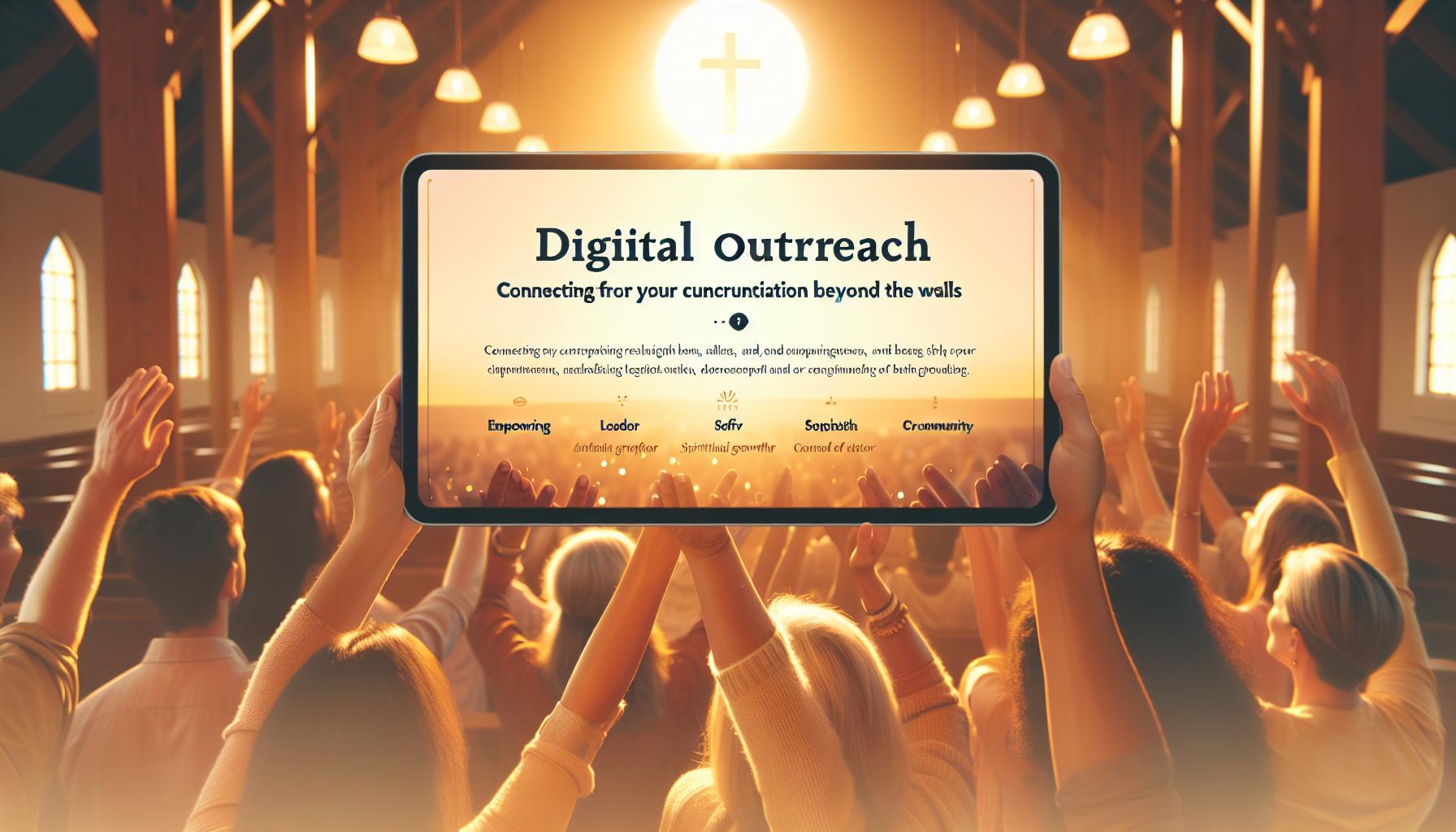
Digital Outreach: Connecting with Your Congregation Beyond the Walls
A staggering 80% of church attendees believe that their congregations coudl benefit from more robust digital communication strategies. In today’s interconnected world, digital outreach enables ministries to break traditional barriers and reach congregants where they are, fostering engagement and community beyond the church walls. Embracing ministry technology not only enhances your church’s online presence but also facilitates meaningful connections through various digital platforms.
Utilizing Social Media for Engagement
social media is a powerful platform for fostering connections and sharing church messages.By leveraging tools like Outreach’s library of 3,500+ social media images and videos, churches can maintain a consistent online presence without the need for complex graphic design skills.Automated posting services can also save valuable time while keeping your congregation informed and engaged.
- Share weekly sermon themes and insights.
- Post prayer requests and testimonials to build community.
- Engage with members through live Q&A sessions on platforms like Facebook or Instagram.
Email Newsletters: Keeping Everyone Updated
Email newsletters serve as a direct line of communication between your ministry and the congregation. By regularly updating your members about upcoming events, sermon series, and volunteer opportunities, you keep the community engaged. incorporate visually appealing templates that align with your church branding to enhance readability and engagement.
| Content Type | Frequency | Purpose |
|---|---|---|
| Sermon Series Updates | Weekly | Inform about themes and guest speakers |
| Event Announcements | Monthly | Encourage participation and volunteer sign-ups |
| Prayer Requests | As needed | Foster community support and engagement |
Utilizing Streaming Services for Wider Reach
As more people turn to digital for their spiritual needs, streaming church services has become a necessity. Platforms like YouTube or church-specific applications allow congregants to participate from their homes,thus creating a more inclusive worship experience. Engage with your online audience by incorporating interactive elements during live streams,such as chat options for prayer requests or feedback. This not only reaches the existing members but can also draw in new visitors who may not yet be familiar with your community.
By embracing these strategies within the framework of Ministry Technology: Leverage Digital Tools for Modern Ministry, churches can cultivate vibrant online congregations that extend their mission and outreach efforts far beyond physical walls. The key lies in understanding that digital outreach is not merely a support tool; it’s an integral part of modern ministry that fosters deeper connections and engagement.
Streamlining Operations: Utilizing Software for Efficient Church Management
Embracing Technology for Effortless Management
In today’s fast-paced world, the integration of software into church operations is not just beneficial; it’s essential. Utilizing church management software transforms traditional administrative burdens into streamlined processes, allowing ministry leaders to focus on what truly matters: community and spiritual growth. By adopting tools that facilitate communication and enhance operations, churches can substantially increase their efficiency. As an example, platforms like Shluchim Synagogue Management Software and ProPresenter offer innovative solutions designed specifically for religious organizations, helping to manage everything from member databases to presentation displays during service.
Key benefits of Church Management Software
When churches implement effective management software,the benefits are multifaceted.Hear are some key advantages:
- Improved Communication: Centralized platforms allow for seamless communication among members, reducing the chances of missed messages and enhancing community engagement.
- Efficient Donations Management: Automating donation tracking simplifies accounting and enhances transparency, making it easier for congregations to engage in fundraising initiatives.
- enhanced Event Coordination: Organizing events becomes a breeze with calendar features that allow for scheduling, reminders, and volunteer assignments, ensuring no detail is overlooked.
- Data-Driven Insights: With analytics and reporting tools, churches can track engagement trends, demographics, and giving patterns, enabling more strategic planning.
Choosing the right software for Your Community
Selecting the appropriate software to fit the unique needs of your congregation is crucial. Consider factors such as user-friendliness, customer support, and specific features relevant to your ministry’s goals. For example, while Shluchim Software focuses on community management, ProPresenter excels in enhancing worship presentations and creative displays.Evaluate the tools available by comparing user reviews and feature lists, ensuring your choice aligns with your operational vision.
| software | Key Feature | Ideal For |
|---|---|---|
| Shluchim Synagogue Management | Member Engagement Tools | Community-Focused Synagogues |
| ProPresenter | Live Presentation Control | Dynamic Worship Settings |
| Church Management Software | Comprehensive Management Functions | All Types of Religious Organizations |
By embracing ministry technology, churches can transcend traditional constraints, enabling them to foster a vibrant and connected community. This transformation not only enhances operational efficiency but also enriches the overall experience for both leaders and congregants, aligning with the modern ministry’s mission to leverage digital tools for broader outreach and engagement.
Engaging Worship: Enhancing Services with Audio-Visual Tools
Did you know that an estimated 70% of people retain more information when they see it rather than just hear it? This statistic highlights the transformative power of audio-visual tools in worship services. As churches seek to enhance their congregational experience, the integration of technology is becoming indispensable. By leveraging digital tools for modern ministry, leaders can create engaging worship environments that leave a lasting impression on attendees.
Transforming Worship Through Visual Engagement
Incorporating audio-visual elements can invigorate traditional worship services and cater to diverse learning styles within the congregation. Here are some effective ways to integrate these tools:
- Dynamic presentations: Utilize presentation software like propresenter or PowerPoint to display lyrics, scripture readings, and sermon notes. This not only helps in delivering messages but also encourages greater participation from the congregation.
- High-Quality video: Whether it’s livestreaming services or displaying engaging videos during announcements, having a reliable video setup can bridge the physical gap for those who may not attend in person.
- Interactive Elements: Consider incorporating polls or Q&A sessions through platforms like Mentimeter or Slido, allowing congregants to interact in real-time and foster a sense of community.
Optimizing Sound and Lighting for Worship
The auditory and visual atmosphere of a worship service can greatly influence the spiritual experience. Here are critical components to consider:
- Quality Sound Systems: Investing in a high-quality sound system ensures that all attendees can clearly hear the message, whether they are at the front or back of the room.
- Lighting Design: Effective use of lighting can enhance the worship experience, setting the mood for diffrent segments of the service—soft lighting for contemplative moments and brighter lights for energetic celebrations.
| Audio-Visual Tool | Purpose | Benefits |
|---|---|---|
| Projectors & Screens | Display lyrics, scripture, and visuals | Increased engagement and information retention |
| Sound systems | Deliver clear audio | Enhanced communication of message |
| Livestreaming Equipment | Broaden audience reach | Engage remote congregants |
| Lighting systems | Create immersive atmospheres | Set the emotional tone of worship |
incorporating these audio-visual tools not only modernizes the worship experience but also aligns with the principles of effective ministry technology. By leveraging these digital tools, ministries can foster more meaningful connections among congregants, ultimately enhancing spiritual growth and community cohesion.
Online Discipleship: Cultivating Faith through Virtual Learning Platforms
Engaging with faith in today’s world requires creativity and adaptation, especially as more individuals seek spiritual growth through digital avenues. The advent of online discipleship has transformed the way believers cultivate their relationship with God, making faith-building resources more accessible than ever before. With virtual learning platforms available at the click of a button,individuals can foster community and deepen their spiritual knowledge from anywhere in the world.
Why Online Discipleship Matters
The increasing reliance on technology in ministry has opened doors for innovative discipleship strategies. Online discipleship programs not only cater to the traditional churchgoers but also reach out to those who may feel isolated or unable to attend physical services.Here are some reasons why embracing online discipleship is crucial:
- Accessibility: People can engage with teaching materials and participate in discussions, regardless of geographical limitations.
- Diverse Learning Modalities: Platforms allow for a multitude of learning styles, including video, audio, and interactive sessions, which accommodate various preferences.
- Community Building: Social media and online forums create opportunities for like-minded individuals to connect, share testimonies, and support one another in their faith journeys.
Best Practices for Online Discipleship
To maximize the effectiveness of online discipleship, ministries can adopt several best practices. Focusing on user engagement, creating rich content, and cultivating a sense of community will ensure that your virtual discipleship programs resonate with participants. Consider the following strategies:
- Interactive Content: Incorporate live Q&A sessions,polls,and discussion boards to encourage participant interaction.
- Consistent Follow-Up: Regularly check in with participants through personalized emails or group messages to encourage their spiritual growth.
- track Progress: Use digital tools to monitor progress, such as quizzes and lesson completion rates, helping participants stay motivated.
Tools and Resources for Effective Discipleship
When implementing online discipleship, selecting the right tools can make all the difference. Consider using a mix of the following resources:
| Tool | Purpose | example |
|---|---|---|
| Zoom | Virtual meetings and discussions | Weekly Bible Study |
| Moodle | course management platform | Online training Courses |
| Facebook Groups | Community engagement and support | Prayer Groups |
| YouTube | Video content delivery | Teaching Series |
By leveraging these digital tools effectively, ministries can create impactful online discipleship experiences, effectively connecting with believers in meaningful ways. Embracing ministry technology for online discipleship not only enhances spiritual education but also nurtures a vibrant digital community, reflecting the essence of faith in both the physical and virtual realms.
Mobilizing Volunteers: Leveraging Tech to Strengthen Church Community
The future of community service is being reshaped by the enthusiastic synergy of technology and human spirit. Did you know that 71% of volunteers say they are likely to sign up for opportunities when they see an easy-to-navigate online platform? This statistic highlights the potential of ministry technology to engage and mobilize volunteers in unprecedented ways. By harnessing digital tools, faith communities can not only streamline their outreach efforts but also cultivate a more connected and vibrant church community.
Creating a Volunteer Hub
One effective strategy to mobilize volunteers is to establish a centralized digital hub where church members can access information easily. consider implementing a website or an app that offers:
- event Listings: Regular updates on upcoming projects and volunteer opportunities.
- Sign-Up Forms: Simple, intuitive forms that allow volunteers to register for events with just a few clicks.
- Communication Tools: Integrated messaging systems that keep volunteers informed and connected.
This hub can be designed to reflect your church’s branding and mission while being accessible on various devices. By leveraging ministry technology in this way, you not only increase participation rates but also foster a sense of belonging among your congregation.
Utilizing Social Media for Outreach
Social media platforms are powerful tools in modern ministry. With an estimated 4.5 billion social media users worldwide, faith communities can tap into a vast audience. Here are some actionable steps to expand your reach and draw in more volunteers:
- Engaging Content: Share stories of past volunteer experiences, photos from events, and updates on community impact.
- Event Campaigns: Create special hashtags for events, share countdowns, and use live videos to generate excitement.
- Targeted Ads: Use advertising features on platforms like facebook and Instagram to promote volunteer opportunities to specific demographics within your community.
By creatively utilizing these platforms, churches can build a vibrant online community that encourages participation and fosters fellowship.
Tracking Impact and Feedback
To continually enhance your volunteer programs, it is indeed crucial to track both participation and feedback effectively.One way to do this is through a simple reporting system. Use tools that allow volunteers to share their experiences and suggestions after each event.Here’s an example of how to organize gathered feedback:
| Volunteer Name | Event | Feedback | Rating (1-5) |
|---|---|---|---|
| Sarah Johnson | Food Drive | Well organized, grate teamwork! | 5 |
| Michael Smith | Tree Planting | Could use more tools next time. | 4 |
By consistently gathering feedback, churches can adapt and create more effective volunteer opportunities that resonate with their members. The integration of technology in ministry plays a pivotal role in not only strengthening connections within the church but also significantly amplifying the impact of volunteer efforts on the community.
Measuring Impact: Using Data Analytics to inform Ministry Strategies
Harnessing Analytics for Effective Ministry strategies
In an age where data is referred to as the new oil, leveraging data analytics within ministry contexts can lead to transformational insights that drive engagement and foster community connections. Imagine being able to pinpoint exactly what resonates with your congregation, empowering leaders to make informed decisions that enhance outreach and service delivery. Utilizing technologies that collect and analyse this data offers ministries the tools to measure impact and refine their strategies effectively.
The foundation of using data analytics in ministry lies in understanding the various sources of data available.This may include attendance records, digital engagement metrics from social media, and feedback collected through surveys or online platforms. By systematically assessing this information, ministries can draw actionable conclusions. For instance, analyzing attendance trends alongside sermon themes can help identify which topics engage congregants most, allowing leaders to tailor future messages and programs more effectively.
- Enhanced Decision-Making: Data analytics allows churches to make decisions based on evidence rather than instinct.
- Community Insights: Insights into demographic changes can inform new outreach strategies.
- Resource Allocation: Identifying which ministries attract more involvement can ensure resources are allocated optimally.
Moreover, implementing simple analytics tools can be a game-changer. such as, a ministry might utilize a platform like google Analytics to track website engagement or a church management software to monitor attendance and participation in different services.By consolidating these metrics into a dashboard, leadership can easily visualize performance and identify areas needing attention.
| Metric | Description | Importance |
|---|---|---|
| Attendance Trends | Tracks weekly participation in services and events. | Identifies growth areas and potential declines. |
| Engagement Rates | Measures interactions on social media and digital platforms. | Highlights successful outreach strategies. |
| Feedback Scores | Aggregates responses from congregational surveys. | Informs improvements in ministry programs. |
By viewing data through the lens of ministry technology, congregations can not only measure their impact but also foster deeper connections with their members. The objective is not merely to report on metrics but to use them as a foundation for transformative ministry strategies that reflect the needs and desires of the community. Embracing these digital tools empowers leaders to stay relevant and responsive in a rapidly changing world.
Frequently asked questions
What is Ministry Technology: Leverage Digital Tools for Modern Ministry?
Ministry Technology refers to the use of digital tools and resources in modern ministry practices. It encompasses everything from social media engagement to church management software, aimed at enhancing communication and outreach.
By leveraging technology, churches can reach wider audiences, foster community, and streamline operations. For example,online platforms can facilitate virtual worship,while apps can enhance member engagement. Embracing ministry technology allows congregations to remain relevant and connected in today’s digital age.
How can I leverage digital tools for my church’s outreach?
You can leverage digital tools for outreach by utilizing social media platforms, creating engaging content, and utilizing email marketing to connect with your community. These strategies can definitely help spread your message effectively.
For instance, using Facebook Live for services allows you to involve members who cannot attend in person. Consider setting up an online events calendar and sharing inspirational posts regularly to keep your congregation engaged. check out our guide to digital engagement strategies for more practical tips.
Why does my church need to adopt Ministry Technology?
Adopting Ministry Technology is essential for keeping pace with modern communication trends and meeting the needs of your congregation. It fosters connection,enhances participation,and can simplify administrative tasks.
Using technology effectively can also promote inclusivity, providing opportunities for those unable to attend in person. From virtual prayer meetings to online donation platforms, the benefits are ample and can enhance your ministry’s overall impact.
Can I use digital tools for discipleship and spiritual growth?
Absolutely! Digital tools such as apps, webinars, and online courses can significantly enhance discipleship and spiritual growth within your ministry.
For example, Bible study applications provide daily devotionals and allow group discussions through chat features. Additionally, online courses and podcasts can help members deepen their faith from home. Exploring these options can lead to a more profound community connection and personal growth.
What types of technology should my church consider implementing?
Your church should consider implementing tools such as church management software, social media platforms, livestreaming services, and online giving solutions to enhance its ministry.
Each of these tools helps connect with members and manage church operations efficiently. Tools like Planning Center or Breeze offer seamless scheduling and communication, ensuring your church runs smoothly, while social media can be a powerful tool for outreach.
How can I ensure my church’s online presence is effective?
To ensure your church’s online presence is effective, create a thoughtful digital strategy including engaging content, regular updates, and interactive features for your audience.
Focus on providing value through inspirational messages, community stories, and event announcements. regularly analyze engagement metrics to refine your approach, ensuring that your online presence truly meets the needs of your community.
What challenges might we face when integrating Ministry Technology?
Integrating Ministry Technology may present challenges such as resistance to change, technical skills gaps, and financial constraints.Addressing these issues strategically can facilitate a smoother transition.
Offering training sessions for staff and volunteers can help bridge the skills gap, and exploring grant opportunities or affordable solutions can alleviate financial burdens. Remember, the goal is to enhance outreach and community engagement, turning challenges into growth opportunities.
In Summary
As we wrap up our exploration of ministry technology, let’s remember the profound opportunities these digital tools provide. By integrating platforms that foster community, streamline communications, and enhance outreach, we can reach more people with the message of hope and love.
The journey of modern ministry may present challenges, but with the right technology, we can effectively connect, engage, and inspire our congregations. Whether it’s through live streaming services, using social media for evangelism, or employing church management software, each tool has the potential to amplify our mission.
As you venture forward, we encourage you to embrace these digital resources with both curiosity and courage. Consider how they can bolster your ministry and allow you to serve your community more effectively. Remember, you are not alone in this journey; many are navigating the same terrain, facing similar hurdles, and together, we can uplift one another.
So,dive deeper into the world of ministry technology,experiment with new tools,and do not hesitate to reach out for support or share your experiences. Let’s harness these innovations to cultivate faith, foster connections, and ultimately, lead hearts closer to God. Your efforts will plant seeds of hope that may flourish in ways you can’t yet imagine. Keep exploring!


