In the wake of Pentecost, the early Church faced a pivotal question: how could they effectively spread their message in a diverse world? Understanding the growth strategies employed in Acts not only illuminates the dynamics of early Christianity but also offers valuable insights for contemporary churches striving to thrive amidst modern challenges. Embracing these principles can inspire renewed faith and outreach today.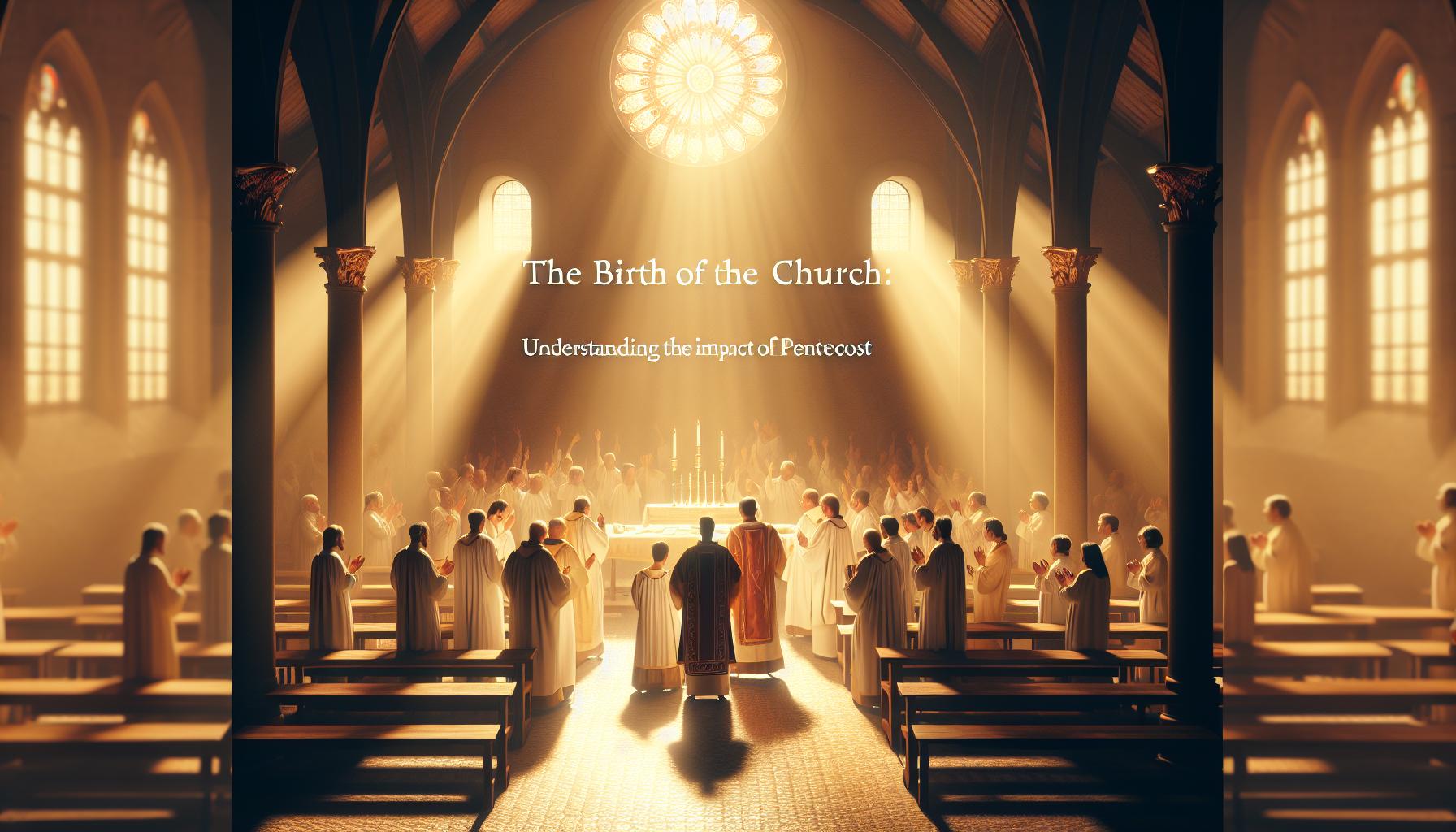
The Birth of the Church: Understanding the Impact of Pentecost
The Transformative Power of Pentecost
The event of Pentecost marks a pivotal moment in early Christianity: the birth of the Church and the unprecedented outpouring of the Holy Spirit. This transformative experience empowered the apostles, igniting a passionate and dynamic movement that transcended cultural and geographical boundaries. Following the miraculous occurrences on Pentecost, where each apostle spoke in diverse languages, thousands were drawn to the teachings of Jesus.This phenomenon was not merely a standalone event but a catalyst for expansive church growth strategies outlined in the Book of Acts.
- Empowered Community: The spirit-filled church became a hub of activity, fellowship, and mutual support. Living out the teachings of Jesus, early Christians shared their possessions, prayed together, and broke bread in their homes, which fostered deep community bonds.
- Diverse Outreach: The linguistic and cultural diversity present at Pentecost set a precedent for the church’s outreach efforts. As apostles traveled to different regions, they adapted their message to resonate with diverse audiences, demonstrating the universal nature of Christianity.
- Signs and Wonders: Miracles and healings performed by the apostles served as signs affirming their message, capturing the attention of non-believers.This approach not only validated their authority but also invited curiosity and engagement with the faith.
Strategies for Growth Post-Pentecost
The apostolic church employed several key strategies that led to remarkable growth, serving as a template for modern church practices. one effective approach was emphasizing the importance of communal worship and teaching, which created an habitat where believers could grow in their faith and understanding. Regular gatherings for prayer, teaching, and worship fostered a strong sense of belonging and encouraged both evangelism and discipleship.
| Strategy | Description | Impact on Growth |
|---|---|---|
| Community Engagement | Building strong local communities through acts of charity and service. | Increased visibility and interest in the church. |
| Holistic Teaching | Providing comprehensive teaching on the teachings of Jesus. | Deepened faith and understanding among believers. |
| Utilizing Personal Testimony | Encouraging converts to share their personal experiences of faith. | Increased authenticity and relatability of the church’s message. |
As we reflect on the birth of the Church and the strategies employed in the aftermath of Pentecost, it is clear that the guiding principles of community, outreach, and empowerment continue to offer valuable lessons for contemporary church growth.The momentum started at Pentecost remains relevant today, showcasing the importance of engaging with diverse communities and fostering a faith that invites transformation.
The Early Church’s Growth: Strategies for Community Building
the explosion of growth in the early Church serves as a powerful testament to the effectiveness of focused community building strategies. After the momentous events of Pentecost, the apostles did not simply preach the Gospel; they cultivated a community centered on shared beliefs and mutual support. One foundational strategy was the establishment of strong relational ties among believers, reflecting the principles of service and love emphasized in the teachings of Jesus.
Relational Community and Shared Experiences
The early Christians thrived on genuine relationships, which were fueled not only by shared faith but also by communal activities. Meeting regularly for worship, prayer, and fellowship was essential. They broke bread together and shared resources, creating a culture that fostered inclusivity and support. This communal lifestyle attracted new members, as the love displayed among the believers mirrored the teachings of Christ.
- Fellowship: Regular gatherings for worship and communal meals helped to deepen connections among believers.
- Teaching: Apostolic teachings provided a solid biblical foundation that engendered unity and purpose.
- Service: engaging in acts of service within the community attracted others who witnessed the love and care shown to all.
Outreach Through Authentic Evangelism
Another critical strategy employed by the early Church was powerful and authentic evangelism. The apostles didn’t just preach in the synagogues; they lived out their faith in the broader community.Their witness was compelling not merely as of their words but because of the radical transformation evident in their lives. People were drawn not only by sermons but by the visible impact of their teachings on morality, community service, and holistic living.
The early Church was not limited to formal evangelistic settings; they integrated their faith into everyday life, exemplifying the principles outlined in numerous passages from the Book of Acts.By living out their faith publicly and engaging in acts of kindness and service, they demonstrated what it meant to be the Body of Christ in action.
Use of Testimonies and Personal Stories
Personal testimonies played a meaningful role in the Church’s growth strategy. Stories of transformation and healing formed potent testimonials that encouraged others to explore the faith. Converts shared their experiences,igniting curiosity and leading to richer discussions about faith and belief.
| Testimony Type | Description | Impact |
|---|---|---|
| Healing | Personal accounts of physical or spiritual healing | Generated hope and interest in the faith |
| Conversion | Stories of life transformation and redemption | Encouraged faith exploration among skeptics |
| Community Stories | Examples of communal support and love in action | Created a sense of belonging and attraction to the community |
the early Church employed multifaceted strategies that emphasized community building through genuine relationships, authentic evangelism, and impactful testimonies, showcasing effective methods for church growth that are still relevant today. These strategies rooted in the principles of faith and community not only nurtured spiritual growth but also created an environment that welcomed and retained new believers, reflecting the foundational messages of ‘What Happened After Pentecost? Church Growth Strategies from Acts.’
Faith and Action: How Miracles Inspired Expansion
Transformative Power of Faith
In the aftermath of Pentecost, the early church exhibited a remarkable connection between faith and action, which spiraled into a wave of miracles and exponential growth. As believers gathered in unity and boldness, they relied not just on their human efforts but on the divine power of the Holy Spirit. This synergy became a hallmark of their mission, radiating hope and drawing others into their fold. The astonishing works they performed exemplified the scripture that states, “faith without works is dead”—theirs was a faith that compelled them to act fearlessly.
Miracles as a Catalyst for Expansion
The early church thrived by witnessing and acting upon miraculous events that infused their community with faith. Every miracle was a testimony, an encouragement for believers to step out in faith, echoing the message of the gospel. These acts of divine intervention not only strengthened the existing members but also attracted newcomers seeking hope and healing. It’s recorded that during Peter’s ministry, the disciples healed the sick and performed extraordinary signs, which considerably contributed to the church’s rapid expansion.
- Unity and Prayer: The early church devoted themselves to prayer and collective worship, which ignited the environment for miracles.
- Acts of Service: Through acts of compassion, like caring for the needy, they displayed the practical outworking of their faith.
- Evangelism through Testimony: Sharing their personal experiences of God’s power encouraged others to seek a relationship with Christ.
Practical Steps for Today’s Church
To emulate the early church’s faith-in-action ethos, churches today can implement strategies that foster a similar environment. Here are a few actionable steps to consider:
| Strategy | Description |
|---|---|
| Encouraging Testimonies | Provide platforms for members to share their experiences of faith and miracles, reinforcing community strength. |
| Community Prayer Groups | Establish regular prayer sessions focused on specific needs, inviting God’s intervention in everyday challenges. |
| Service-Oriented Outreach | Organize outreach programs that serve the local community, showcasing love in action. |
The early church knew that faith without accompanying action was ineffective. By blending their belief with tangible actions, they ignited a movement powered by miracles—an approach that remains vital for church growth today. Listening to the lessons from *What Happened after Pentecost? Church Growth Strategies from Acts* can provide valuable insights for modern congregations looking to expand their reach and impact.
Evangelism in Motion: Lessons from Peter’s Bold Preaching
In a pivotal moment following Pentecost, Peter’s audacious sermon not only ignited spiritual fervor but also laid a blueprint for effective evangelism that churches can emulate today.Seizing the opportunity provided by the outpouring of the Holy Spirit, Peter spoke directly to a diverse crowd, offering both clarity and conviction. His approach demonstrates a fundamental strategy for sharing the Gospel: cultural relevance paired with scriptural truth. By contextualizing the message of Jesus within the framework of his audience’s understanding, he bridged gaps and resonated deeply with their experiences.
- Scriptural foundation: Peter began by quoting the prophet joel,grounding his message in the Word of God,which established credibility and connected historical prophecy to present fulfillment.
- Direct Address: He addressed the crowd’s misconceptions about the apostles being intoxicated, using this moment to shift the discussion towards the truth of Christ’s resurrection and lordship.
- Call to Action: Peter did not shy away from challenge; he urged listeners to repent and be baptized, presenting a clear next step for those who felt moved by the Spirit.
This boldness in preaching highlights a crucial element for modern evangelistic efforts: the necessity of clarity and courage when presenting the Gospel. Churches looking to implement church growth strategies inspired by the events right after Pentecost must consider how they can speak into the hearts and minds of their communities today, addressing contemporary issues while firmly rooted in biblical teaching.
Equally important is the response to Peter’s message: approximately three thousand souls were added to the church that day (Acts 2:41). This remarkable growth exemplifies another principle: the power of communal witness. the early church thrived because members actively shared their experiences and transformed lives through fellowship. This early model encourages congregations to foster strong community ties, ensuring that members are equipped and eager to share their faith stories effectively.
| Principle | Description |
|---|---|
| Contextualization | Use culturally relevant examples and language to relate the Gospel message to the audience. |
| Clear messaging | Present the core elements of the Gospel in a straightforward manner, inviting listeners to respond. |
| Community Engagement | Encourage church members to actively participate in sharing their faith and supporting newcomers. |
Implementing these lessons from Peter’s preaching not only honors the rich legacy of the early church but also arms contemporary believers with the tools necessary to advance the mission of evangelism in their own contexts, echoing the transformative experience documented in What Happened After Pentecost? Church Growth Strategies from acts.
Building a Strong Foundation: the Role of Fellowship and Teaching
The Importance of Fellowship and Teaching in Church Growth
In the aftermath of Pentecost, one of the most striking outcomes was the establishment of a strong sense of community among believers. Fellowship played a crucial role in nurturing this sense of belonging, enabling shared learning and spiritual growth. As outlined in the book of Acts, the early church engaged in teaching, communal fellowship, and breaking of bread, which fostered deep connections and a commitment to the collective mission of spreading the Gospel. This synergy not only encouraged individual growth but also fueled the multiplication of the church as each member contributed to a vibrant, faith-driven community.
To replicate the success seen in the early church, modern congregations can invest in fellowship initiatives that emphasize relational engagement and continuous learning. Consider implementing the following strategies:
- Create Small Groups: Small groups encourage intimate interactions where members can discuss scripture, share personal experiences, and support one another through prayer.
- Offer Teaching Fellowships: Establish teaching fellowships which invite learned members to lead educational sessions,sharing insights from biblical texts and effective evangelism strategies.
- Organize Workshops: Host workshops that teach skills relevant to church growth, such as effective preaching techniques, outreach methods, or community service planning.
Real-World Example: Teaching and Fellowship
A successful example of integrating teaching and fellowship can be found in many contemporary churches that prioritize mentorship programs. These programs frequently enough pair seasoned members with newcomers to foster leadership growth and spiritual maturity. By facilitating peer-led teachings within small groups, churches not only replicate the dynamics of the early church but also empower their congregants to become active contributors to the mission of the church, echoing the lessons learned from “What Happened After Pentecost? church Growth Strategies from Acts.”
The interconnectedness of teaching and fellowship serves as a bedrock for sustained growth. Investing in these areas not only strengthens individual faith but also enhances the overall unity and effectiveness of the church community. by creating environments where learning and communal experiences thrive, congregations can effectively navigate the challenges of modern ministry and continue to expand their impact.
| Strategy | Description |
|---|---|
| Small Groups | Facilitate intimate settings for discussion and prayer among church members. |
| Teaching Fellowships | Engage knowledgeable members to lead educational and spiritual sessions. |
| Workshops | Provide practical training for outreach,preaching,and community engagement. |
Navigating Challenges: Overcoming Persecution and Division
The early church faced immense challenges following the pivotal events of Pentecost, but rather than stifling its growth, persecution frequently enough acted as a catalyst for expansion. Historical accounts show that when the apostles encountered persecution, it led to intense prayer and unity among believers, driving them to spread the Gospel even further. This response is highlighted in the Book of Acts, where the church, despite facing hostility, flourished. In fact, it is ofen during moments of trial that the church’s core identity is reinforced, helping believers to grow deeper in their faith.
Strengthening Through Adversity
Persecution serves as a purification process for the church. It strips away superficial followers and reveals the true commitment of believers. As argued by various studies and scripture references, such as Acts 8:1-4, the scattering that occurred due to persecution allowed the message of Christ to penetrate new areas, enabling growth amidst division. To effectively navigate these challenges, modern churches can adopt similar principles:
- Embrace Community: Encourage fellowship and support among members to foster a culture of resilience.
- Prioritize Prayer: Organize regular prayer meetings to not only seek divine intervention but to unify the congregation.
- Equip Leaders: Train church leaders to manage conflict and guide members through arduous times with biblical teachings.
Practical Steps for Growth
Incorporating proactive strategies can further help individual churches thrive amidst persecution. Recognizing that challenges can enhance spirituality and community bonds, churches should focus on:
| Strategy | Action |
|---|---|
| Outreach Programs | Develop initiatives to serve the community, showcasing Christ’s love. |
| Education and Discipleship | Offer classes that deepen biblical knowledge and prepare members to face challenges. |
| Public Advocacy | Engage in dialog within the community to foster understanding and support. |
By implementing these practical steps derived from the lessons learned after Pentecost, churches can transform challenges into opportunities for growth.Just as the apostles found new avenues for ministry during times of trial, today’s church can also thrive by leaning into adversity, ensuring that the mission of spreading the Gospel continues unabated.
The Power of Prayer: Fueling spiritual Growth and Unity
The early church’s explosive growth following Pentecost serves as a profound reminder of the power of prayer in fostering spiritual vitality and unity. After the Holy Spirit descended upon the apostles, prayer became a foundational practice that not only nurtured individual faith but also solidified the community of believers.This synergy between personal devotion and collective prayer was essential to the church’s expansion and its ability to face external challenges. As they gathered to pray, the believers were invigorated with the courage and wisdom needed to spread the message of Christ, demonstrating how prayer acts as both fuel and binding force within a faith community.
Key aspects of Prayer in Church Growth
Prayer in the aftermath of Pentecost was characterized by several vital aspects:
- Communal Engagement: The apostles and early church members regularly assembled for corporate prayer, uniting their hearts and minds to seek guidance and strength from God. This collective aspect fostered a sense of belonging and mutual support.
- Spiritual Empowerment: Prayer was not just a ritual; it was a conduit for believers to receive the Holy Spirit’s empowering presence. This empowerment was evident as they performed miracles and boldly proclaimed the gospel, drawing people to their cause.
- Continued discernment: The early church leaders sought the Lord through prayer when making important decisions,such as selecting new leaders and responding to crises. This reliance on divine wisdom helped ensure the church’s mission remained aligned with God’s will.
Practical Steps to Cultivate Prayer for Growth
To harness the same spirit of prayer that propelled the early church, modern congregations can implement several actionable strategies:
| Strategy | Description |
|---|---|
| Establish Prayer Groups | Create small prayer groups within the church that meet regularly to share burdens and pray for one another, extending this support to the wider community. |
| Incorporate Prayer into Services | Make communal prayer a central part of worship gatherings to encourage congregational unity and collective seeking of God’s direction. |
| Teach Prayer Practices | Offer workshops or resources on different prayer practices, such as intercessory prayer, contemplative prayer, or prayer journaling, to enrich personal and communal prayer lives. |
By committing to prayer as the bedrock of spiritual growth, contemporary believers can experience the same transformative power that marked the life of the early church as depicted in ‘What Happened After Pentecost? Church Growth Strategies from Acts.’ Fostering an environment where prayer flourishes enables individuals and communities to grow deeper in faith and stronger in unity, essential elements for thriving in today’s world.
Collaboration and Leadership: Empowering Believers for Growth
Building a Culture of Collaboration
Following Pentecost, the early church exemplified a remarkable model of collaboration and leadership that empowered believers to engage more deeply with their faith and with one another. This interplay of shared responsibilities and communal support not only nurtured spiritual growth but also attracted new members to the faith. A church where collaboration is prioritized cultivates a vibrant community of believers who feel valued and motivated to contribute to the church’s mission.
Key strategies for fostering collaboration include:
- Empowering Small Groups: Encourage the formation of small groups that meet regularly for study,prayer,and service. These intimate settings allow for deeper relationships and collaborative ministry.
- Shared leadership Roles: Distribute leadership responsibilities among diverse members. This not only enhances ownership but also draws out unique gifts and talents that can enrich the church’s mission.
- Open Dialogue Channels: Maintain clear and transparent communication. This ensures that everyone is informed and engaged with the church’s goals and activities.
Leadership That Inspires Action
Effective leadership is crucial in empowering believers to participate actively in church growth. Leaders who model servant leadership, as demonstrated in Acts, inspire congregants to step into roles where they can serve others. This active engagement is vital for fostering an environment that not only promotes growth but also strengthens faith and community.
Consider implementing the following practices for impactful leadership:
- Vision casting: Regularly articulate a clear and compelling vision that resonates with the congregation’s values. This vision serves as a guiding star for collaboration and action.
- Mentorship Programs: Pair seasoned members with newcomers. this mentorship fosters a sense of belonging and empowers individuals to take on new challenges within the church.
- Feedback Mechanisms: Create avenues for feedback to allow congregants to share their insights and suggestions. This inclusion encourages participation and expresses that every voice matters.
| Strategy | Description |
|---|---|
| Empowering Small Groups | Facilitate deeper connections through regular gatherings focused on spiritual growth and community service. |
| Shared Leadership Roles | Encourage active involvement by distributing leadership tasks among various members, highlighting collective strengths. |
| Mentorship Programs | Pair experienced church members with newcomers to guide and support their faith journey and involvement. |
Incorporating these collaboration and leadership strategies inspired by early church practices, especially those illustrated in ‘What Happened After Pentecost? Church Growth Strategies from Acts,’ fosters an empowered community ready to grow together in faith and service.
Faq
What happened after Pentecost?
After Pentecost, the early Church experienced rapid growth through the power of the Holy Spirit, emphasizing community, evangelism, and discipleship. This period marked a significant expansion of Christian beliefs and practices.
What are the church growth strategies from the Book of Acts?
key growth strategies include strong community engagement, effective teaching, and reliance on the Holy Spirit for guidance. The apostles’ emphasis on prayer and fellowship fostered a supportive environment that attracted new believers.
How did the early Church grow so rapidly?
The early Church grew rapidly due to factors like authentic community experiences, powerful preaching, and widespread miracles. These elements created a compelling witness that encouraged others to join the faith.
Why does pentecostal growth continue today?
Pentecostal growth persists due to dynamic worship,strong community ties,and an emphasis on personal experience with the Holy Spirit.These aspects resonate deeply in today’s spiritual landscape.
Can I apply the strategies from Acts to my church?
Yes, you can apply these strategies! Focus on building a strong community, engaging in prayer, and creating opportunities for outreach to foster spiritual growth.
What role did the Holy Spirit play after Pentecost?
The Holy Spirit was instrumental in guiding the early Church, empowering believers for ministry, and facilitating miraculous events that affirmed their message. This divine presence attracted many to the faith.
How can I foster community in my church?
Fostering community involves creating small groups, encouraging fellowship gatherings, and emphasizing shared worship experiences. Prioritizing relationships will help members grow spiritually and feel more connected.
What lessons can modern churches learn from Acts?
Modern churches can learn the importance of authentic community,strong leadership,and a reliance on prayer and the Holy Spirit for growth. These lessons are timeless and vital for church health.
Closing remarks
As we reflect on the powerful events that unfolded after Pentecost, it becomes clear that the early church’s growth strategies remain remarkably relevant today. The apostles, empowered by the Holy Spirit, embraced boldness in their witness, fostering a community grounded in prayer, teaching, and sharing.Their commitment to serving others and making disciples has much to teach us about building vibrant church communities in today’s world.
By embracing the principles of unity, authentic connection, and reliance on God’s guidance, we, too, can participate in the church’s growth. The challenges we face may seem daunting, but like the early believers, we can find hope and strength in our faith.
As you ponder the lessons from Acts, consider how you can apply these strategies in your context. Engage with your community,deepen your prayer life,and encourage one another in faith. Remember, growth isn’t just about numbers; it’s about transformation and the work God is doing in and through us.We invite you to explore these themes further and discover ways to contribute to the ongoing mission of the church. Let’s walk this journey of faith together, with anticipation for what God will do next!