

Engaging young hearts in a meaningful way can be challenging for today’s children’s ministry leaders. Creative teaching tools not only enhance learning but also foster a deeper connection with spiritual lessons. This article explores innovative resources that empower educators to inspire and nurture the faith of children, making their ministry experience impactful and memorable.
Understanding the Spiritual Needs of Children: A framework for Ministry
The Importance of Understanding Spiritual Needs
Recognizing the spiritual needs of children is critical for any thriving Children’s Ministry. Children, even at a young age, possess an innate curiosity about the world around them, including spiritual matters. This foundational curiosity can be nurtured through meaningful interactions, stories, and teachings that resonate with their everyday experiences. By engaging children with creative teaching tools, such as visual aids and storytelling, ministry leaders can effectively inspire young hearts and foster a deeper connection with their faith.
Foundational Elements for Spiritual Growth
To create an effective framework for ministry that acknowledges and addresses the spiritual needs of children, consider the following vital elements:
- Relational Engagement: Building authentic relationships with children is essential. Encourage regular interaction through games, arts, and group activities that reinforce community. This surroundings allows children to feel safe and open up to learning about their faith.
- Parental Involvement: Engaging parents in the spiritual advancement process can significantly bolster children’s spiritual growth. Provide parents with resources and tools to have faith-based discussions at home, creating consistency between church and family life.
- Diverse Learning styles: Children learn differently, and incorporating various teaching methods can enhance understanding. Use stories,songs,and interactive lessons to cater to diverse learning styles,helping children connect on multiple levels.
- Age-Appropriate Content: Tailoring spiritual lessons to the appropriate developmental stage is crucial. Ensure that the teachings are relatable and comprehensible, allowing children to grasp complex concepts through simple and engaging formats.
Practical Steps for ministry Leaders
Incorporating these elements can be achieved through actionable steps that ministry leaders can adopt:
| Action Step | description |
|---|---|
| Create a Safe Environment | Develop spaces where children feel valued and free to express their thoughts about spirituality and faith. |
| Conduct Regular Workshops | Host sessions for parents and children that explore spiritual topics together and promote active participation. |
| Utilize Technology Wisely | Incorporate apps or online resources that provide spiritual content, allowing children to engage in learning outside the church. |
by focusing on these foundational elements and actionable steps, Children’s Ministry leaders can effectively meet the spiritual needs of children, creating a nurturing and inspiring environment that fosters their spiritual growth and development. When children feel connected to their faith through exploration and creative engagement, their spiritual journey becomes a fulfilling and transformative experience.
Creative Teaching Tools: Engaging methods to Reach Young Hearts
Engaging Hearts Through Creative Storytelling
One of the most powerful methods in children’s ministry is storytelling. Children naturally gravitate towards stories—they captivate their imaginations and often leave lasting impressions. By integrating biblical stories into engaging narratives, you can make lessons relatable and memorable. Consider using props or visual aids to enhance the storytelling experience,which can definitely help children better visualize and understand the message. For example,when teaching about the Parable of the Lost Sheep,use a stuffed sheep to highlight the central theme of God’s love and pursuit of His children.
Interactive Learning experiences
To reach young hearts effectively, incorporate interactive elements into your lessons. This approach not only maintains engagement but also fosters a deeper understanding of the material. Activities could include:
- Group Discussions: After a lesson, divide the children into small groups to discuss what they’ve learned and how it applies to their lives.
- Hands-On Projects: Create simple craft projects related to the lesson, which allow children to express their understanding creatively.
- Role-Playing: Encourage children to act out stories from the Bible, allowing them to immerse themselves in the narratives.
These methods not only make lessons more enjoyable but also enhance retention,as children learn best when actively involved.
Utilizing Technology
In today’s digital age, integrating technology into children’s ministry can significantly boost engagement. Utilize tablets or interactive whiteboards to present biblical stories, play educational games, or even host virtual lessons when necessary. Apps designed for children can provide quizzes or games based on scripture,reinforcing the material in a fun and interactive way.By blending customary teaching methods with modern technology, you create a dynamic learning environment that appeals to a generation raised on digital content.
Creating a Welcoming Atmosphere
the overall environment within your ministry plays a crucial role in how children engage with the material. A welcoming, vibrant space decorated with visuals and thematic elements related to your lessons can ignite children’s curiosity and excitement. Ensure that the area is organized for easy navigation and included extensive resources such as books, activity spaces, and quiet zones for reflection. A well-thought-out environment not only enhances learning but also makes children feel valued and included in their ministry experience.
By integrating these engaging methods into your teaching strategy, you can effectively inspire young hearts in your children’s ministry, making biblical truths resonate on a personal level.
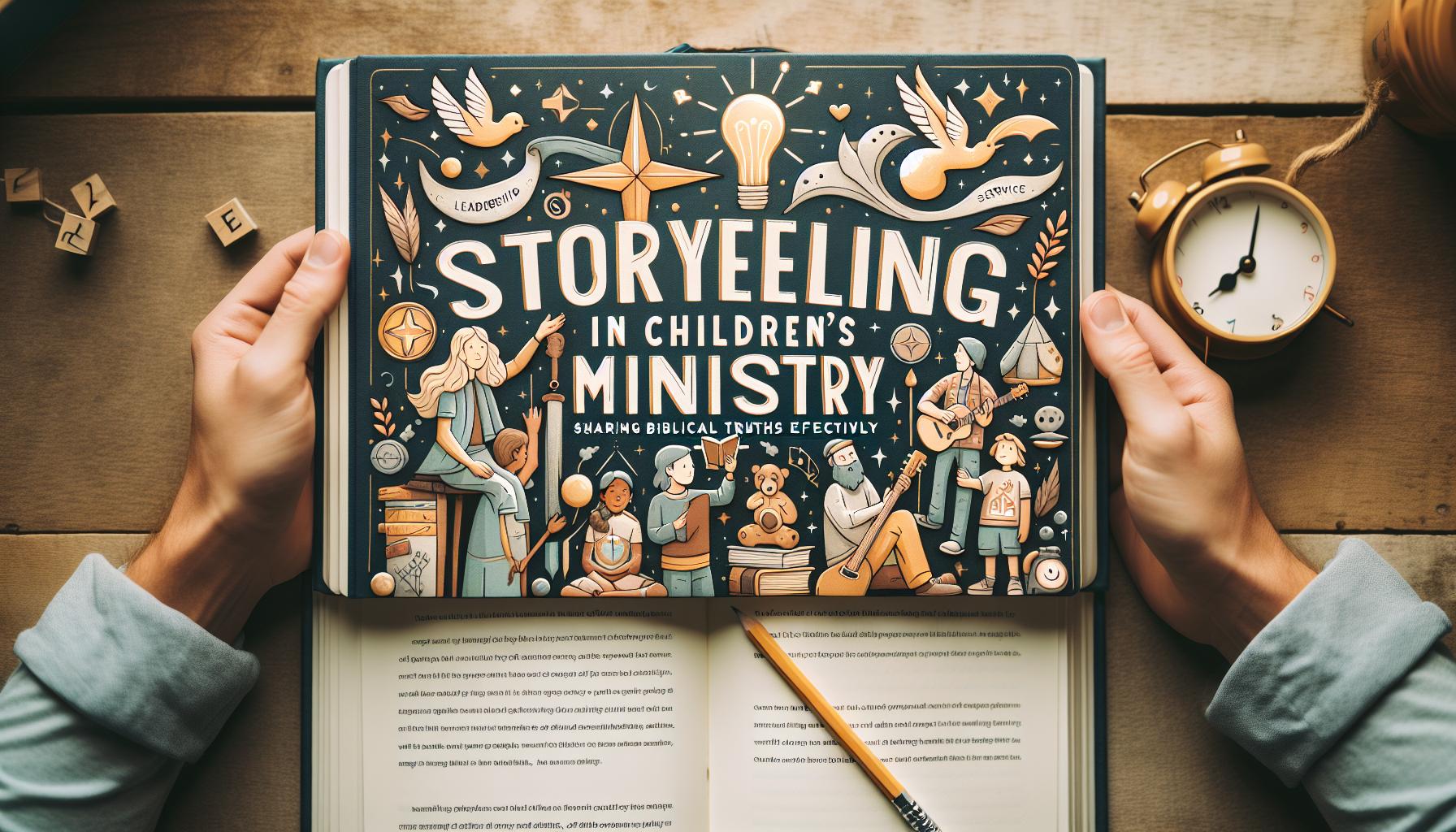
Storytelling in Children’s Ministry: Sharing Biblical Truths Effectively
Engaging children’s hearts and minds often begins with the timeless art of storytelling. When the Bible is presented as a series of narratives, it becomes more accessible and relatable for young children who may find the abstract concepts challenging to grasp. Effective storytelling in children’s ministry not only makes biblical truths memorable but also inspires curiosity and excitement about faith.
The Power of Narrative in Teaching
Stories are naturally captivating,and they allow children to connect with biblical characters and principles on a personal level. Here are some key reasons why storytelling is vital in children’s ministry:
- Emotional Engagement: Stories evoke emotions,helping children to feel what characters experience,making the lessons more impactful.
- memory Retention: Children are more likely to remember a story than a list of facts or rules, as narratives create mental images and contexts.
- Moral Lessons: Each story carries inherent moral lessons, allowing for natural discussions about values and ethics within a biblical framework.
Strategies for Effective Storytelling
To make the Bible come alive for children’s ministry,here are some actionable strategies:
- Use Props and visual Aids: Incorporate visual elements like puppets,costumes,or illustrations to enhance the storytelling experience.
- Interactive Participation: involve children by asking questions, allowing them to act out scenes, or encouraging them to repeat key phrases.
- Relate Stories to Their Lives: Connect biblical stories to children’s daily experiences and challenges, making the messages relevant.
By harnessing the power of storytelling,leaders in children’s ministry can inspire young hearts with creative teaching tools that bring biblical truths to life. This approach can guide children in their spiritual journey, instilling in them the foundational lessons of faith in a manner they can both understand and cherish.
Interactive Activities: Making Faith Fun and Memorable
Engaging children in their spiritual journey can transform learning about faith into a fun and interactive experience. By integrating exciting activities into your Children’s Ministry programming, you help young hearts connect not only with biblical teachings but also with each other. These interactive activities foster community, creativity, and critical thinking, making lessons memorable and impactful.
Active Indoor Games
Active games are an excellent way to get children moving while they learn.Here are a few game ideas that combine fun with faith:
- Heads or Tails: A simple game where kids choose heads or tails as questions are posed related to biblical stories. This keeps everyone engaged and allows them to share their thoughts on what they know!
- prayer Relay Race: Divide kids into teams and have them run to stations where they perform small tasks related to prayer, such as writing a prayer or reciting a memory verse.
- Bible Freeze Dance: play music and let kids dance; when the music stops, they freeze. When frozen, they must think of a word or phrase related to their faith that starts with the letter they drew before playing.
Creative Learning Through Games
games are not just about fun; they serve as powerful teaching tools. Incorporating themed activities related to upcoming lessons can help reinforce biblical concepts:
| Game | Lesson focus |
|---|---|
| Treasure Hunt | Discovering God’s Promises |
| Scripture Scavenger Hunt | Learning Bible Verses |
| Faith Charades | understanding Parables |
By blending play with spiritual lessons, children can explore their faith actively, leading to a deeper understanding of the principles they learn. From relay races to interactive storytelling,these activities can be tailored to fit any lesson,ensuring that the Children’s Ministry remains dynamic and inspiring.
Fostering Community: The Role of Parents and Volunteers in Ministry
Building Bridges: The Integral Role of Parents and Volunteers
In any thriving children’s ministry, the synergy between parents and volunteers is vital. Engaging parents not only enhances the children’s experience but also fosters a sense of community that extends beyond Sunday services. By creating meaningful partnerships, your ministry can enrich the spiritual growth of all family members. Explore ways to involve parents and volunteers actively in your program to inspire young hearts creatively.
- Encouraging Parental Involvement: Parents are the primary influencers in a child’s spiritual journey. Consider hosting workshops or informational sessions that equip parents with tools to engage in meaningful conversations at home about faith. When parents are active participants in ministry, the entire family thrives.
- Volunteer Training and Support: Volunteers are the backbone of children’s ministry programs. Providing them with comprehensive training not only prepares them to lead effectively but also instills confidence.Regular check-ins and feedback loops can help them feel valued and supported in their roles.
- Creating Opportunities for Connection: Organizing events where parents, children, and volunteers can interact creates a stronger community.Whether it’s a family fun day or service projects that involve all ages, these opportunities encourage relationships to flourish within the church.
Real-World Applications
Bringing the community together requires creativity and diligence. Consider implementing these strategies:
| Strategy | Description | Expected Outcome |
|---|---|---|
| Parent Workshops | Monthly sessions that provide resources and tools for spiritual conversations at home. | Increased parental involvement and stronger family faith practices. |
| volunteer Recognition Events | Annual gatherings to celebrate and appreciate the efforts of volunteers. | Boosted morale and volunteer retention in ministry initiatives. |
| Family Service Projects | opportunities for families to serve together in the community. | Deeper connections among families and the church community. |
the collaborative efforts of parents and volunteers in children’s ministry not only bolster a child’s faith journey but also create a lasting impact on the church community.By inspiring creativity and inviting active participation, your ministry can flourish and effectively nurture young hearts, aligning with the mission to help them grow in faith and love.
Incorporating technology: Using Modern Tools to Enhance learning
Engaging the Next Generation with Technology
In today’s digital landscape, children are more tech-savvy than ever. Harnessing this familiarity with technology can transform traditional teaching methods in children’s ministry, making lessons not only more engaging but also more impactful. By incorporating modern tools such as tablets, interactive apps, and multimedia presentations, educators can create immersive experiences that resonate with young hearts. This approach not only captures their attention but also helps instill biblical truths in relatable ways.
- Interactive apps: Utilizing apps designed for Bible study can turn learning into a fun, interactive game. Many applications incorporate storytelling features with animated graphics, making scripture come to life.
- Augmented Reality: Imagine having a lesson where children can point their devices at a QR code and watch a Bible story unfold in 3D! Augmented reality can provide visual and auditory stimuli that deepen understanding.
- Video Content: Integrating short, relevant video clips during lessons can illustrate a point effectively and hold the audience’s attention. This method caters to visual learners and can simplify complex teachings.
- Online Platforms: With many children engaging with technology from home, online ministry platforms can facilitate continued learning. Virtual Bible studies or story times can extend the reach of ministry beyond the church walls.
The Benefits of Using Technology
Integrating technology into children’s ministry offers numerous benefits that can enhance educational outcomes. Not only does it cater to various learning styles—visual, auditory, and kinesthetic—but it also fosters a sense of community and engagement among children. For instance, using social media to create closed groups where children can discuss lessons or share questions encourages interaction and aids retention of facts.
Moreover, technology enables leaders to track progress and engagement effectively. Tools like online surveys or, even gaming-like progress tracking, can motivate children to participate and learn more. By gamifying lessons, ministries can incentivize attendance and participation, ensuring that children remain attentive and invested in their spiritual growth.
Best Practices for Implementation
When implementing technology in children’s ministry, it is essential to follow a few best practices:
| Best Practice | Description |
|---|---|
| Start Small | Introduce one technology tool at a time to avoid overwhelming educators and children alike. |
| Training | Provide adequate training for leaders and volunteers to ensure they are comfortable and knowledgeable about using new technologies. |
| Safety First | Always prioritize the safety of children by ensuring that any online interaction is age-appropriate and monitored. |
| Feedback Loop | Solicit feedback from children and parents to gauge the effectiveness of the technology being used and make adjustments accordingly. |
By thoughtfully incorporating technology in your children’s ministry, you can inspire young hearts with creative teaching tools that resonate well beyond the classroom setting.
Evaluating Your Teaching Strategies: Adapting to the Needs of Your Kids
In the vibrant setting of children’s ministry, understanding and adapting your teaching strategies can significantly enhance the spiritual growth of young hearts. Children come with diverse backgrounds, learning styles, and interests. By assessing and refining your teaching methods, you can ensure that each child engages with the material in a meaningful way. This not only cultivates their relationship with God but also fosters a love for learning and exploration within the church.
Understanding Individual Learning Styles
Every child learns differently. Some may be visual learners, while others grasp concepts more effectively through auditory or kinesthetic experiences. To effectively reach all children in your ministry, consider implementing a variety of teaching tools and strategies. Assess your classroom dynamics and identify dominant learning styles among your students.
- Visual learners: Incorporate colorful visuals, charts, and illustrations during lessons.
- Auditory learners: Use songs, discussions, and storytelling to enhance understanding.
- Kinesthetic learners: Integrate interactive activities and hands-on projects to reinforce lessons.
Regular Feedback and Assessment
Collecting feedback from your students can be invaluable. use simple, age-appropriate methods like surveys or informal check-ins to gauge their understanding and interest levels. Regular assessments not only help you evaluate the effectiveness of your teaching strategies but also signal to the children that their voices matter. As a notable example, after a lesson, you can ask questions such as:
| Question | Purpose |
|---|---|
| what part of today’s lesson did you enjoy the most? | Identifies engaging content. |
| Was there anything that confused you? | Helps pinpoint areas needing clarification. |
| How do you think we could make our lessons even better? | Encourages children to share ideas for advancement. |
Flexibility in Teaching Approaches
Be prepared to pivot your strategies based on feedback and observations. If a lesson doesn’t resonate, it may be time to revamp your approach. For instance, if a particular Bible story isn’t capturing their attention, consider relating it to a popular theme in children’s culture. Use creative teaching tools such as drama, crafts, or multimedia resources to deliver the message in a fresh, engaging manner. In this way, you can inspire young hearts with new and exciting perspectives, fulfilling the mission of your children’s ministry consistently.
Building a Lasting impact: Nurturing Faith Through Consistent Engagement
Engaging Children Through Consistent Activities
Every child has the potential to develop a deep-rooted faith when provided with consistent and engaging learning opportunities. In the realm of children’s ministry, fostering this growth requires innovative approaches that resonate with young hearts.Effective ministries leverage creative teaching tools to create an environment where faith is nurtured through interactive experiences. By regularly incorporating hands-on activities such as crafts, games, and storytelling, leaders can capture the attention of children and instill Biblical principles in memorable ways.
- Interactive Lessons: Use storytelling techniques to make Scripture relatable and engaging. For instance, children can reenact parables or participate in skits that illustrate moral lessons.
- Creative Arts: Channel children’s creativity through art projects that reflect Biblical stories. This not only makes learning fun but allows for personal expression of their faith.
- Games and Activities: Design activities that promote teamwork and reinforce Biblical teachings. Group games can definitely help children learn about cooperation while embedding spiritual truths in their hearts.
Building Community and Relationships
Regular engagement is essential in children’s ministry as it not only nurtures faith but also builds a sense of community among young believers. By creating opportunities for teamwork and fellowship, children learn to connect with one another and share their faith journeys. Organizing events such as family nights, volunteer activities, and service projects can deepen relationships, making church a safe haven for children.
| Activity | Purpose | Frequency |
|---|---|---|
| Craft Workshops | Teach Biblical themes through creativity | Monthly |
| Game Nights | Encourage teamwork and fellowship | Bi-weekly |
| Service Projects | instill a sense of community and compassion | Seasonally |
Incorporating these elements into the ministry not only creates a vibrant environment for learning but also enables children to see their faith in action. Through consistent engagement, children are inspired not only to learn about their faith but to live it out every day, forming a lasting impact that extends beyond the classroom. By utilizing resources and tools specifically designed for children’s ministry,leaders can make every interaction meaningful,turning teachings into lifelong lessons.
Faq
What is Children’s Ministry: Inspire Young Hearts with Creative Teaching Tools?
Children’s Ministry: Inspire Young Hearts with Creative Teaching Tools is an approach to teaching young children about the Bible using innovative and engaging methods.
By utilizing creative tools like games, crafts, and storytelling, leaders can effectively convey biblical truths. This method acknowledges the different learning styles of children and aims to make spiritual lessons memorable.
For more detailed resources, visit Ministry To Children, which offers various ideas for children’s ministry.
Why is creativity vital in Children’s Ministry?
Creativity in Children’s ministry fosters engagement and helps children connect with biblical concepts in a meaningful way.
Creative methods, such as interactive games and vibrant storytelling, resonate with children, making difficult concepts easier to understand. This approach not only keeps their attention but also encourages participation.
Incorporating creative teaching tools can allow children to express themselves and deepen their faith through active learning.
How can I effectively use games in Children’s Ministry?
Using games in Children’s Ministry can enhance learning by providing fun and engaging experiences that reinforce biblical lessons.
Games are powerful because they cater to children’s natural learning styles. You can use simple group games or even digital activities that align with biblical themes.
Visit ThreeThirtyMinistries for an extensive list of creative games and activities tailored for different age groups.
Can I tailor Children’s Ministry tools for different ages?
Yes, tailoring Children’s Ministry tools for different age groups is crucial for effective teaching.
Younger children may benefit from interactive stories and simple crafts, while older kids might enjoy more complex projects or discussions. Adjusting the complexity of lessons helps meet each child’s developmental needs.
Explore specific age-related strategies on websites like Kidology, which provides resources for various age groups in children’s ministry.
What resources are available for children’s Ministry?
There are numerous resources available for Children’s Ministry, including lesson plans, crafts, and games.
Websites like Ministry To Children offer extensive free materials for churches, schools, and families. These resources are designed to make teaching engaging and effective.
Utilizing a variety of resources can enrich your lessons and inspire creativity in your teaching approach.
How can storytelling enhance Children’s Ministry?
Storytelling is a powerful tool in Children’s ministry that captivates young hearts and minds.
By sharing Bible stories with enthusiasm and interactive elements, you can create a vivid picture that helps children remember key lessons. This method allows for creativity and emotional connection, making the stories come alive.
Consider using props or visual aids to enhance storytelling,which can significantly impact the children’s understanding and retention of biblical messages.
Why should I engage parents in Children’s Ministry?
Engaging parents in Children’s Ministry is essential as it reinforces spiritual teachings at home.
When parents are involved, they can continue discussions, support lessons, and model faith behavior, creating a consistent spiritual environment for their children.
Providing resources and materials that parents can use at home encourages family participation in faith development, which is crucial for a child’s spiritual growth.
Concluding Remarks
children’s ministry plays a vital role in nurturing young hearts and fostering their spiritual growth through creative teaching tools. By integrating engaging activities, relatable lessons, and meaningful interactions, we can inspire children to understand and embrace their faith in a joyful manner. Utilizing resources such as games, crafts, and storytelling not only makes learning fun but also helps solidify biblical truths in their minds and hearts.
As you explore the myriad of innovative tools available, remember that every child’s journey is unique, and your efforts to adapt and personalize lessons can have a lasting impact. don’t hesitate to dive deeper into available resources, connect with fellow ministry leaders, and continually seek inspiration for your teaching. Together, let’s create a vibrant and nurturing environment where young hearts can flourish in their faith. Your commitment to this mission can transform lives and bring the love of Christ to the next generation. Keep exploring,keep inspiring!


