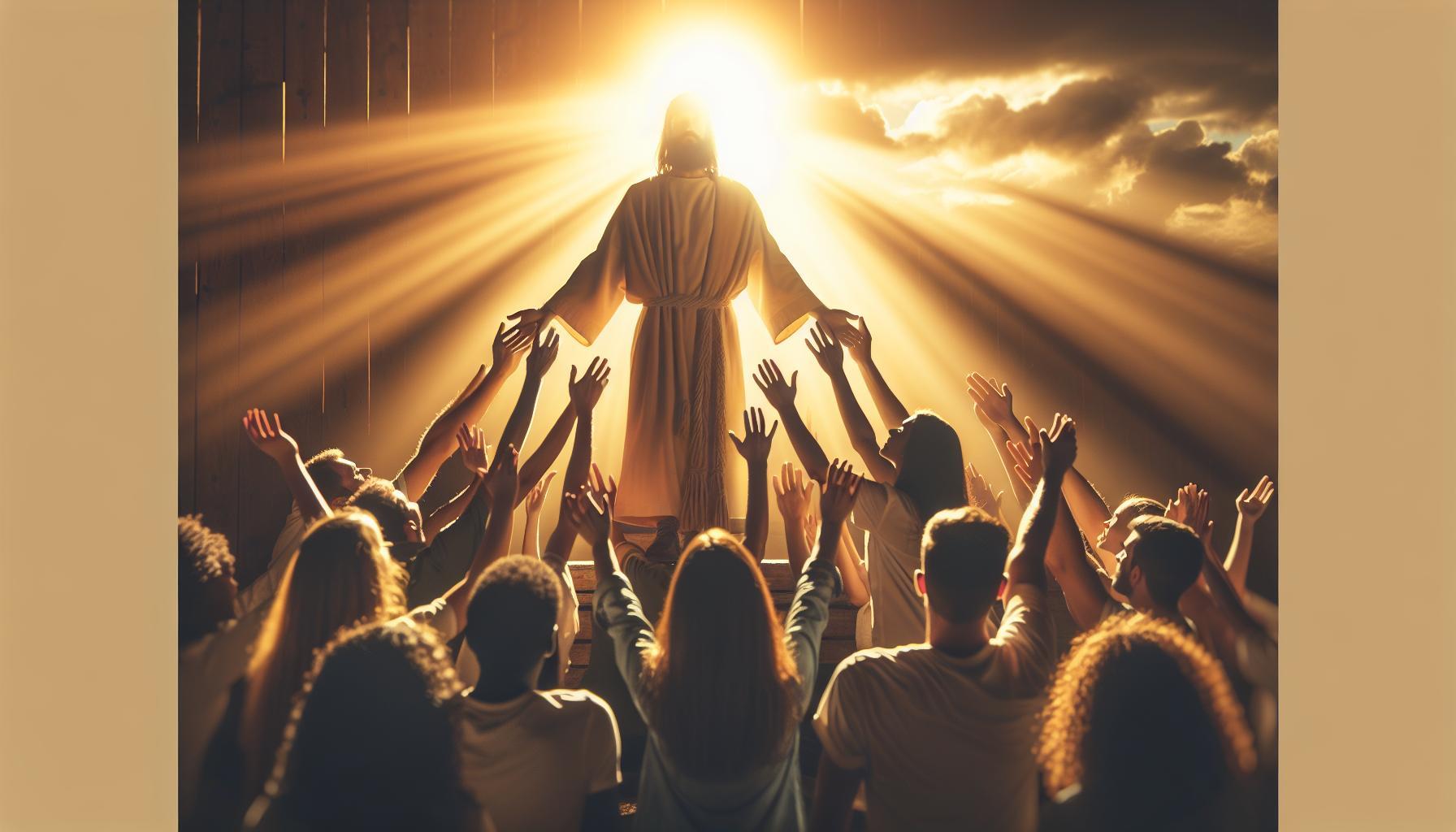
In a world filled with division and uncertainty, the gathering of a small group in an upper room offers profound insights for contemporary ministry. Understanding who was present during this pivotal moment and its implications can inspire today’s leaders to foster unity, empower communities, and deepen spiritual connections. This exploration uncovers valuable lessons from the past that resonate in our mission today.
The Journey of the Disciples: Who Were They in the Upper Room?
The Upper Room stands as a pivotal scene in Christian history, marked by an unusual gathering of Jesus’ closest followers. This meeting not only served as a moment of intense spiritual awakening but also shaped the foundations of the early Church. Understanding the journey of the disciples—who they were in that sacred space—provides profound insights into their roles and importance, bridging the gap between ancient events and contemporary ministry.
The Disciples: A Diverse Group United in Purpose
- Peter: The outspoken leader, whose boldness and subsequent transformation became a hallmark for future church leaders.
- John: The beloved disciple, renowned for his deep theological insights and love that characterized his ministry.
- James and John: Known as the ‘Sons of Thunder,’ their dynamic personalities underscore the diversity in the disciples’ approaches.
- Matthew: The tax collector turned apostle, representing the call of Jesus to those on society’s fringes.
- Mary, the Mother of Jesus: A central figure, her presence embodies faithfulness and devotion, crucial for the early Church.
- Others: Including various women and disciples not always in the limelight, showing that ministry is a collective effort.
These disciples brought together a tapestry of experiences, backgrounds, and perspectives.Their varied journeys led them to the Upper Room, where they experienced the Pentecost—a transformative event that fueled their mission moving forward. As they awaited the promised Holy Spirit, they were not just passive recipients; they engaged in prayer and fellowship, fostering a community supportive of one another. This aspect is vital for ministry today, illustrating how collaboration amongst diverse members can lead to extraordinary results.
The Impact of the Upper Room Experience
The profound significance of the Upper Room lies not only in the event itself but also in what it represented for early ministry. It was here that the disciples were empowered to step into their roles as apostles, ready to share the message of Jesus. Their transformation from fearful followers to valiant proclaimers of faith exemplifies the journey every disciple of Christ can undertake.
| disciple | Role in the Upper Room | Significance for Ministry |
|---|---|---|
| Peter | Leader and spokesperson | Symbol of bold leadership |
| John | Theologian and loving disciple | Embodiment of deep faith |
| Matthew | Witness to Jesus’ mercy | Encouragement for inclusivity |
| Mary | Mother of the Messiah | Depiction of nurturing faith |
Each disciple’s journey in the Upper Room serves as a reminder that the ministry is a labor of love—an endeavor requiring unity, commitment, and transformation. The lessons learned from their experiences continue to resonate in today’s ministries, urging followers of Christ to embrace their unique journeys while supporting one another in the collective mission of spreading the Gospel.

Exploring the Atmosphere of the Upper Room: A Place of Transformation
The Upper Room stands as a powerful symbol of transformation in Christian history,vibrating with the echoes of those pivotal moments when ordinary individuals found their lives changed forever. It was in this sacred space that diverse disciples gathered, experiencing a profound spiritual awakening that woudl shape their future and the trajectory of Christianity. understanding the atmosphere of the Upper Room allows contemporary ministry to harness the power of transformative spaces in fostering deep connections, communal prayer, and spiritual growth.
The Sacred Gathering
When exploring the essence of the Upper Room, we encounter a mixture of anticipation, fellowship, and divine presence. The gathering of the disciples is a prime example of how collective spirituality can lead to individual and communal transformation. In today’s ministry, fostering similar environments can be achieved by:
- Encouraging Authentic fellowship: Just as the disciples shared their fears and hopes, modern Christian communities should cultivate spaces where individuals feel safe to express themselves.
- Facilitating Prayerful Encounters: The Upper Room was a place of intense prayer. Setting aside time for communal prayer in your ministry can replicate this sacred atmosphere, leading to spiritual breakthroughs.
- Creating Opportunities for Encountering the Divine: Organizing retreats or worship gatherings that focus on spiritual experiences can help individuals encounter the transforming power of God.
Elements of Transformation
A look into the dynamics that played out within the Upper Room reveals critical components vital for transformation: unity, openness to the Holy Spirit, and a commitment to a shared mission. These elements can be emphasized in modern ministry settings to inspire a culture of transformation and empowerment.
| Element | Description | Modern Request |
|---|---|---|
| Unity | the disciples were of one heart and mind, focused on a common purpose. | Create church programs that promote teamwork and collaboration among members. |
| Openness to the Holy Spirit | The disciples awaited the coming of the Holy Spirit, displaying trust in divine timing. | Encourage ministries to engage in spiritual formation practices that prioritize listening and discerning the Spirit’s guidance. |
| Shared Mission | The disciples left the Upper Room transformed, ready to spread the Gospel. | Develop outreach initiatives that allow members to serve and witness to their communities. |
By embracing the sacred atmosphere of the Upper Room, ministries today can similarly inspire transformation among their congregants, fostering a ripple effect that impacts not just individual lives but also communities at large. The lessons from this meaningful gathering highlight the importance of intentionality in creating spaces where individuals can encounter God and experience profound life changes.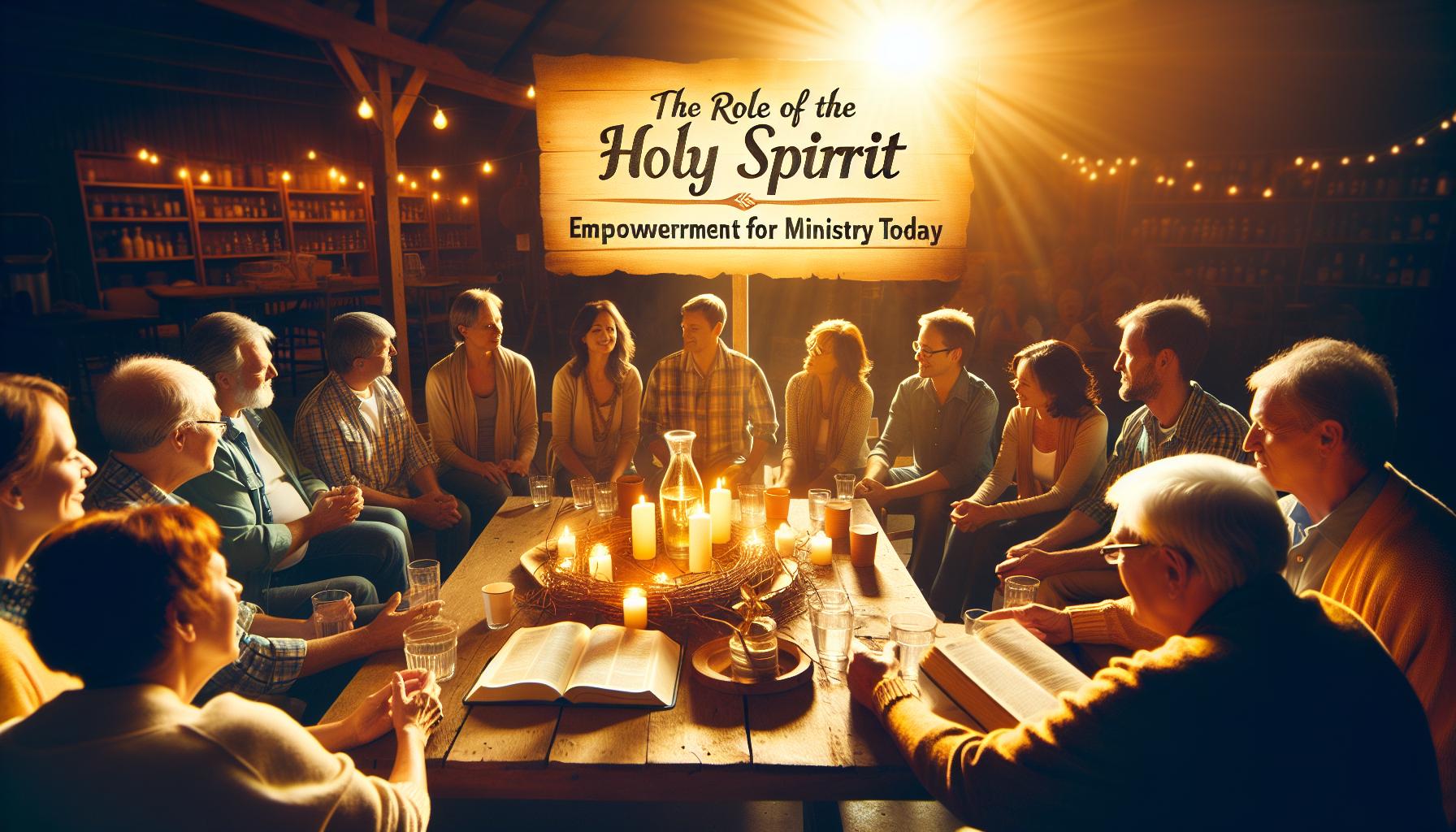
The Role of the Holy Spirit: Empowerment for Ministry Today
The transformative surge that ignited the early church in the Upper Room is a powerful testament to the Holy Spirit’s role as not just a historical phenomenon but a present reality for ministry today. In a time of uncertainty and societal upheaval,the same Spirit that filled the apostles and early Christians remains a source of empowerment for believers in contemporary ministry contexts.
The Empowerment of the Holy Spirit in Modern Ministry
The Upper Room experience, marked by the inflow of the Holy Spirit, serves as a pivotal moment that underlines the importance of divine empowerment for ministry. This empowerment is not merely a relic of the past but is vitally relevant for today’s church leaders and congregations. Through the Holy Spirit,individuals are equipped to engage in ministry that is dynamic,effective,and rooted in love and truth.
Key aspects of the Holy Spirit’s empowerment today include:
- Boldness in Proclamation: Just as the apostles gained courage to preach after receiving the Holy Spirit, modern believers can experience similar boldness in sharing their faith.
- Guidance in Decision-Making: The Spirit provides wisdom and clarity, helping church leaders make sound decisions that align with God’s will.
- Authentic Community Building: The Holy Spirit fosters unity, helping congregations to cultivate deep, transformative relationships.
- Gifts for Service: Each believer is endowed with spiritual gifts, enabling them to serve the church and the wider community effectively.
Real-World Examples of Spirit-Empowered Ministry
Many contemporary ministries exemplify how reliance on the Holy Spirit can lead to impactful work. As a notable example, urban missions frequently enough face daunting challenges, from poverty to social injustice. Churches that emphasize Spirit-led action—through prayer,community outreach,and service—have successfully transformed neighborhoods. They provide holistic care that meets both spiritual and physical needs.
Consider the ministry of a local food bank operated by a church; through prayer and community involvement, the volunteers not only distribute food but also build relationships, share the Gospel, and create a support network for those in need. This holistic approach demonstrates the Holy Spirit’s active role in guiding practical ministry, revealing how the early church’s essence can be lived out in today’s contexts.
| Ministry Type | Holy Spirit Role | Impact Example |
|---|---|---|
| Urban Missions | Empowers through community presence | Reduction in local crime and increased community outreach. |
| Prayer Ministries | Guides through intercession | Revival services bringing diverse communities together. |
| Discipleship Programs | Equips members for service | Activating volunteers for local and global missions. |
By recognizing and embracing the Holy Spirit’s empowerment, church communities can revitalize their ministries, ensuring they reflect the transformative power witnessed in the Upper Room. It is indeed this ongoing reception of the Spirit’s presence that empowers believers to respond to today’s challenges with hope,love,and unwavering faith.
Lessons in Leadership: Insights from the Upper Room Gatherings
The gathering in the Upper Room represents a pivotal moment not just in Christian history, but also in the evolution of effective leadership.The disciples, filled with uncertainty yet enlivened by a shared purpose, showcased various traits that leaders of today can emulate. These traits, rooted in their collective experience and divine guidance, serve as timeless lessons applicable across different contexts, including ministry, business, and community organization.
Key Leadership Traits from the Upper room Gatherings
In examining those moments in the Upper Room, several key leadership traits stand out:
- Unity of Purpose: The disciples were united in their mission—to spread the teachings of Jesus. Effective leaders today must foster a shared vision that aligns their team toward common goals.
- Empowerment through Trust: Jesus imparted significant authority to His followers, demonstrating the importance of empowering team members. Leaders should delegate responsibilities and trust their teams,enhancing both morale and productivity.
- Emotional Resilience: Faced with fear and uncertainty after Jesus’ crucifixion, the disciples found strength in one another. Modern leaders should cultivate emotional resilience and support systems that help teams navigate challenges.
- Openness to New Direction: The Upper Room experience culminated in the outpouring of the Holy Spirit, which directed the disciples in new ways. Leaders must remain adaptable, open to changes that could lead to unforeseen opportunities.
Applying These Insights in Today’s Ministry
The principles gleaned from the Upper Room can bridge the gap between faith and effective ministry practice. As a notable example, churches can adopt the following actionable steps:
| Action Step | Description |
|---|---|
| Foster Community Engagement | Create initiatives that involve church members in local service projects, encouraging teamwork and a sense of shared mission. |
| Encourage Open Dialog | Implement regular meetings where congregants can voice concerns and ideas,reflecting the disciples’ trust in one another. |
| Support Leadership Advancement | Invest in training programs that nurture future leaders, mirroring Jesus’ approach to equipping His disciples. |
the Upper Room gatherings provide a rich tapestry of lessons that continue to resonate in contemporary contexts.Leaders who embrace these insights can create environments that not only promote growth and unity but also position their communities for impactful, purposeful ministry. By fostering an atmosphere of trust, resilience, and adaptability, modern ministries can thrive, reflecting the spirit of the early church while addressing the needs of today’s world.
The Power of Community: Strengthening Bonds in Ministry
The gathering of believers in the Upper Room stands as a powerful testament to the impact of community in ministry. In a world that frequently enough fosters isolation, the formation of bonds within a spiritual community can transform lives, energize missions, and deepen faith. The diverse group that assembled in this sacred space, filled with the Holy Spirit after the resurrection, serves as a reminder of the strength found in unity and purpose.
Fostering Deep Connections
In ministry, the ability to connect with others creates a foundation for effective outreach and support. Here’s how the essence of community can be harnessed to create lasting relationships:
- Shared Experiences: Engaging in mission trips, service projects, or prayer groups can foster camaraderie. These shared moments can ignite passion and create bonds that extend beyond the church walls.
- Support Systems: Building a community means establishing networks where individuals can offer emotional, spiritual, and practical support to one another. This could include mentoring programs or small groups focusing on specific life challenges.
- Inclusive Spiritual Growth: Encouraging discussions around faith questions and different interpretations helps members feel valued. This inclusivity can enhance everyone’s spiritual journey, leading to a more vibrant ministry.
Real-World Applications
Looking beyond theory,numerous ministries today effectively embody the significance of community as demonstrated in the upper Room. As a notable example, churches that implement neighborhood outreach programs not only serve their local populations but also deepen the sense of belonging among their congregants.
| Program | Description | Impact on Community |
|---|---|---|
| Support Groups | Weekly gatherings that address mental health, addiction, or parenting | Provides sanctuary for individuals, fostering healing and connection |
| Volunteer Days | Groups from the church volunteering at local shelters or food banks | Strengthens community ties and serves those in need |
| Faith Workshops | Facilitated discussions on various theological perspectives | Encourages open dialogue and helps members grow in understanding |
the teachings and experiences from the Upper Room invite today’s ministries to recognize the importance of belonging and mutual encouragement. By embracing the powerful bonds formed through shared faith and service, ministries can become buoyant communities that uplift individuals and empower them to make a significant impact in the world around them.
Prayer and Purpose: The Upper Room’s Call to Action
the collective spirit of prayer can transform a community, igniting purpose and direction. In the context of the Upper Room, this sacred space served as a pivotal gathering place where disciples sought guidance before embarking on their mission. Their experience provides a profound illustration of how prayer not only connects individuals to a higher purpose but also collectively empowers them to act.
Understanding the Call to Action
ministry today resonates with the same energy seen in the Upper Room when believers come together in prayer. This sacred practice should not be underestimated; it finds profound significance in shaping the direction of contemporary faith movements. The essence of the Upper Room can inspire congregations to embrace a similar stance of readiness and action. Here are ways to transform that sense of purpose into practical ministry:
- Intentional Prayer Groups: establish small prayer circles within your church. This replicates the intimate setting of the Upper Room, where focused prayer led to bold actions.
- Community Service Initiatives: Organize activities that serve the needs of your local community,demonstrating the love and compassion at the heart of ministry.
- Leadership Retreats: Encourage church leaders to spend time in prayerful reflection,reminiscent of the gathering of disciples,to reconvene with renewed vision and energy.
- Prayer Focus Themes: Implement monthly themes for churches to focus their prayers on specific community needs, issues, or missions, encouraging collective involvement.
The Power of Unity in Prayer
The Upper Room was not merely a physical location; it epitomized unity and shared purpose. When individuals come together, their prayers often echo and amplify, leading to significant outcomes. A powerful illustration of this can be seen in modern movements like the Global day of Prayer, where millions unite in prayer for interconnected issues across nations.
| aspect | Upper Room Example | Modern Application |
|---|---|---|
| Gathering | Disciples united | Church prayer meetings |
| Purpose | Preparation for ministry | Guidance for community service |
| Outcome | Pentecost events | Transformation in local lives |
In cultivating a vibrant ministry today, the lessons from who was in the Upper Room and its significance serve as a clarion call to church leaders and members alike. To harness the transformative power of shared prayer is to commit to a purpose-driven approach to ministry that honors this profound legacy. It’s both a call to be proactive and a reminder of the strength found in unity—an prospect ripe for action within our modern contexts.
Applying Upper Room Principles: Fostering Spiritual Growth in Our Lives
The gathering of a diverse group of individuals in the Upper Room stands as a powerful testament to the strength of community and shared faith. this biblical narrative not only chronicles a pivotal moment in history but also lays a foundational blueprint for fostering spiritual growth in our contemporary lives. Engaging with the principles derived from the Upper Room experience can illuminate paths towards deeper connections with ourselves, each other, and the divine.
Embracing Community in Spiritual Growth
At the heart of the Upper room story is the vibrant community that came together, united by a common purpose and mission. In today’s world, fostering authentic relationships among members of faith communities can be transformative. here are a few ways to integrate the essence of the Upper Room into everyday ministry:
- Intentional Gatherings: Plan regular meetings that encourage open dialogue, sharing, and prayer. This could be through small groups, Bible studies, or fellowship events.
- Encouraging diversity: Cultivate spaces that welcome people from various backgrounds and experiences, reflecting the inclusive nature of the Upper Room group.
- Fostering Accountability: Create a system where individuals can support one another in their spiritual journeys, holding each other accountable in faith practices.
Creating Opportunities for Transformation
The Upper Room symbolizes not only the gathering but also the outpouring of the Holy Spirit and the transformative experiences of those present. In our ministry,we can replicate this by creating environments where personal and spiritual transformation can flourish. Here’s how to proceed:
- Workshops and Retreats: Organize events that focus on spiritual formation practices such as prayer,meditation,and scripture study.
- Service Opportunities: Engage your community in service projects that reflect the teachings of Christ, allowing individuals to practice their faith in actionable ways.
- Mentorship Programs: Pair seasoned believers with new members to guide them through their spiritual journey, creating a rich culture of learning and growth.
Implementing Spiritual Disciplines
The participants of the Upper Room exemplified dedication to prayer and discernment. Integrating spiritual disciplines into our daily lives can foster personal growth and help us to stay centered in our faith. Consider adopting the following practices:
| Spiritual Discipline | Application |
|---|---|
| Prayer | Establish a daily prayer routine, incorporating both individual and collective prayer times. |
| Scripture Reading | Dedicate time daily to reading and reflecting on the Bible,perhaps through structured study plans. |
| Fasting | Engage in regular fasting as a means of spiritual discipline, using it to draw closer to God. |
| Acts of Service | Intentionally seek out ways to serve others both within and outside the faith community. |
by thoughtfully applying these Upper Room principles to our ministry today, we can cultivate an atmosphere rich in spiritual growth, fostering connections that not only deepen our faith but also empower us to serve others in meaningful ways, echoing the impact of that sacred gathering from the past.
The Great Commission: How the Upper Room Shapes Our Mission Today
The Transformative Power of the Upper Room
in the heart of early Christianity, the Upper Room stood as a symbol of empowerment and unity. This sacred space was the backdrop for pivotal moments, including the Last Supper and the outpouring of the Holy Spirit at Pentecost. The gatherings that took place here not only shaped the foundation of the church but also ignite a sense of mission that resonates profoundly today. The significance of these events expands beyond history; they offer a blueprint for modern ministry and the fulfillment of the Great Commission that Jesus entrusted to His followers.
The Great commission, articulated in Matthew 28:18-20, calls every believer to “go and make disciples of all nations.” This directive was birthed in an surroundings steeped in prayer and communal conviction. As we reflect on the Upper Room and its significance for ministry today, we recognize that effective discipleship is rooted in three key principles:
- Prayer: The early believers gathered constantly in prayer. Effective ministry today begins with recognizing the power of intercession,seeking God’s guidance,and inviting His presence into every aspect of our mission.
- Community: The Upper Room was a place of unity among diverse followers of Christ. modern ministry thrives when we foster relationships built on love and support,encouraging one another as we pursue collective goals.
- Empowerment: The outpouring of the Holy Spirit transformed fearful disciples into bold witnesses. Today, empowering church members with spiritual gifts can lead to dynamic outreach and impactful ministries.
Taking Action: Living Out the great Commission
To effectively live out the essence of the great Commission and harness the lessons learned from the Upper Room, congregations must embrace actionable steps that can breathe new life into their ministries. Consider implementing the following strategies:
| Strategy | Action Steps | Expected Outcome |
|---|---|---|
| Prayer Initiatives | Establish regular prayer meetings focusing on specific missions and community outreach. | strengthened spiritual focus and collective unity. |
| Small Groups | Create small groups emphasizing discipleship and mentorship among church members. | Deepened relationships and active participation in ministry. |
| Training Programs | Develop training for spiritual gifts identification and community service. | Increased effectiveness in ministry outreach and personal growth. |
As churches reflect on the upper Room’s rich history and impactful lessons, they are called to envision their role in fulfilling the Great Commission today. By prioritizing prayer,fostering community,and empowering believers,they can nurture a mission that echoes the fervor of those early disciples and actively transforms lives for Christ.
Frequently asked questions
Frequently Asked Questions about Who Was in the Upper Room and Its significance for Ministry Today
Who was in the Upper Room?
The Upper Room was home to Jesus and His disciples during the Last Supper, and it later became a place for prayer and the outpouring of the Holy Spirit at Pentecost. Key figures included Peter, John, and other apostles, each playing a vital role in early Christianity.
this gathering was significant as it represented the transition from Jesus’ ministry on earth to the empowerment of the church. The disciples experienced profound moments of teaching, fellowship, and spiritual awakening, laying the groundwork for Christian ministry today.
What is the significance of the Upper Room for ministry today?
The Upper Room symbolizes unity, prayer, and the empowerment of believers. it reminds modern ministry of the importance of communal worship and being led by the Holy Spirit.
Today’s ministries can learn from the challenges and joys the early church faced within that sacred space. By emphasizing community and prayer, contemporary workers can create environments where individuals encounter God profoundly, just as the disciples did.
Why does the Upper Room matter for Christian leadership?
The Upper Room matters because it exemplifies foundational principles of Christian leadership: prayer, unity, and empowerment by the Holy Spirit. Leaders today can draw inspiration from this pivotal moment.
As leaders foster environments of prayer and collaboration, they can guide their congregations toward spiritual growth and a greater sense of community. The events in the Upper Room emphasize that effective ministry stems from deep connection with God and each other.
Can I draw parallels between the Upper Room and modern church gatherings?
Yes, there are strong parallels between the Upper Room and modern church gatherings. Both emphasize the need for community, worship, and the presence of the Holy Spirit in guiding believers.
Church gatherings can intentional focus on creating spaces for deep connection, prayer, and worship that reflect the transformative experience the disciples had in the Upper Room.By doing so, congregations encourage a sense of belonging and purpose.
How does the experience in the Upper Room relate to personal spiritual growth?
The experience in the Upper Room is pivotal for personal spiritual growth as it showcases the transformative power of the Holy Spirit in the lives of believers.This demonstrates that personal encounters with God often occur in community.
Modern believers can seek similar transformative moments in their lives through prayer, seeking scripture, and participating in community worship. By emulating the disciples’ commitment, individuals can deepen their relationship with God and others.
what should contemporary ministries learn from the Upper Room events?
Contemporary ministries can learn the importance of prayer, unity, and reliance on the Holy Spirit from the events in the Upper Room. These elements are crucial for effective ministry.
By adopting similar practices of communal prayer and fostering supportive environments, ministries can cultivate spiritual growth within their congregations. The legacy of the Upper Room teaches that transformation happens when believers come together in faith.
How can the story of the Upper Room inspire outreach efforts?
The story of the Upper Room inspires outreach efforts by showcasing the impact of community on spiritual transformation. As the early disciples were empowered to reach others,modern ministries can draw from this courage.
By focusing on communal action and sharing experiences of God’s love, outreach initiatives can authentically engage others, much like the disciples after their time in the Upper Room.This emphasizes that outreach is a collective mission fueled by unity in Christ.
In Conclusion
the Upper Room serves as a powerful symbol of community, faith, and transformation.It was not just a physical space but a gathering of diverse individuals united by their shared experience and devotion to Jesus. this pivotal moment continues to resonate within contemporary ministry, reminding us of the importance of fellowship, prayer, and the Holy Spirit’s work in our lives.As we reflect on the significance of the Upper Room, let us draw inspiration from the early disciples who waited in expectation for God’s guidance. their experience invites us to engage in deepening our connections with one another and to seek the Spirit’s presence in our own ministry efforts today.
We encourage you to explore more about the rich history and theological implications of the Upper Room, and how you can foster a similar spirit of unity and empowerment in your community. Embrace the call to build relationships that uphold and support each other in faith, knowing that the essence of the Upper Room lives on through our gatherings and shared experiences.