Are you feeling called to serve others through healing but unsure where to begin? establishing a healing ministry can be a transformative journey, grounded in Biblical principles that offer spiritual guidance and practical insights. This article will explore essential steps and foundational scripture to help you create a successful and impactful ministry.
Discovering Your Calling: Understanding the Heart of Healing Ministry

Finding Your Purpose in Healing
The journey into the healing ministry is one marked by deep introspection and divine guidance. Understanding your calling is crucial,as it sets the foundation for your effectiveness and authenticity in this sacred work. Many who embark on this path discover not just a vocation but a profound alignment with their spiritual gifts, driven by a desire to serve others. Healing ministry is more than just addressing physical ailments; it encompasses emotional,spiritual,and relational restoration,making it essential to grasp the heart of your mission.
To truly connect with your calling, consider these steps:
- Self-Reflection: Spend time in prayer and meditation, seeking clarity about how you can contribute uniquely to the healing community.
- Education and training: Engage in biblical studies and attend workshops focused on healing practices, learning both the foundational scriptures and current methodologies.
- Community Involvement: Get involved with local ministries or support groups to gain hands-on experience and insights into the needs of those seeking healing.
- Mentorship: Connect with seasoned leaders in the healing ministry to gain wisdom, guidance, and encouragement.
Core Principles of Healing Ministry
A solid foundation for a healing ministry can be drawn from key biblical principles that not only enrich one’s understanding but also guide practical actions. Here’s a concise table outlining some foundational scriptures that can inspire your ministry:
| Scripture | Description |
|---|---|
| James 5:14-15 | Instructions on anointing the sick and praying for their healing, highlighting the power of communal faith. |
| Isaiah 53:5 | Affirms belief in the healing power provided through Christ, serving as a foundational promise for healing ministries. |
| Mark 16:17-18 | Encourages believers to actively engage in healing and prayer as signs of their faith. |
These scriptures are testament to the fact that healing isn’t merely a physical endeavor—itS deeply rooted in faith and the community’s shared belief in divine intervention. By internalizing these principles, you not only equip yourself with the spiritual truths necessary for effective ministry but also build a compassionate approach that resonates with those you serve.
In this transformative process of discovering your calling within the realm of healing, continually seek to understand the needs of your community and position yourself as a vessel for healing love—a mission that is both sacred and urgent in a world longing for restoration.
Building a Biblical Foundation: Key Scriptures to Guide Your Journey
Scriptural Foundations for Healing Ministry
Building a healing ministry grounded in biblical teachings begins with understanding key scriptures that illuminate God’s design for healing. The Bible presents a holistic view of healing, encompassing physical, emotional, and spiritual dimensions.One such foundational verse is James 5:14-15, which instructs believers to call upon church elders for prayer and anointing with oil, emphasizing the communal and spiritual aspects of healing. This scripture underscores the importance of faith and community support in the healing process, acting as a guide for those embarking on this ministry journey.
another critical passage is Isaiah 53:5,which proclaims that through Christ’s sufferings,we are healed. This verse not only reveals the heart of God in His desire for our wholeness but also provides a theological basis for healing within your ministry. Integrating this scripture into your practice affirms the belief that healing is a divine promise, offering hope and assurance to those you serve.
To reinforce these principles,consider these actionable steps as you develop your healing ministry:
- Pray Daily: Make prayer an integral part of your life,seeking guidance and strength from the Holy Spirit.
- Study Healing Scriptures: Regularly meditate on key verses to deepen your understanding and faith in God’s healing power.
- Foster Community: Build a supportive network of believers who can assist and pray together,just as mentioned in James.
- Provide Resources: Share materials that educate your community on biblical healing, including teachings, testimonials, and practical guides.
In outlining these strategies, you develop a framework not only for your ministry but also for the individuals it will serve. As you explore “How to Start A Healing Ministry: biblical Foundations for Success,” remember the power of scripture to uplift and guide you through challenges, ensuring your approach aligns with biblical principles and the heart of God for healing.
Developing Compassion and Empathy in Your Ministry approach

Cultivating a heart of compassion and empathy is vital in any ministry, especially one focused on healing. such qualities not only enhance your interpersonal relationships but also foster an environment conducive to physical, emotional, and spiritual restoration. The Bible often emphasizes the importance of caring for others, as illustrated in the parable of the Good Samaritan (Luke 10:25-37), which directly informs how to create a healing ministry grounded in love and understanding.
Embodying Compassion in Your Ministry
To effectively embody compassion in your ministry, consider implementing the following practical steps:
- Active Listening: Engage with individuals seeking healing by being fully present.Listen to their stories, pains, and hopes without rushing to provide solutions. This practice establishes trust and shows genuine interest in their well-being.
- Personal Connection: Share your own experiences of struggle and healing.Relatability can break down barriers and create a safe space where individuals feel seen and understood.
- Prayer and Support Groups: Create opportunities for communal prayer and discussions. sharing burdens and praying together allows individuals to feel supported and nurtures a sense of belonging.
Building Empathy Through Action
Empathy goes beyond sympathy; it involves feeling with others and taking actionable steps to alleviate their burdens. Here are ways to cultivate empathy in your healing ministry:
- Volunteer Efforts: Engage your ministry in local community service projects. This could include hospital visits,food drives,or support for mental health initiatives. Direct involvement with those in need broadens your understanding of their struggles.
- training and Workshops: Invest time in training sessions that focus on emotional intelligence and relational dynamics. Equip your ministry team with skills to navigate arduous conversations and provide compassionate care.
- Feedback Mechanism: Establish a channel for receiving feedback from those you serve. Understanding their experiences will help you improve and refine your compassionate approach continually.
Examples of Compassionate Ministry in Action
A successful healing ministry acts as a model of compassion and empathy. Consider this exmaple:
| Action | outcome |
|---|---|
| Monthly Community Healing Events | Created a safe atmosphere for sharing testimonies and experiencing collective prayer, resulting in higher levels of trust and openness among participants. |
| Support for Mental Health Resources | Partnered with local counseling services to provide workshops on emotional healing, yielding increased awareness and accessibility to vital mental health support. |
By integrating compassion and empathy into your ministry approach,you not only fulfill the calling of serving others but also pave the way for a transformative healing environment. Remember, the journey to healing is frequently enough filled with bumps, but your genuine care can make a substantial difference in the lives of those you serve.
Practical Steps for Establishing a Healing Ministry in Your Community
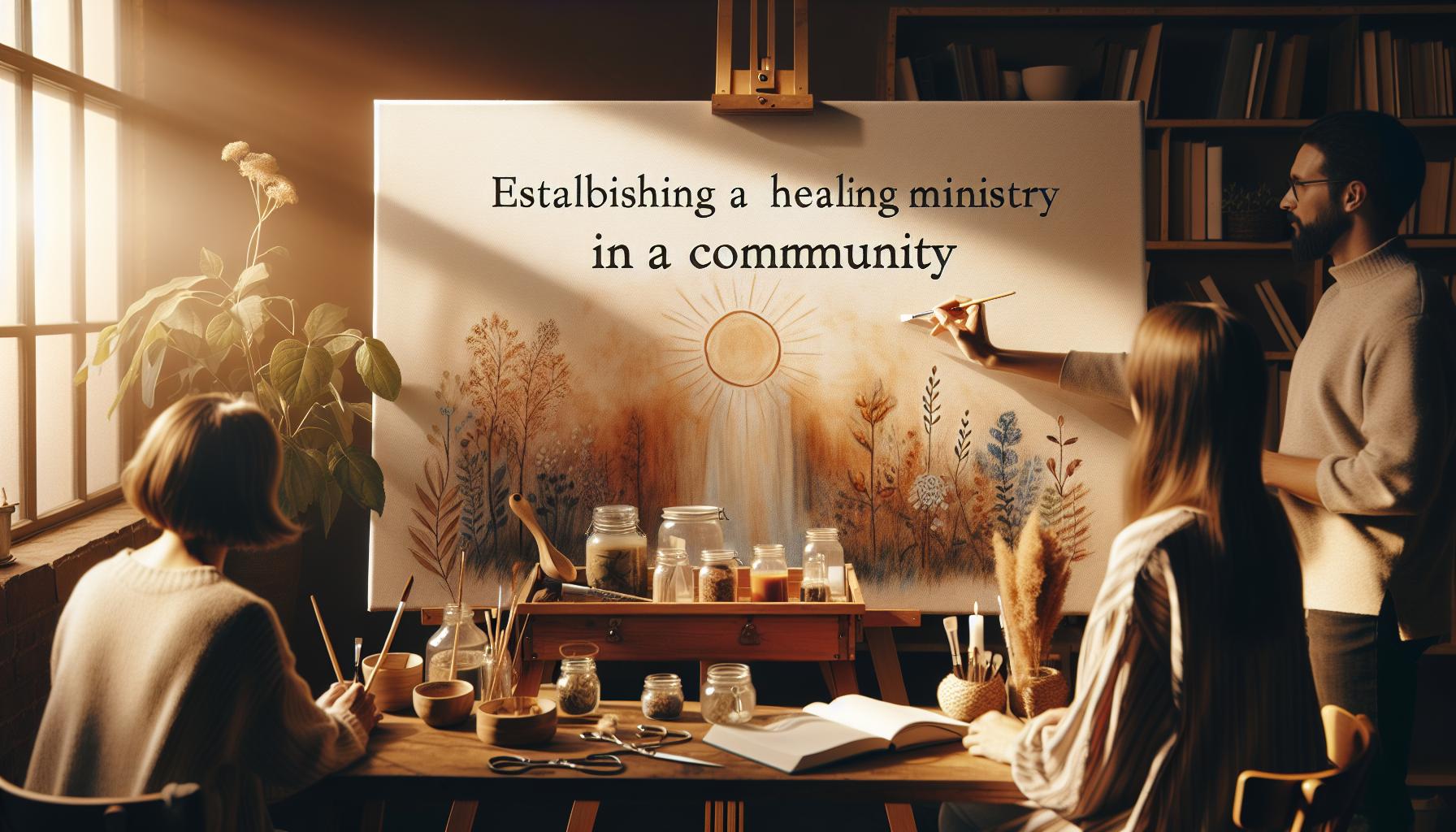
Did you know that healing ministries have existed for centuries, drawing inspiration from biblical teachings and the example set by Jesus? Establishing a healing ministry in your community can be a deeply fulfilling venture, providing hope and restoration to those in need. Here are practical steps to guide you in this journey effectively.
Identify Your purpose and Vision
Before you embark on this mission, it’s crucial to define the purpose and vision of your healing ministry. Consider the following questions:
- What specific needs do you see in your community?
- What kind of healing do you want to focus on? (physical, emotional, spiritual)
- How will your ministry align with biblical teachings?
Onc you have clarity on your mission, write it down and share it with potential team members and supporters to foster a unified vision.
Build a Core Team
A successful healing ministry relies on a committed and diverse team. Look for individuals who share your passion and have various skills to contribute. Consider forming a team with:
- Pastoral staff for spiritual guidance
- Medical professionals for health-related discussions
- Counselors or therapists for emotional support
- Volunteers for administrative tasks and outreach
Example: Many churches in the community have seen success by partnering with local health care providers, allowing them to offer free health screenings as part of their healing services.
Develop a Program Structure
Establishing a structured program is vital for serving your community effectively. Consider the following elements to incorporate:
| Program Element | Description |
|---|---|
| Prayer Meetings | Regularly scheduled gatherings for communal prayer, healing, and worship. |
| Workshops & Seminars | Educational sessions on topics related to physical and emotional well-being. |
| Counseling Services | One-on-one or group counseling sessions aimed at addressing emotional trauma. |
| Outreach Programs | Initiatives to connect with those outside the church, providing healing resources to the wider community. |
Each component should be anchored in biblical principles, ensuring your ministry remains faithful to its core mission as detailed in the article ‘How To Start A Healing Ministry: biblical Foundations for Success.’
Engage with the Community
Building strong relationships with the community is essential for the growth and effectiveness of your healing ministry. Consider these strategies:
- Collaborate with local organizations and churches to reach underserved populations.
- host community events centered around health and wellness that invite people in.
- Utilize social media channels to share testimonials and announce services.
Inviting guest speakers or hosting community forums on healing topics can also help raise awareness and draw participation.
By following these actionable steps, you can lay a solid foundation for a healing ministry that thrives on biblical principles and meets the immediate needs of your community.
Training and Equipping: Resources for Effective Ministry Leadership
Starting a healing ministry requires more than just passion; it demands effective training and the right resources to equip you for success. Consider this: successful leaders are often those who have invested time in enhancing their skills and deepening their understanding of biblical principles related to healing. by immersing yourself in the right educational materials and resource networks, you can lay a solid foundation for your ministry.
Essential Training Programs
To lead a healing ministry effectively, you should seek out thorough training programs that focus on both spiritual and practical aspects of healing. Here are some recommended types of training:
- Biblical Studies: Courses that dive deep into scripture, emphasizing the teachings of Jesus on healing and prayer.
- Healing Ministry Workshops: Hands-on sessions that provide tools and techniques for prayer and ministry.
- Leadership Development: Programs focusing on organizational leadership skills specific to church and ministry structures.
- Mental Health and Counseling Training: Understanding the emotional aspects of healing, crucial for holistic ministry.
Online resources and Courses
The digital age has made it easier than ever to access valuable resources that provide insight and knowledge on healing ministries. here are some platforms worth exploring:
- Online bible Colleges: Many reputable institutions offer flexible online courses on healing and ministry that fit different schedules.
- Webinars and Virtual Conferences: Regularly scheduled events allow for interaction with established leaders in the healing ministry field.
- Church Networks and Associations: Joining these organizations can offer you resources, mentorship, and community support that are vital for a successful ministry.
Community Engagement and support
Equipping yourself also involves building a support system within your community. Connecting with like-minded individuals provides invaluable insights and encouragement as you navigate the challenges of starting a healing ministry. Resources such as:
| Resource | Description |
|---|---|
| Local Healing Prayer Groups | Connect with others for prayer and support, sharing experiences and best practices. |
| Mentorship Programs | Pairing with experienced ministry leaders can provide direct guidance and accountability. |
| Social Media Communities | Engaging in online groups focused on healing ministries can foster collaboration and learning. |
By prioritizing training and utilizing available resources, you can position yourself well on your journey toward establishing a successful healing ministry.each step taken not only reinforces your understanding but also enhances your capability to serve others in meaningful ways, fulfilling the biblical mandate to heal and care for those in need.
Creating a Supportive Environment: Fostering Trust and Openness
creating a genuine atmosphere of trust and openness is fundamental when establishing a healing ministry. Trust acts as the bedrock of any community, paving the way for honest interactions and the sharing of personal experiences. When individuals feel secure in their environment, they are more likely to engage deeply in the healing process, both physically and spiritually.
Building Trust: Key Strategies
To foster this necessary connection,consider the following approaches:
- Open Interaction: Ensure that communication channels are always open.Encourage participants to voice their thoughts, concerns, and experiences without fear of judgment.
- Act with Integrity: Lead by example. Your actions should consistently reflect your words, building a reputation of honesty and reliability.
- Confidentiality Matters: Establish a clear policy regarding confidentiality. Ensure that personal stories and testimonies are shared with respect and discretion.
- Training and Support: Provide training for leaders and volunteers on effective listening and compassionate engagement, reinforcing the value of every participant’s journey.
Encouraging Openness
Openness begins with you as the ministry leader.By sharing your own experiences and vulnerabilities, you can create a safe space where others are encouraged to do the same.Consider setting aside regular times for sharing testimonials or successes. This not only illustrates the power of the ministry but also promotes a sense of belonging among participants.
Also, consider utilizing structured group sessions where individuals can discuss their challenges and victories. By facilitating these discussions, you can definitely help participants realize they are not alone in their struggles. A well-structured session could look like this:
| Session Focus | Activity | Outcome |
|---|---|---|
| Introduction | Group Icebreaker | Build initial rapport among members. |
| Sharing Experience | Personal Testimonies | Foster empathy and connection. |
| Discussion | Guided Group Conversation | Encourage vulnerability and openness. |
| Prayer | Collective Prayer | Create a sense of unity and support. |
In creating such spaces, you lay the groundwork for a thriving healing ministry that resonates with the core biblical foundations for success. Fostering trust and openness isn’t just a strategy; it’s a sacred commitment to nurturing the hearts and souls of those seeking healing and connection.
Navigating Challenges: Overcoming Obstacles in Healing Ministry
Starting a healing ministry can be one of the most rewarding yet challenging journeys one can undertake. Although the biblical foundations are clear,navigating the day-to-day obstacles that arise can often feel overwhelming. From misconceptions about healing to personal doubts, leaders in this ministry must be prepared to face a variety of challenges that can hinder their mission.
Understanding Common Challenges
The first step in overcoming obstacles is recognizing them. Here are some prevalent challenges that many face when initiating a healing ministry:
- Misunderstanding of Healing: Many congregants may have varying interpretations of what healing entails, from physical to emotional and spiritual restoration.
- Fear of Failure: Leaders may struggle with self-doubt,fearing that they are not equipped or worthy to facilitate healing.
- Resistance from the Community: Some members may question the legitimacy of a healing ministry, viewing it as controversial or unnecessary.
- Lack of Knowledge or Training: Without a solid foundation in both biblical teachings and practical implementation, leaders can feel lost.
Strategies for Effective Overcoming
To successfully navigate these hurdles, consider implementing strategic approaches that will bolster your healing ministry’s effectiveness:
- Education: Conduct workshops and Bible studies focused on biblical healing. This fosters a common understanding and dispels misconceptions.
- Building a support Network: Surround yourself with experienced mentors and other ministry leaders to share insights and encouragement.
- Prayer and Reflection: Regular spiritual practices can strengthen resolve and clarity, empowering leaders to overcome self-doubt and external pressures.
- Community Engagement: Invite the congregation to participate in healing services to foster trust and dismantle resistance.
Real-World Example
Consider the journey of a church in Texas that faced initial resistance to launching a healing ministry. By implementing a series of town hall meetings, they educated their congregation about the purpose and biblical foundations for healing. They shared testimonies from other ministries that had seen transformative impacts. Over time, what began as skepticism transformed into enthusiastic participation, demonstrating that clarity and education can substantially mitigate resistance.
Framework for Continuous Enhancement
Building a successful healing ministry is an iterative process. Assessing both successes and areas for improvement regularly can ensure the ministry grows effectively. A simple yet powerful way to track progress might include:
| Assessment Criteria | Initial response | Follow-Up Response | Next Steps |
|---|---|---|---|
| Community Understanding | Low | Medium | Increase educational resources |
| Participant Engagement | Moderate | High | Maintain and deepen involvement |
| Leader Confidence | Struggling | Improved | Continue personal development |
By establishing a clear strategy and maintaining a focus on biblical foundations for success, leaders can navigate through the challenges of starting a healing ministry, fostering a community that thrives on faith and mutual support.
Celebrating Transformation: Sharing Testimonies and Building Faith
Testimonies as a Tool for Building Faith
The power of testimonies in a healing ministry cannot be overstated. They serve as living proof of God’s intervention and grace, igniting hope and faith in individuals who might potentially be struggling with their own afflictions. Each testimony is a unique narrative,a vibrant account that not only celebrates transformation but also encourages others to seek their own healing. In a ministry setting, these stories can foster an environment where faith flourishes, creating a community bound by shared experiences and divine encounters.
- Encouraging Vulnerability: Sharing personal stories helps diminish the fear of vulnerability, revealing our human struggles and the profound ways faith can guide us through them.
- Fostering Community: When individuals share their testimonies, they build connections with others who may be experiencing similar challenges, creating a support network.
- Highlighting God’s Power: Each account serves as a reminder of God’s power and willingness to heal, strengthening the belief that miracles can happen.
Strategies for Sharing Testimonies Effectively
To ensure that testimonies resonate and inspire, consider implementing a structured approach when inviting individuals to share their experiences. This can be particularly beneficial in services or gatherings focused on healing.Below are effective strategies:
| strategy | Description |
|---|---|
| Structured Sharing | Encourage participants to focus on specific aspects: the challenge faced, the encounter with healing, and the impact on their life. |
| Video Testimonials | Utilize video recording to capture testimonies, allowing for wider sharing through digital platforms and social media. |
| Group Sharing Sessions | Create small group environments for sharing, providing a comfortable setting for individuals to open up about their experiences. |
| Written Accounts | Encourage written testimonies that can be compiled and shared in newsletters or church bulletins, reaching a broader audience. |
By formalizing the process of sharing testimonies within your healing ministry, you can enhance the impact of these powerful narratives. Each testimony serves as a catalyst for faith, encouraging others to believe in their healing potential and reinforcing the biblical foundations that underlie the practice of healing. Through shared experiences, participants can witness transformation not just in others, but also within themselves, fostering a cycle of hope and encouragement that can activate one’s own healing journey.
Frequently asked questions
How to start a healing ministry: Biblical foundations for success?
To start a healing ministry, begin by prayerfully seeking God’s guidance and understanding the biblical principles that support healing. Focus on scripture passages that emphasize god’s will to heal and serve others.This foundational work is crucial for success.
It’s essential to research and learn from various healing ministries that align with your faith. Consider organizing prayer groups, attending relevant training sessions, and reading books that explore the healing ministry from a biblical viewpoint. This foundational knowledge will help you serve effectively.
What is a healing ministry?
A healing ministry is a spiritual service focused on bringing physical, emotional, and spiritual healing through prayer and faith in Jesus Christ. It emphasizes service and compassion in line with biblical teachings.
Many churches and organizations operate these ministries, fostering environments where those seeking healing can experience prayer support and community. The ministry seeks to fulfill jesus’s command to lay hands on the sick and pray for their restoration.
Why does a healing ministry matter?
A healing ministry matters as it reflects the compassionate nature of Jesus and serves as a source of hope and healing for individuals and communities. It embodies the message of the Gospel and demonstrates God’s love.
Through a healing ministry, many find not only physical healing but also emotional and spiritual restoration. The healing journey frequently enough builds community and provides support, which is essential for anyone experiencing struggles in life.
Can I start a healing ministry in my church?
Yes,you can start a healing ministry in your church by seeking the approval and support of your church leadership. Begin with prayer and thoughtful planning to align the ministry with your church’s mission.
Gather like-minded individuals who also feel called to serve in this capacity.Engage in training programs and work together to develop a structured approach to healing, utilizing biblical principles and community support to guide your initiatives.
What are the biblical foundations for healing?
The biblical foundations for healing are rooted in God’s promises and examples found throughout scripture. Vital texts include James 5:14-15, which emphasizes the importance of prayer and anointing the sick, and Isaiah 53:5, which highlights Jesus’s suffering for our healing.
Understanding these scriptures and their context empowers believers in the healing ministry. Studying the Gospels will also provide examples of healing acts performed by Jesus and His apostles,establishing a precedent for believers to follow.
How to effectively pray for healing?
To effectively pray for healing, approach prayer with faith and confidence in God’s power to heal. utilize scripture in your prayers to remind yourself and those you are praying for of God’s promises concerning healing.
Creating a supportive environment is also essential, as communal prayer can amplify faith and encourage healing. Before praying, listen to the individual’s needs and ask for specific requests, allowing the prayer to be personal and heartfelt.
What types of support are needed for a healing ministry?
A healing ministry requires various types of support, including prayer teams, financial resources, and training programs. Establishing a foundation of prayer is vital, as it underpins all ministry activities.
Additionally, building partnerships with other ministries and organizations can provide resources and guidance. Consider collaborating with local churches and inviting speakers who are experienced in healing ministries to share their knowledge and experiences.
In Summary
starting a healing ministry is a profound journey that intertwines faith, compassion, and the desire to serve others. Rooted in biblical foundations, this endeavor offers a pathway to not only support those in need but also deepen your own spiritual walk. Remember to seek God’s guidance through prayer, immerse yourself in Scripture, and cultivate a heart of empathy and understanding.
As you embark on this mission, it’s crucial to remain open to the challenges and victories that will shape your ministry. Engage with your community, build relationships, and be a vessel of God’s love and healing.
We encourage you to explore further resources, connect with seasoned ministers, and continue learning about the powerful role you can play in bringing hope and restoration to others. Your journey in this healing ministry could be the very spark that transforms lives, including your own. Embrace it with courage and faith!